



A well-planned extension can change how your home works every day: more room for family life, better connection to the garden and far more natural light. But working out how to finance extensions is often more complex than choosing the layout. The build cost is only one part of the picture. Structural work, professional fees, heating, electrics, glazing and finishes all need to be considered before you commit.
The strongest approach is not necessarily the fastest source of funding. It is the option that lets you complete the project to the standard you want, while keeping repayments and contingency manageable. Start with the total project cost, compare funding routes carefully and avoid treating doors, windows and rooflights as a late-stage purchase.
Start with a realistic extension budget
Before applying for finance or speaking to a lender, build a cost plan that covers the complete project rather than an early builder estimate alone. A small rear extension and a large open-plan kitchen extension may both involve new glazing, but their structural requirements, planning position and fit-out costs can be very different.
Your budget should include design and professional fees, surveys, planning or building regulations costs where needed, demolition and groundworks, the main construction, plumbing and electrics, insulation, plastering, decorating, flooring and kitchen or bathroom works. Allow for external landscaping too if the new opening will change the patio, drainage or garden level.
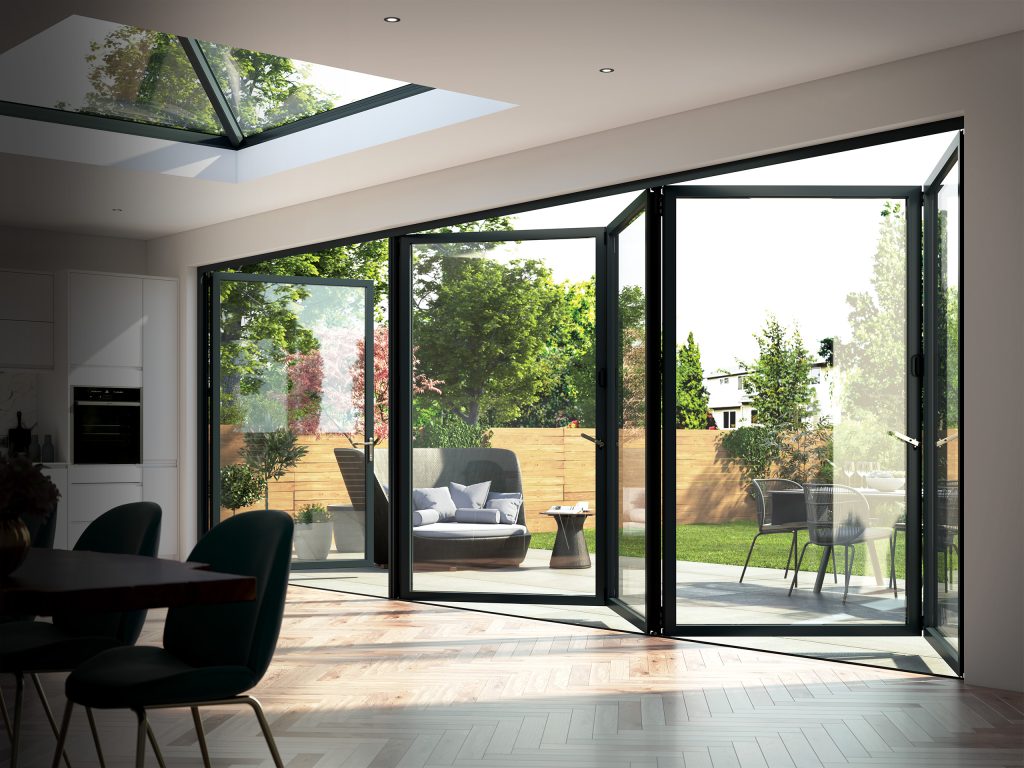
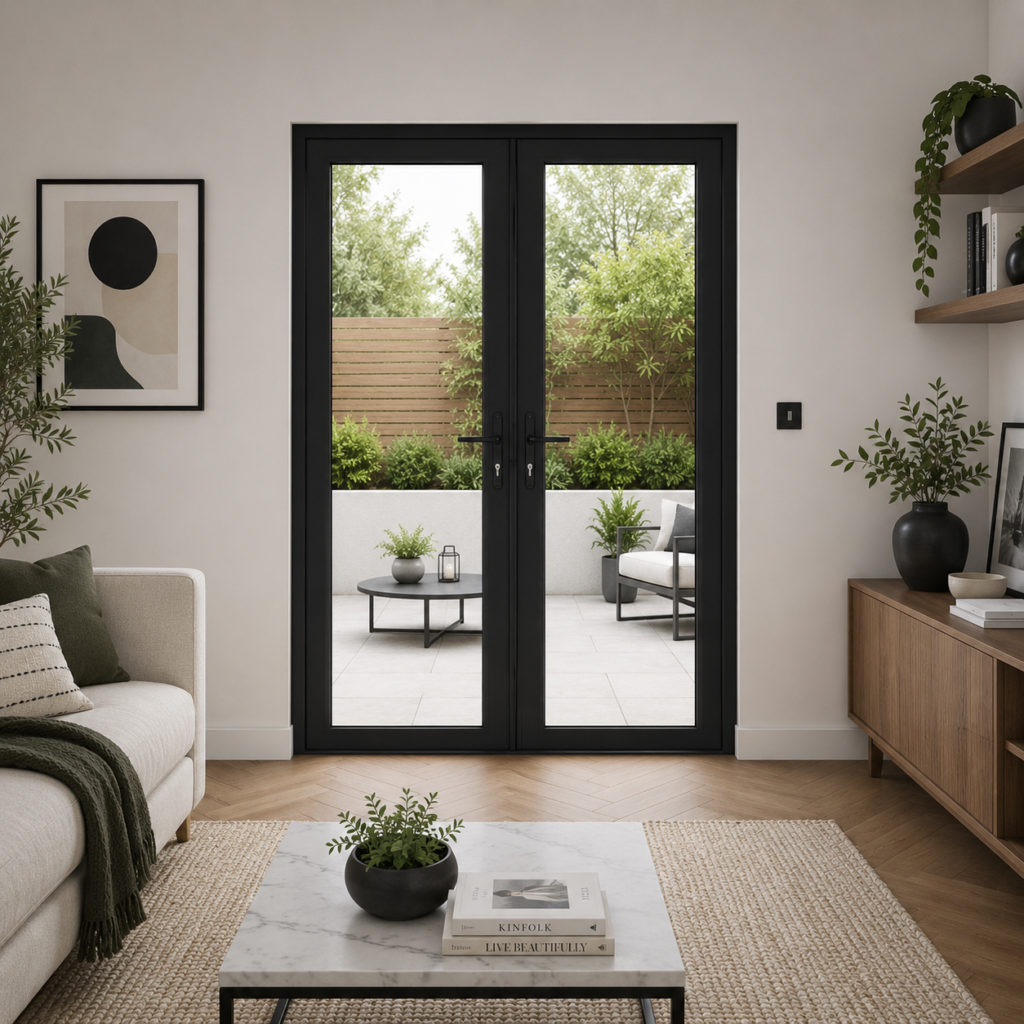
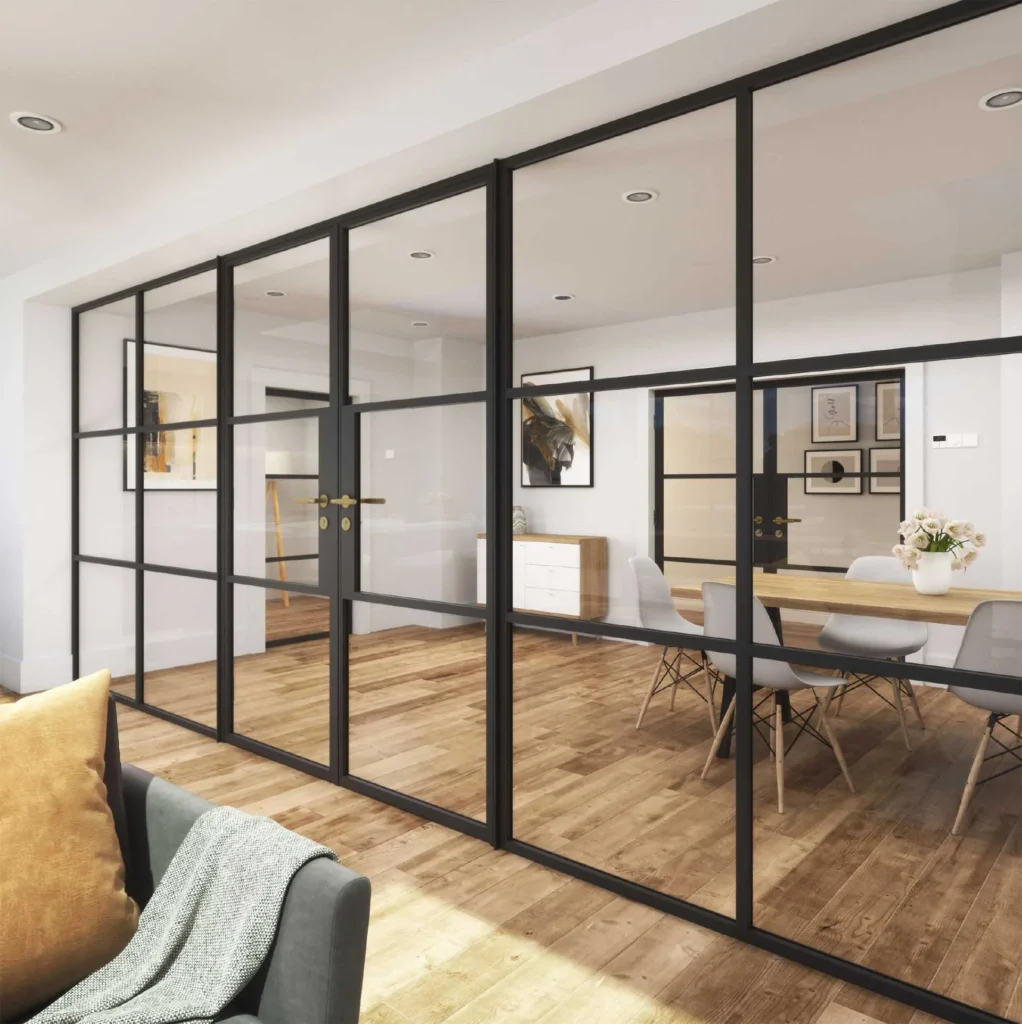
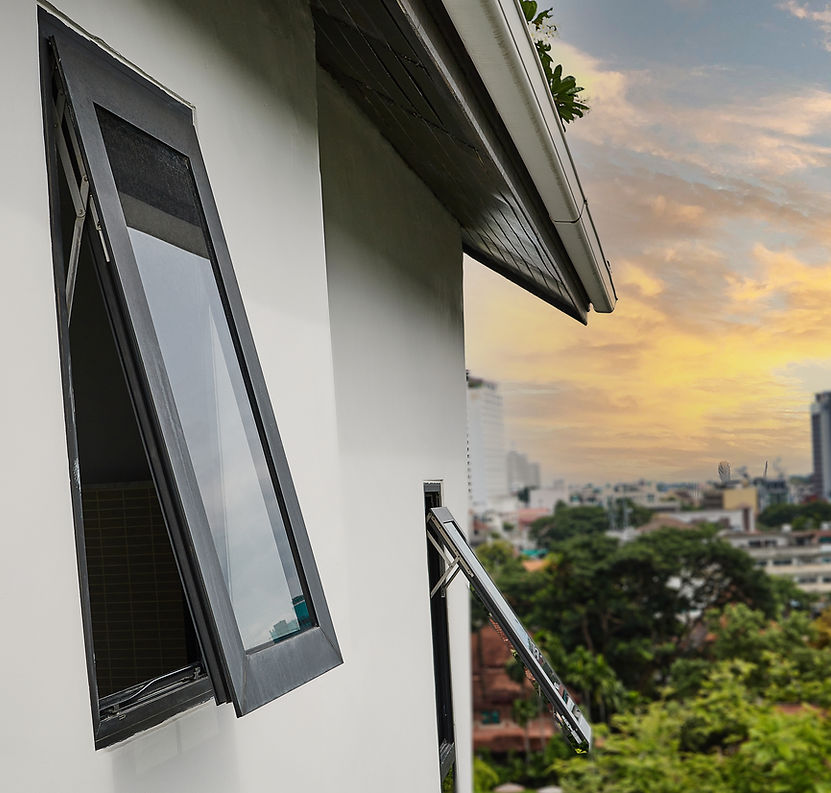
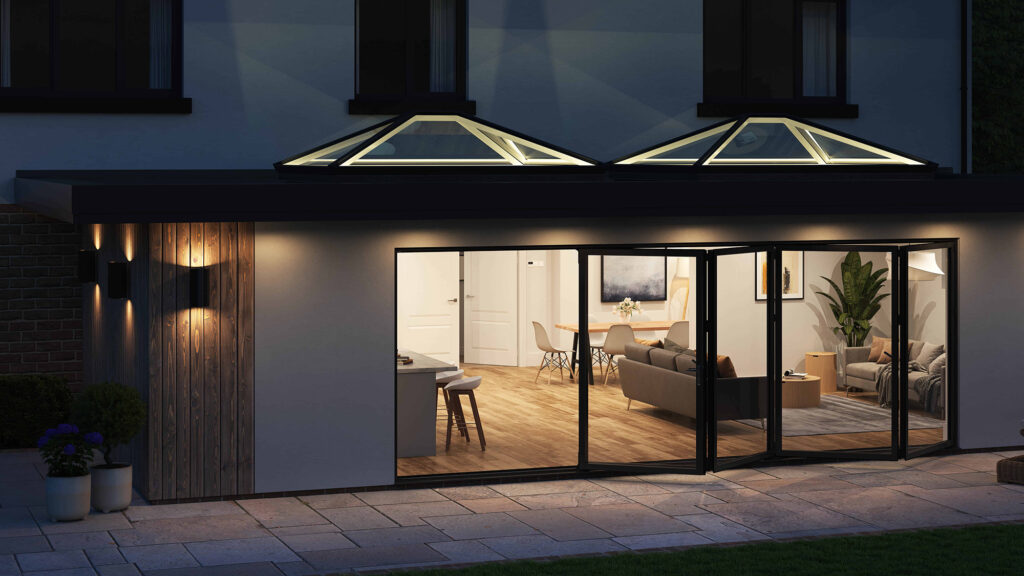
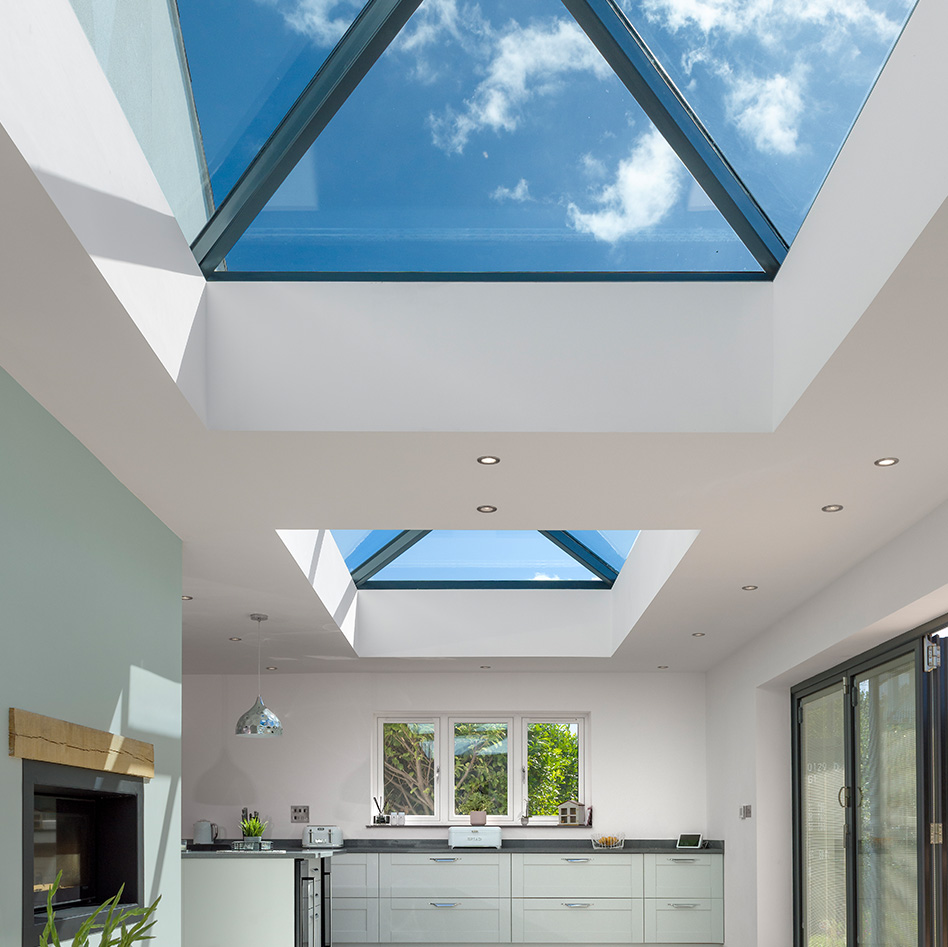
Then include the items that shape the finished space. Bifold doors, sliding doors, windows, roof lanterns and flat rooflights can have a meaningful effect on the budget, particularly when you choose larger sizes, specialist glazing, premium colour finishes or bespoke configurations. These products are long-term parts of the building envelope, so price them on performance and suitability as well as headline cost.
A contingency of around 10 to 15 per cent is sensible for many renovation projects. Older properties, restricted access, uncertain ground conditions and changes to the existing structure can all produce additional costs. If the contingency is needed, it protects the specification you have worked hard to achieve. If it is not, it gives you breathing room at the end of the build.
Separate fixed costs from choices
Some costs are difficult to reduce once work begins. Foundations, steelwork, drainage and compliance work are examples. Other elements have more flexibility, such as decorative finishes or the timing of a new kitchen. Separating these categories helps you see where a funding gap can be managed without compromising the essentials.
High-performance glazing should usually sit closer to the essential side of the budget. The right system supports thermal comfort, daylight and the overall look of the extension for years to come. Choosing the product early also allows your builder and installer to plan openings, structural supports and lead times accurately.
How to finance extensions: compare your main options
There is no single best way to fund an extension. The right route depends on your available savings, property equity, income, timescale and appetite for borrowing. It can also depend on whether you are funding the full build or only specific elements such as windows and doors.
Use savings for certainty and flexibility
Paying from savings avoids interest and monthly repayments, which can make it the most cost-effective option overall. It also gives you greater freedom if your project changes during the build. The downside is reduced financial resilience, especially if you use every available pound on the extension.
Rather than emptying savings completely, many homeowners set a clear amount for the project and retain an emergency reserve. That reserve should be separate from the construction contingency. A boiler failure or unexpected car repair should not force you to pause a build midway through.
Consider remortgaging if you have enough equity
A remortgage can release equity from your property and spread extension costs over a longer period. Monthly payments may be lower than with unsecured borrowing, but the total interest paid can be higher when the debt runs for many years. There may also be arrangement fees, valuation costs and early repayment charges on your existing mortgage.
This option can suit larger extensions where the cost is substantial and the finished project is likely to improve the home’s usability and value. Speak to an independent mortgage adviser before proceeding, and assess affordability if rates rise. Your home may be at risk if you do not keep up with secured borrowing repayments.
Explore a further advance or secured loan carefully
A further advance from your current lender may be simpler than a full remortgage, depending on its rates and criteria. A secured loan is another way to borrow against property equity. Both can offer access to larger sums than unsecured credit, but they come with the same key consideration: the borrowing is secured against your home.
Compare the annual cost, fees, term and repayment flexibility rather than focusing on the monthly figure alone. A lower monthly payment is not automatically better if it means paying considerably more over the full term.
Personal loans can work for defined project costs
An unsecured personal loan is often useful for a smaller extension, a garden room upgrade or a defined stage of work. It can offer fixed repayments and a clear end date, making it easier to budget. Approval and borrowing limits depend on your circumstances, and rates vary with your credit profile.
This route is generally better suited to a cost you can calculate with confidence. If groundworks or structural changes are still uncertain, borrowing exactly the estimated amount may leave little room for surprises. Avoid taking multiple loans simply to cover a project that has grown beyond its original budget.
Use retail finance selectively for products
Buy-now-pay-later or instalment finance can help spread the cost of key products, including glazing, rather than delaying the specification you want. It may be useful when the wider construction work is funded separately and you want to preserve cash flow for labour and unforeseen works.
Check the representative APR, deposit requirement, repayment period, fees and the consequences of missed payments before choosing this route. Some offers may be interest-free for a set period, while others involve interest from the outset. Finance is subject to status and affordability checks, so only proceed when the repayments fit comfortably within your monthly budget.
For homeowners specifying premium doors, windows or rooflights, product finance can make a carefully chosen system more achievable without reducing the wider build budget. Horizon Windows and Doors can provide practical guidance on product specification and available purchasing options, helping you plan the glazing element with clearer figures.
Match the funding to the build schedule
Extensions are paid for in stages, not as one simple transaction. Your builder may request a deposit, followed by payments at agreed milestones such as completion of foundations, structural work, weatherproofing and internal finishes. Product suppliers and installers will also have their own payment schedules.
Map these dates against when your funds will be available. This matters particularly with a remortgage, loan application or finance agreement, as approvals and documentation can take time. Do not order bespoke glazed products until measurements, structural openings and installation responsibilities are confirmed.
It is wise to agree payment stages in writing and avoid paying too far ahead of completed work. A clear schedule protects both you and your contractor, while giving you a more accurate view of the cash required each month.
Spend where the extension performs
Cutting costs is sensible. Cutting the wrong costs can be expensive later. In a glazed extension, thermal efficiency, ventilation, weather performance and installation quality all affect how comfortable the room feels through winter and summer.
For example, a large sliding door may be a higher initial investment than a smaller standard door, but it can transform the connection between the house and garden. A roof lantern or flat rooflight can bring daylight deep into a kitchen extension where side windows are limited. The right choice depends on orientation, room size, privacy, planning constraints and the way you intend to use the space.
Ask for clear quotations that distinguish product, delivery, installation and any optional upgrades. This makes it easier to compare like for like and stops a low initial figure becoming a more expensive decision once essential extras are added.
Keep the project financially comfortable
Before signing any agreement, test the budget against a less favourable scenario. Could you still manage if the project needs part of the contingency, if one income changes temporarily or if the build takes longer than expected? If the answer is no, reduce the scope, phase non-essential work or wait until the funding position is stronger.
A good extension should add space, light and enjoyment to your home, not ongoing financial pressure. Set the budget early, fund each stage with purpose and choose products that will continue to earn their place long after the builders have left.