A new set of bifold doors can take up most of one wall, so their frame colour has far more impact than a new cushion or a coat of paint. Choosing the best bifold door colours means considering the view from the garden, the light inside the room and the character of the property as a whole. The right finish makes the doors feel like a considered part of the extension or renovation. The wrong one can make a carefully planned space feel disconnected.
For most UK projects, neutral aluminium finishes remain the safest and most effective choice. However, the best option is not always the darkest or most popular shade. A bright rear extension, a traditional brick house and a contemporary garden room each call for a slightly different approach.
The best bifold door colours for popular UK home styles
Anthracite grey: the proven all-rounder
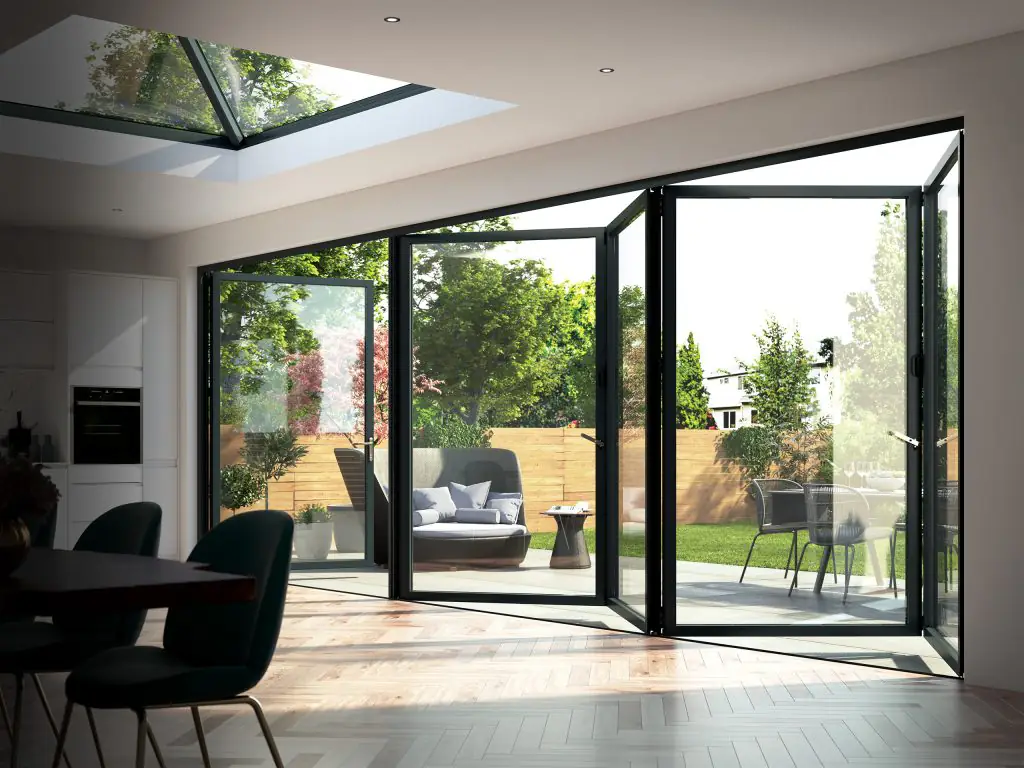
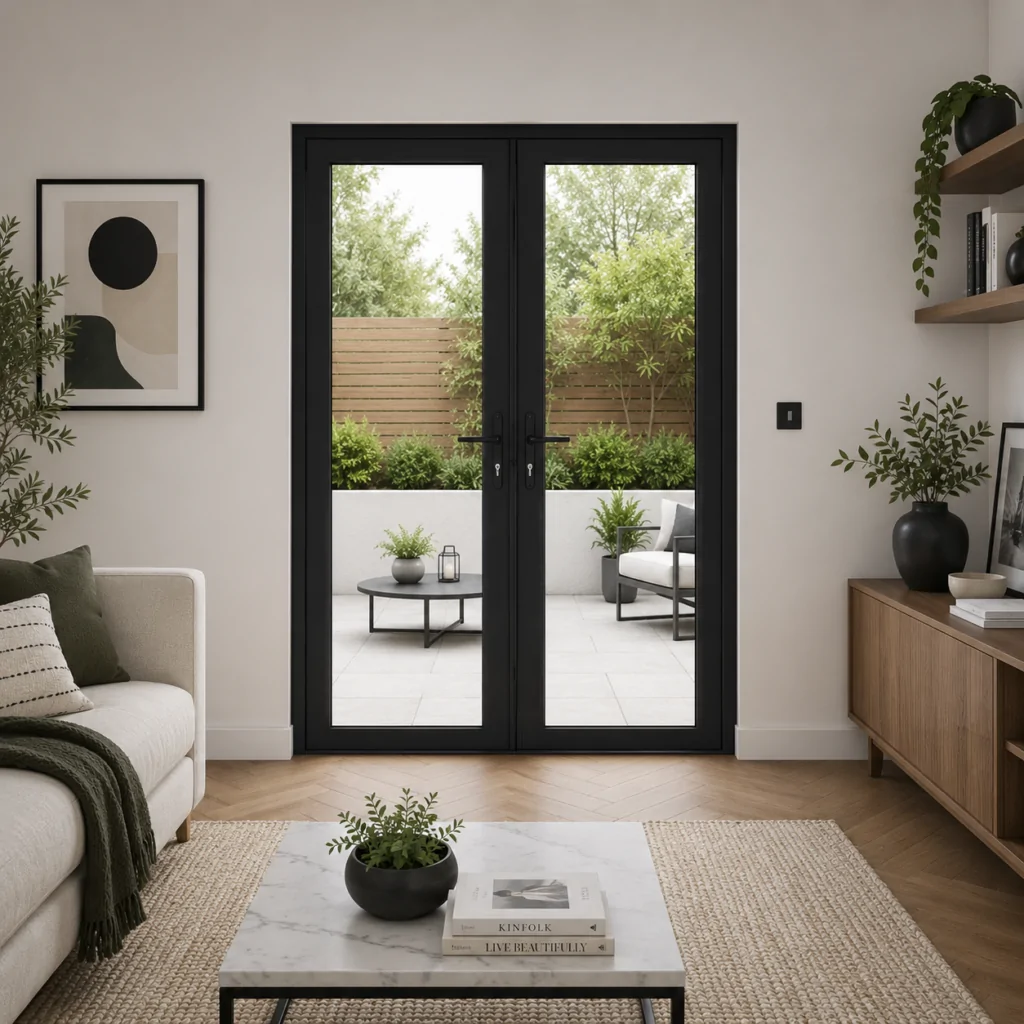
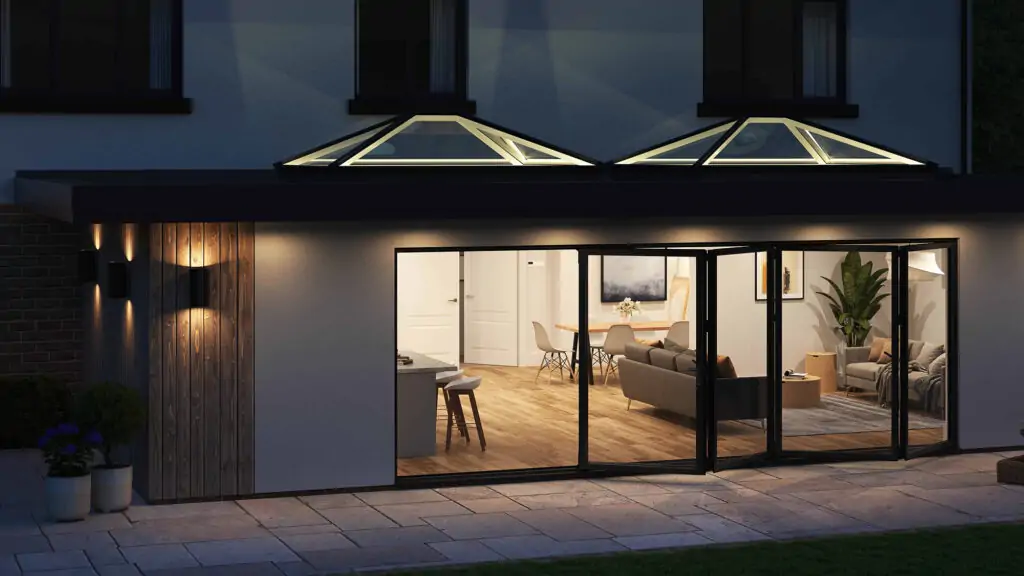
Anthracite grey, often specified as RAL 7016, remains one of the most requested bifold door colours for good reason. It has enough depth to frame large expanses of glass without looking as severe as black, and it works particularly well alongside modern brickwork, render, timber cladding and composite decking.
It is also a practical choice. Mid-to-dark grey tends to disguise everyday marks better than white, while still reflecting more light than a black frame. For extensions with grey roof tiles, dark window frames or contemporary landscaping, anthracite grey creates a coordinated finish without demanding an exact colour match.
There is a trade-off. In a small north-facing kitchen or a room with low ceilings, a full anthracite scheme can feel heavier than expected. Pairing it with pale internal walls, warm timber flooring and generous glazing helps retain a bright, open result.
Black: crisp, architectural and high contrast
Black bifold doors offer a sharp, confident look that suits contemporary homes, steel-look interiors and extensions designed around clean lines. The dark frame gives the glass definition, especially when the doors are viewed from a landscaped garden or terrace. It can make a wide opening feel more architectural rather than simply functional.
Matt black is usually more forgiving than a high-gloss finish, which can show dust, water spotting and fingerprints more readily. Black also sits comfortably beside black guttering, exterior lighting and balustrades, allowing the rear of a property to feel intentional and well specified.
The consideration is heat and visual weight. Darker frames absorb more solar warmth, and black can dominate a modest opening or traditional elevation. It is often at its best on a larger, light-filled extension where the frame has room to make a statement.
White: light, timeless and understated
White bifold doors are a strong choice for homeowners who want the glass, garden and natural daylight to take centre stage. They suit cottages, coastal properties, bright kitchen extensions and homes where existing windows are already white. Against pale render or painted brick, white frames can blend into the building and make the opening appear larger.
For an internal-facing finish, white is particularly useful where a space needs to stay soft and airy. It works well with shaker kitchens, neutral cabinetry and traditional detailing, without pushing the room towards an overtly modern style.
White needs a little more care in exposed garden settings, particularly near soil, paving and planting beds. This should not rule it out, but it does make a quality, durable powder-coated finish and routine cleaning worthwhile.
Agate grey and softer greys: refined without the darkness
Softer grey tones, including agate grey, are becoming increasingly popular in renovations where anthracite feels too bold. These shades bring a calm, contemporary feel while working well with limestone, light brick, sage-green planting and warmer interior finishes.
A pale grey bifold door can be an excellent middle ground for period properties with a modern extension. It provides a subtle contrast against white walls but avoids the stark visual line created by black or dark grey. If the aim is to brighten your home while keeping the architecture restrained, this family of colours deserves serious consideration.
Green, blue and heritage-inspired shades: character with care
Deep green, slate blue and muted heritage colours can give a property real individuality. They are especially effective on rural homes, traditional properties and projects with painted timber, natural stone or established gardens. A dark green frame, for example, can sit beautifully against red brick and mature foliage.
These choices need more confidence than the standard neutral palette. Consider whether the colour will complement future changes to your kitchen, cladding, patio or external paintwork. A distinctive shade should feel connected to the wider material scheme, not selected in isolation because it looked good on a small sample.
Choose the frame colour with the whole elevation in mind
Bifold doors are rarely viewed alone. From outside, they sit alongside brick, render, roofing, fascias, drainage, paving and planting. From inside, they need to work with flooring, kitchen cabinetry, wall finishes and furniture. Looking at all these elements together is the quickest way to narrow the choice.
Start with the fixed finishes that are least likely to change. Brickwork, roof tiles and stone are usually more permanent than paint or furnishings, so let them guide the direction. Warm red brick often works well with black, dark green, white or warm grey. Cool-toned render and contemporary cladding are natural partners for anthracite, black and softer greys.
Avoid trying to match every dark element exactly. A grey door beside black guttering or charcoal tiles can still look considered. Small variations create depth, whereas an almost-but-not-quite match can look accidental.
Should bifold doors be the same colour inside and out?
Not necessarily. Dual-colour bifold doors allow you to choose one finish for the exterior and another for the interior, which is useful when the garden-facing elevation and the interior design have different needs.
For example, anthracite grey outside can complement a modern extension, while white inside keeps a kitchen-diner bright and flexible. This approach is particularly valuable for homeowners who like dark external frames but do not want them to dictate every interior choice. It can also help a renovation sit more naturally beside existing white internal finishes.
A single colour remains a smart option when continuity is the priority. Black or anthracite inside and out can create a striking framed view and suits open-plan spaces with darker joinery, metal lighting and contemporary finishes. The decision comes down to whether you want the doors to blend into the room or become a defining design feature.
Think about light, orientation and maintenance
Colour changes how a frame reads in different conditions. A shade that looks soft and neutral in a showroom can appear much darker on a shaded elevation, while direct sun may reveal undertones you had not noticed. Always review a physical colour sample outside and, where possible, hold it against the wall finish at different times of day.
Room orientation matters too. South- and west-facing extensions can usually carry darker frames comfortably because they benefit from stronger daylight. In east- or north-facing rooms, white, light grey or a dual-colour arrangement may help preserve a more open feel.
Maintenance should be realistic rather than decisive. Every bifold door benefits from periodic cleaning and care, particularly around tracks and hardware. Dark frames can show pollen and dust, while white frames can reveal splashes from patios or garden work. A quality aluminium finish is designed for external use, but choosing a colour you will be happy to maintain is still part of a good specification.
Match the colour to the door configuration
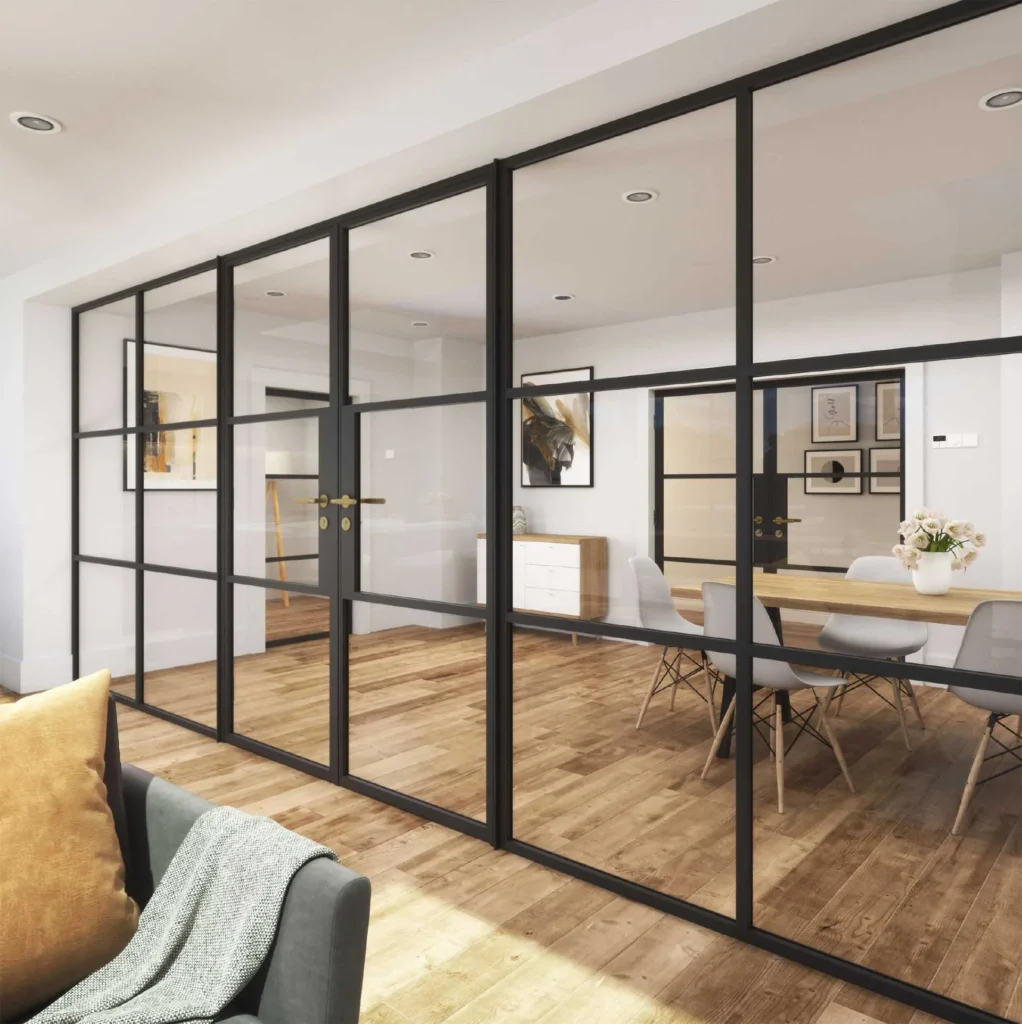
The more panels a bifold door has, the more visible the framing becomes. On a wide five- or six-panel opening, black or anthracite can create an attractive grid effect and add rhythm to the elevation. On a narrower two- or three-panel door, a lighter colour may make the opening feel less segmented.
Sightlines also influence the final result. Slimmer aluminium frames allow darker colours to look elegant rather than overpowering, which is one reason they work so well in contemporary extensions. If maximising the garden view is your priority, consider both the colour and the profile design before making a final choice.
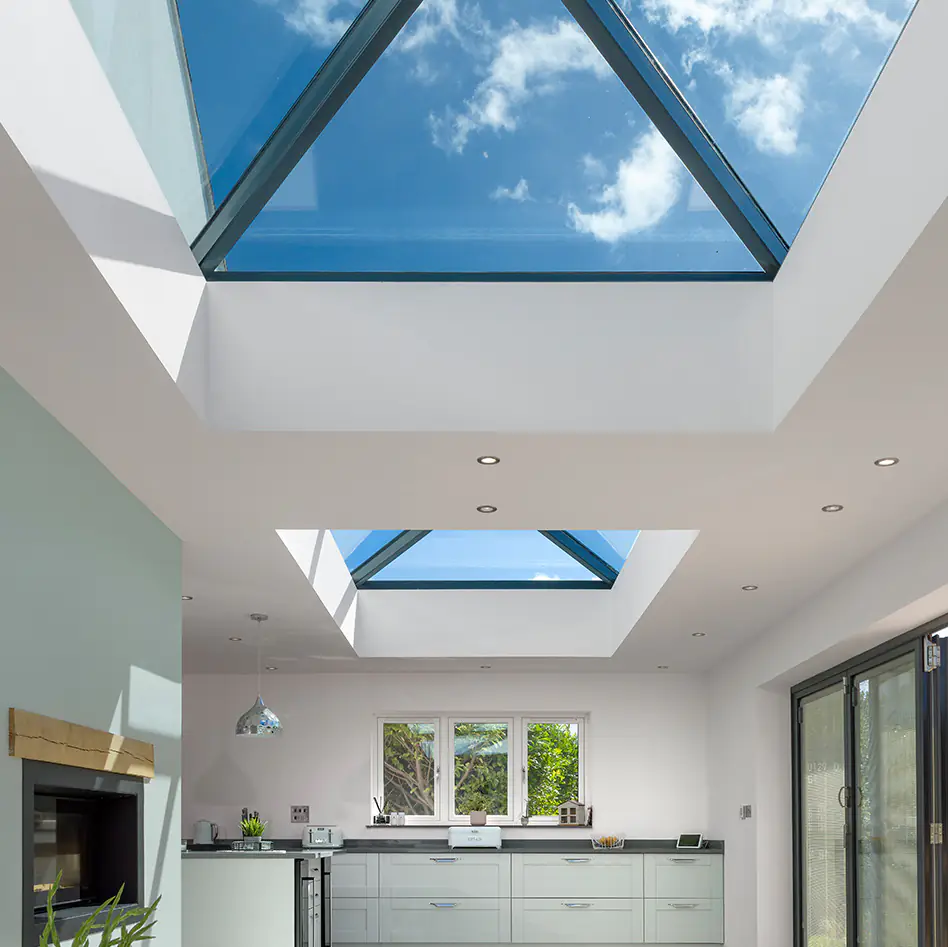
For trade professionals, agreeing the colour early also helps keep related elements aligned. Windows, sliding doors, rooflights and external doors do not always need to be identical, but specifying complementary tones from the outset avoids late changes and unnecessary delays on site.
Get confident before placing your order
The most successful bifold door colour schemes are built around samples, not screens. Digital images are useful for inspiration, but they cannot fully show texture, sheen or the way powder coating responds to daylight. Compare samples against the exterior wall, kitchen finishes and nearby window frames before confirming your design.
At Horizon Windows and Doors, bespoke bifold door options make it easier to balance colour, configuration and performance for the project rather than settling for a one-size-fits-all choice. Whether you favour dependable anthracite grey, a bright white interior, or a more distinctive heritage shade, choose the colour that makes the opening feel right every time you look towards the garden.