A glazed extension can make an ordinary rear addition feel like the best room in the house. That is why home extension glazing trends matter so much right now – they are not just about appearance, but about how light, warmth, privacy and day-to-day living work together in a modern UK home.
For homeowners planning a kitchen extension, garden room or open-plan remodel, and for trade professionals specifying products for clients, the direction is clear. People want more glass, but they also want better performance. They want larger openings, but without bulky frames. And they want design-led results that still make sense in British weather, budgets and building regulations.
The home extension glazing trends shaping current projects
The strongest shift in the market is towards glazing that earns its footprint. Instead of adding glass for the sake of it, current schemes use it to improve layout, connect spaces and make an extension feel calmer, brighter and more valuable.
That has pushed product choice well beyond a basic set of patio doors. Homeowners are mixing sliding doors with fixed screens, bringing daylight in from above with flat rooflights or lanterns, and paying closer attention to frame sightlines, opening style and thermal ratings. Trade buyers are seeing the same pattern – clients arrive with a clear visual brief, but they also expect practical guidance on specification.
Slim frames are still leading the way
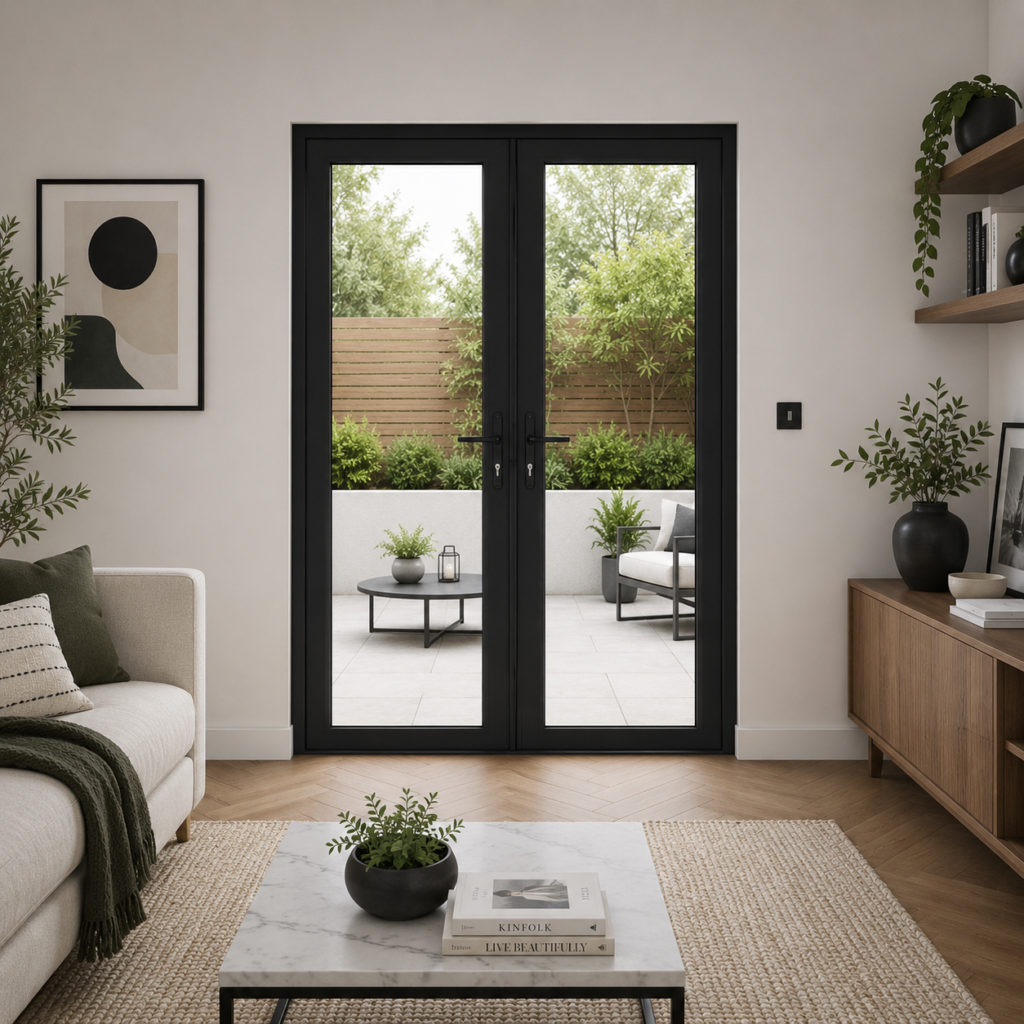
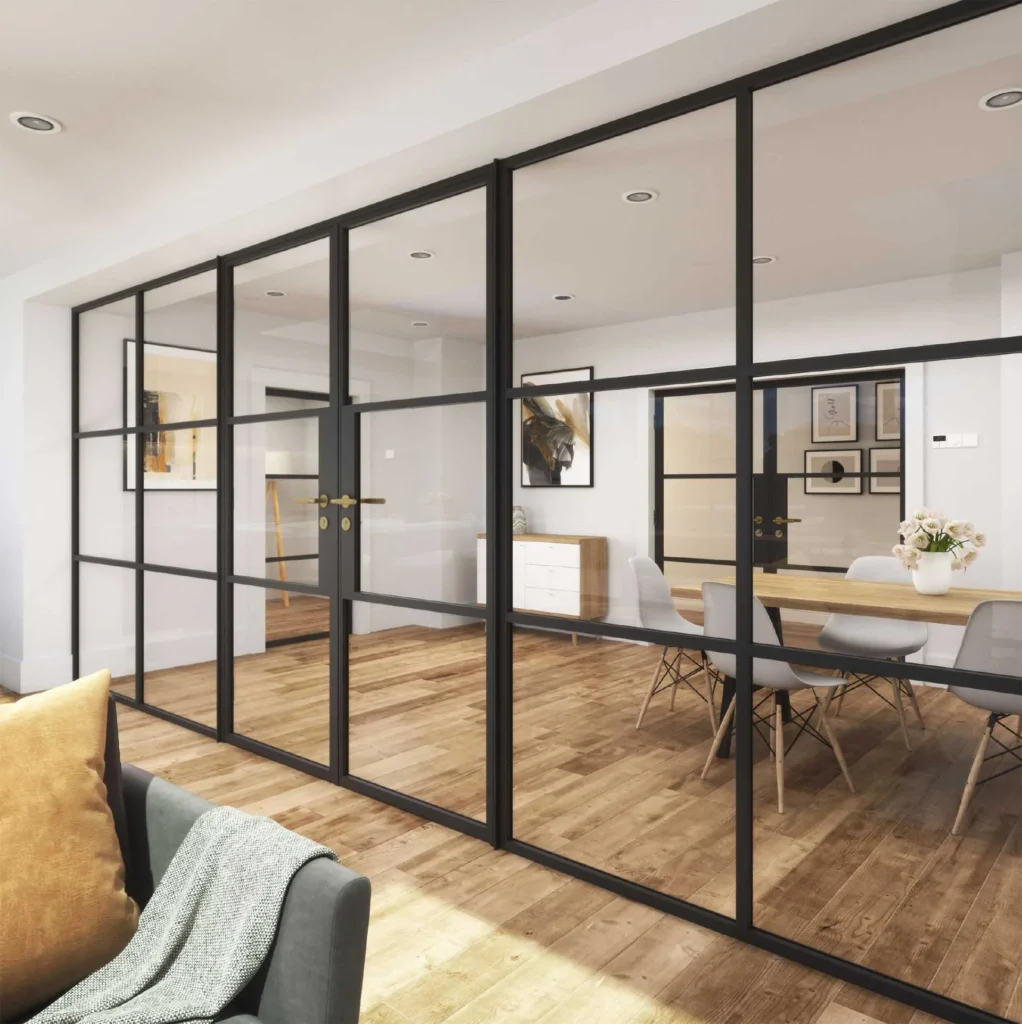
If one look defines current home extension glazing trends, it is slimmer framing. Aluminium remains the standout choice for this, especially in extensions where sightlines matter and the goal is to maximise glass area without making the structure feel heavy.
That does not mean every project needs the thinnest possible frame. Ultra-slim systems can be a strong fit for design-led homes and contemporary extensions, but there is always a balance between budget, panel size, performance and overall aesthetic. In some cases, a slightly chunkier profile delivers better value while still giving the clean, modern finish most buyers want.
For older properties, the trend is also becoming more refined. Rather than forcing a stark modern look onto a period home, many projects now use glazing with neater, more understated frames that sit comfortably alongside brick, render or heritage-style details.
Bigger door sets, with smarter choices on operation
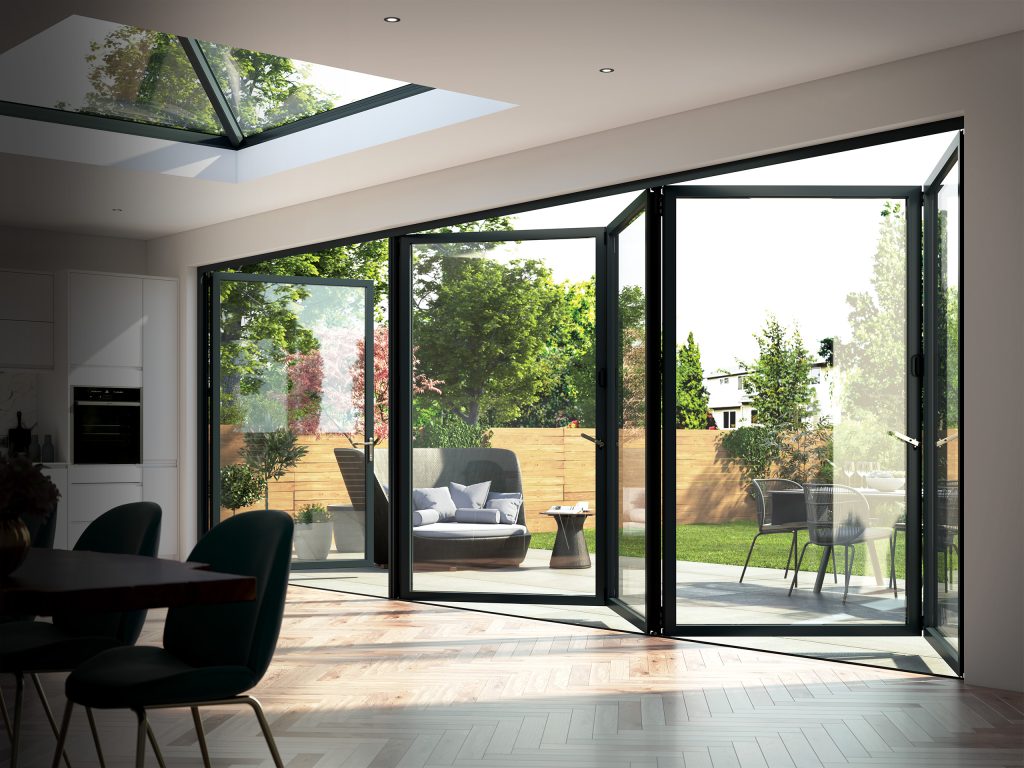
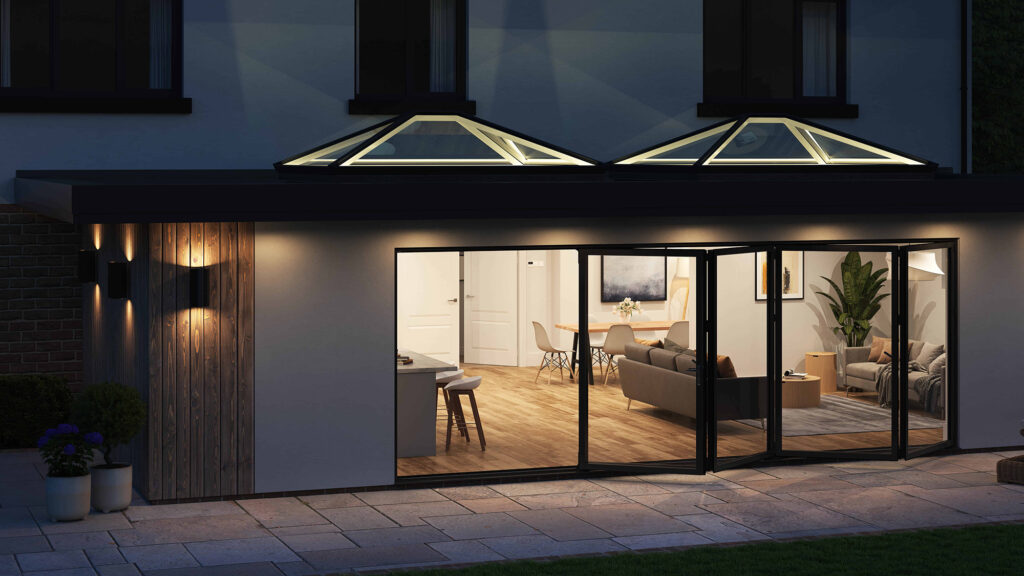
Large glazed openings are not going anywhere. Bifold doors still have a clear place in extensions, particularly where homeowners want to open up a full wall in warmer months. They are popular for kitchen diners and rear extensions where the inside-outside connection is a major part of the brief.
At the same time, sliding doors continue to gain ground. The reason is simple: they offer broad panes of glass, excellent views and a more minimal look when closed. For many homeowners, that matters more than opening the entire aperture. If the garden is used year-round as a visual extension of the room, sliding doors often make more sense.
This is where trend and practicality meet. Bifolds suit people who prioritise flexibility and a wide opening. Sliders suit those who want cleaner sightlines and fewer frame interruptions. Neither is automatically better – the right answer depends on the room layout, threshold detail, furniture placement and how the space will actually be used.
Roof glazing is becoming a core design feature
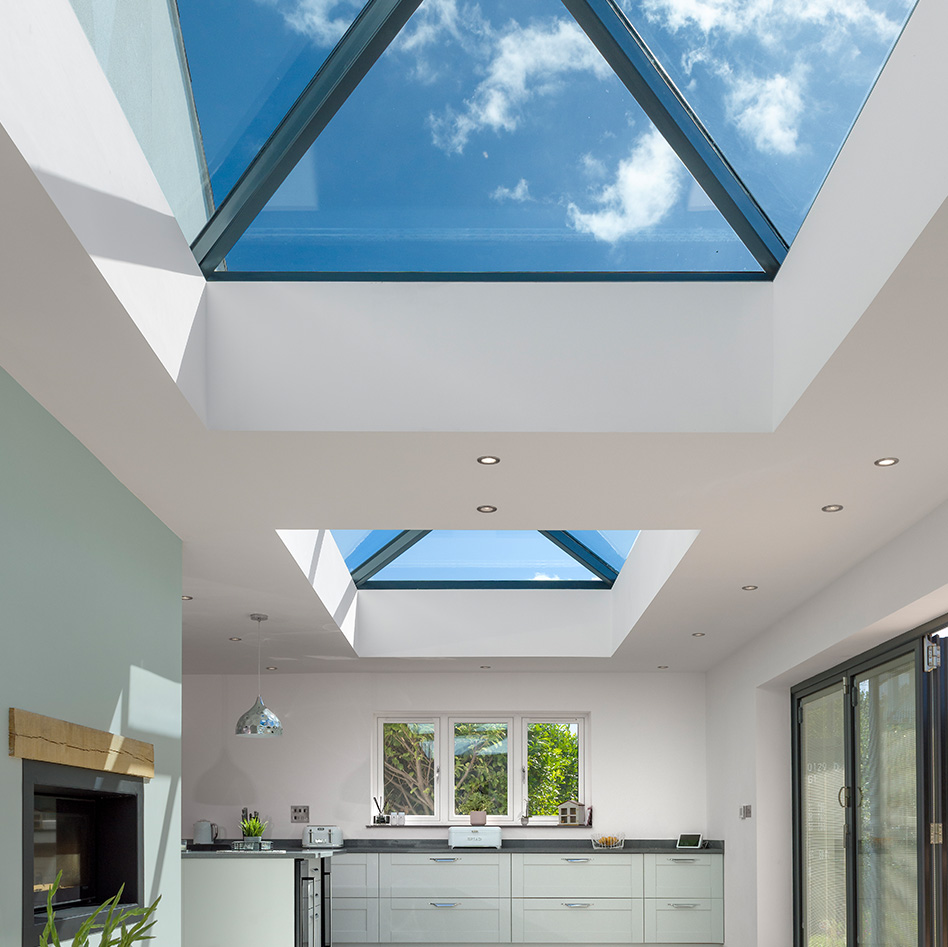
One of the biggest changes in extension design is the move towards bringing light in from above, not just from the rear. Flat rooflights and roof lanterns are now central to many glazing schemes because they solve a common problem: deep extensions can look impressive on plan but lose brightness in the middle of the room.
Overhead glazing helps spread daylight further into the home, especially in open-plan kitchen and dining areas. It can reduce the need for artificial lighting during the day and create a stronger sense of height and openness.
The trend is not simply to add the biggest rooflight possible. Better projects look at proportion, orientation and solar gain. South-facing roof glazing can be brilliant for light levels, but too much glass overhead may create overheating in summer if the specification is wrong. This is why the detail matters – glass type, size and placement should all work with the room, not against it.
Black remains popular, but softer colours are growing
Anthracite grey and black-style finishes still dominate extension glazing, particularly on aluminium systems. They suit modern brickwork, white render and contemporary interiors, and they continue to appeal because they frame views neatly without looking fussy.
Even so, colour choice is becoming more confident. Homeowners are increasingly considering softer greys, muted greens and heritage-inspired tones where the extension needs to relate more naturally to the original property. This is especially relevant for side returns, listed-adjacent settings and extensions where the goal is to blend rather than contrast.
For trade professionals, this means colour is no longer a last-minute decision. It is part of the early design conversation, along with hardware, cill detail and internal finishes. A well-chosen powder-coated finish can change the whole feel of an extension without changing the layout at all.
Performance is now part of the design brief
A few years ago, many buyers treated thermal performance as a specification box to tick at the end. That has changed. With energy costs still shaping renovation decisions, people expect extension glazing to look good and work hard.
That means stronger demand for thermally efficient frames, quality glazing units and products that help maintain a comfortable temperature through the seasons. It also means more attention on solar control, especially in large south- or west-facing extensions.
This is one of the most practical home extension glazing trends because it affects daily comfort. A beautiful glazed room that overheats in July and feels cold in January will quickly lose its appeal. High-performance systems cost more upfront, but they usually make more sense over time, particularly in larger glazed elevations where underperformance is more noticeable.
Fixed glazing is being used more creatively
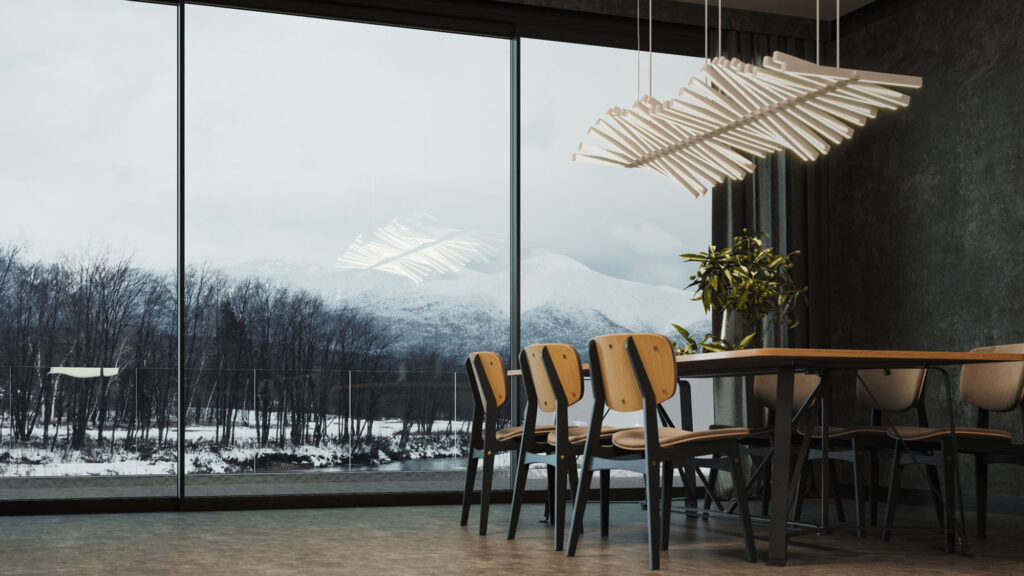
Not every glazed element needs to open. Fixed panes are becoming more popular in extension design because they allow wider uninterrupted views, can reduce visual clutter and often help control cost within a larger glazing package.
You can see this in combinations such as sliding doors with adjacent fixed screens, corner glazing that wraps around a dining area, or floor-to-ceiling windows used to frame a garden wall or planted courtyard. These choices are less about following fashion and more about creating a stronger architectural result.
Fixed glazing also helps when ventilation is being handled elsewhere in the design, perhaps through roof windows, opening vents or another elevation. Used properly, it can make an extension feel more composed and less overworked.
Frameless and near-frameless details are influencing expectations
Fully frameless glazing is still a niche choice in many residential projects, but the influence of frameless design is much wider. Buyers increasingly expect cleaner edges, lower thresholds and less visible structure.
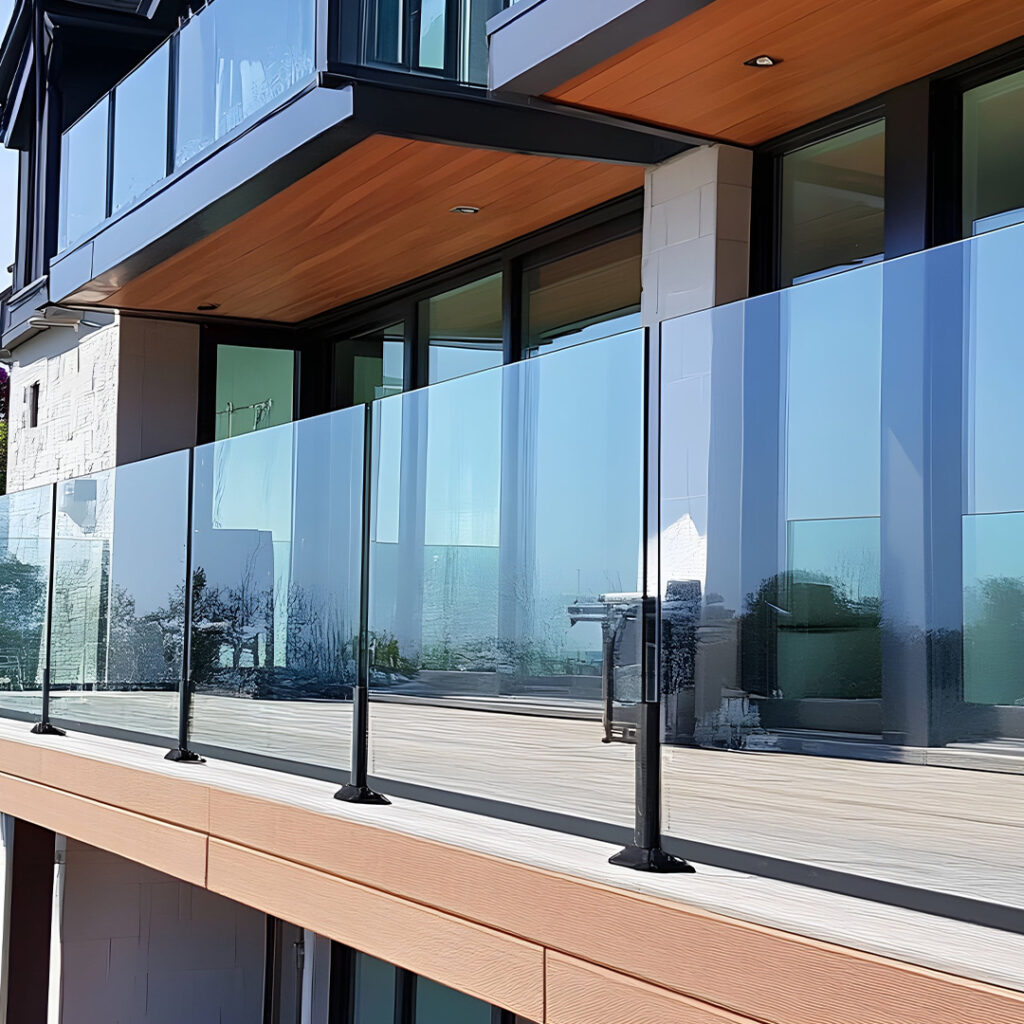
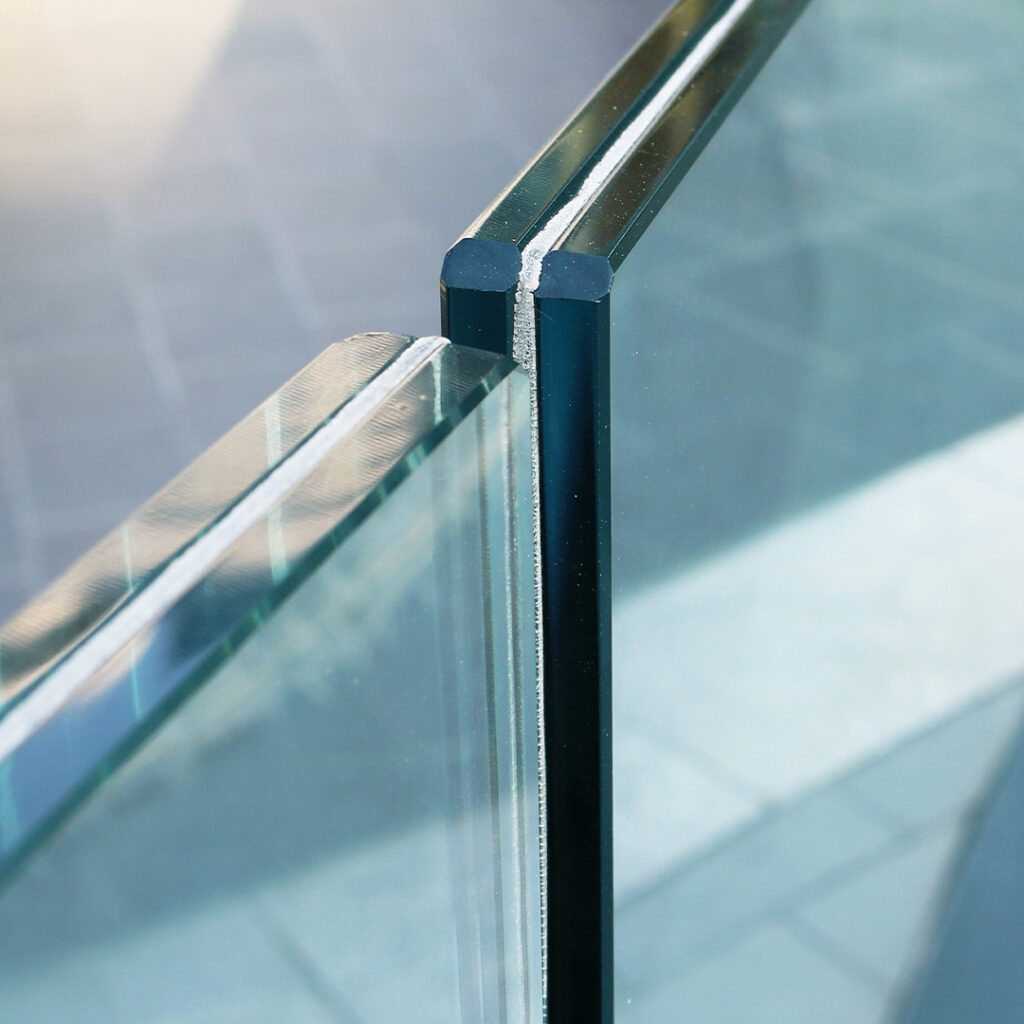
That expectation is shaping everything from glass-to-glass corners to minimalist rooflight designs and more discreet balustrade detailing around external steps or terraces. The appeal is obvious – less visual interruption, more light and a sharper finish.
The trade-off is that minimalist details often require tighter planning and more accurate installation. They can also raise costs. For some projects, a near-frameless look delivered by a well-designed aluminium system is the smarter route, offering the same overall feel with a more manageable budget and simpler specification.
Glazing is being specified as part of the whole extension, not at the end
This may be the most important shift of all. Glazing used to be treated as a final product decision once the shell was already designed. Now it is much more likely to shape the extension from the start.
That is a good thing. Early decisions about door type, frame depth, roof glazing position and opening configuration can influence steelwork, drainage, floor levels and even kitchen layout. When glazing is considered upfront, the result is usually better in both appearance and performance.
For homeowners, this means fewer compromises later on. For builders and installers, it means smoother specification and fewer surprises on site. It also gives more room to compare options properly, whether that is choosing between bifolds and sliders, selecting a lantern or flat rooflight, or balancing a premium branded system against a value-led alternative.
A supplier with a broad range and solid technical support can make that process much easier, especially when the project needs bespoke sizing or a combination of products rather than a single off-the-shelf solution.
What these trends mean for your project
The best extension glazing does not chase every new look. It takes the strongest ideas – more daylight, slimmer frames, better energy performance and cleaner design – and applies them in a way that suits the property.
If your priority is to brighten a compact rear extension, roof glazing and fixed panes may have more impact than the biggest possible door set. If you are opening up a large garden elevation, the decision between bifold and sliding doors deserves careful thought. And if the extension needs to work all year, thermal performance should sit right alongside aesthetics from day one.
Good glazing changes how a room feels. Great glazing changes how it is used. Choose products that support the way you live, and the extension will do more than look impressive on completion day – it will keep earning its place every day after that.