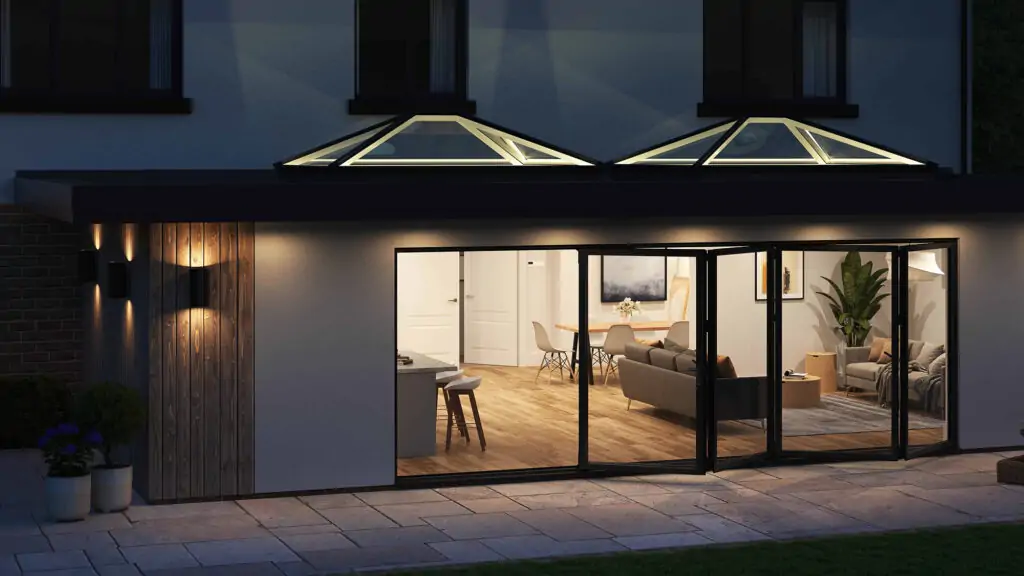
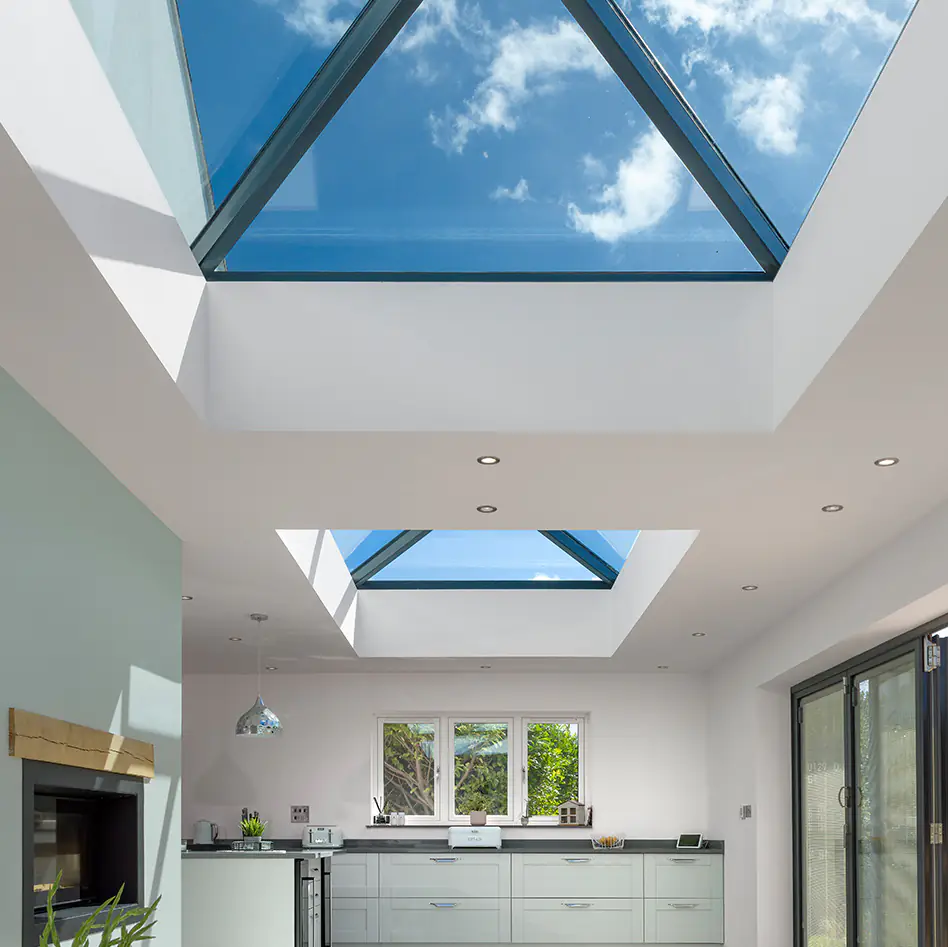
A rear extension can look right on paper and still feel disappointing once it is built. Often, the missing piece is the opening itself. The right bifold doors Hampshire homeowners choose can turn a bright new room into a space that feels wider, lighter and far better connected to the garden. Get the specification wrong, though, and daily use can become harder than it should be.
That is why bifold doors deserve more thought than a quick colour choice and a rough width. Sightlines, panel configuration, threshold detail, glazing performance and frame material all affect how the doors look, how they operate and how well they stand up to British weather. For homeowners planning an upgrade and trade buyers sourcing for clients, the best result usually comes from matching the product to the project rather than chasing a one-size-fits-all option.
Why bifold doors work so well in Hampshire homes
Hampshire has a broad mix of property styles, from period houses in Winchester and village homes with garden-facing kitchen extensions to newer builds around Fleet, Basingstoke and Farnborough. Bifold doors suit that variety because they can be specified to feel contemporary or more understated, depending on frame finish, handle choice and overall proportions.
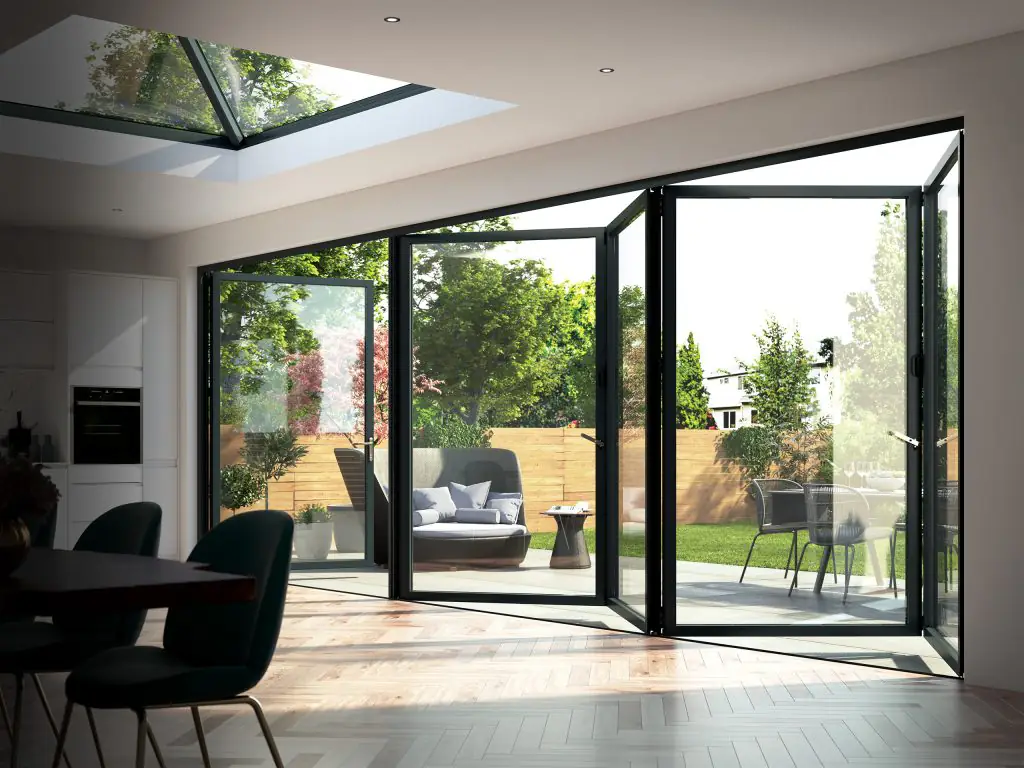
Their appeal is straightforward. They maximise light and space, create a wider opening than a typical set of French doors, and make open-plan living areas feel more usable in warmer months. In family homes, that connection between kitchen, dining area and patio often becomes the main selling point of the room.
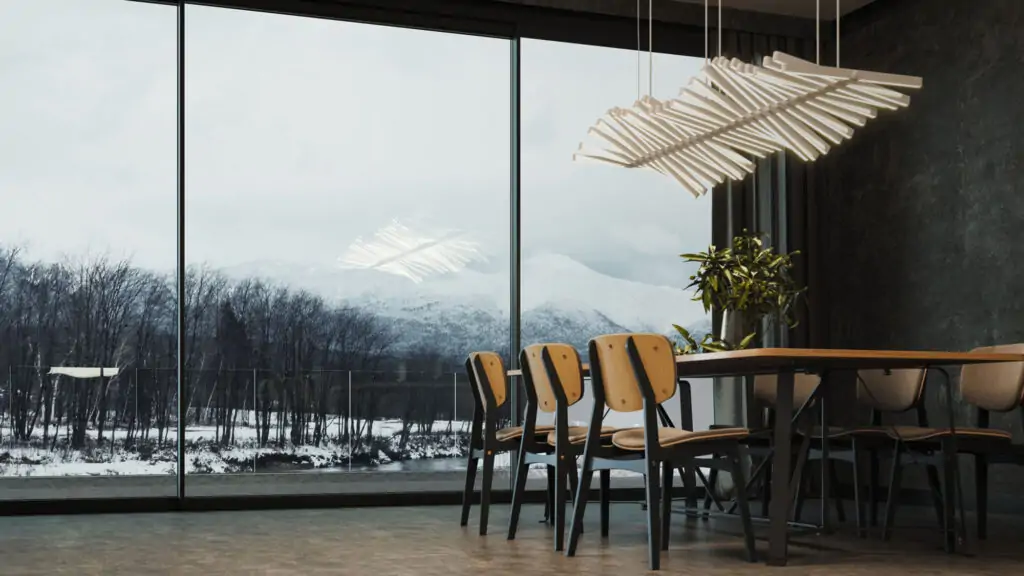
There are trade-offs, though. If your priority is the biggest uninterrupted glass area when the doors are closed, sliding doors may be stronger on sightlines. If your priority is opening up the full width and creating a flexible threshold to the garden, bifolds usually come into their own.
Choosing bifold doors Hampshire projects actually need
The best bifold doors are not simply the most expensive or the slimmest. They are the ones that suit the opening, the room layout and the way the property will be used every day.
Start with the opening configuration
Panel layout matters more than many buyers expect. A three-panel set can work beautifully on smaller openings, while wider spans may need four, five or more panels to keep the system balanced and practical. The key question is where the traffic door sits and how often you want to use the full opening.
If the doors will be your main route into the garden, a configuration with a convenient everyday access leaf can make life much easier. Without that, you may find yourself folding back several panels just to step outside with a cup of tea or let the dog out. For entertaining spaces, the stacking direction also matters because it affects furniture placement and the usable width once opened.
Think carefully about threshold details
A low threshold looks cleaner and improves accessibility, particularly in homes designed for easy movement between inside and outside. It can be ideal for garden rooms, kitchen extensions and family spaces where the patio sits almost level with the internal floor.
That said, threshold choice needs to reflect exposure. On more weather-facing elevations, especially where driving rain is a concern, performance requirements may point towards a different threshold arrangement. It is one of those details that looks minor in a brochure but has a real impact once installed.
Frame material affects more than appearance
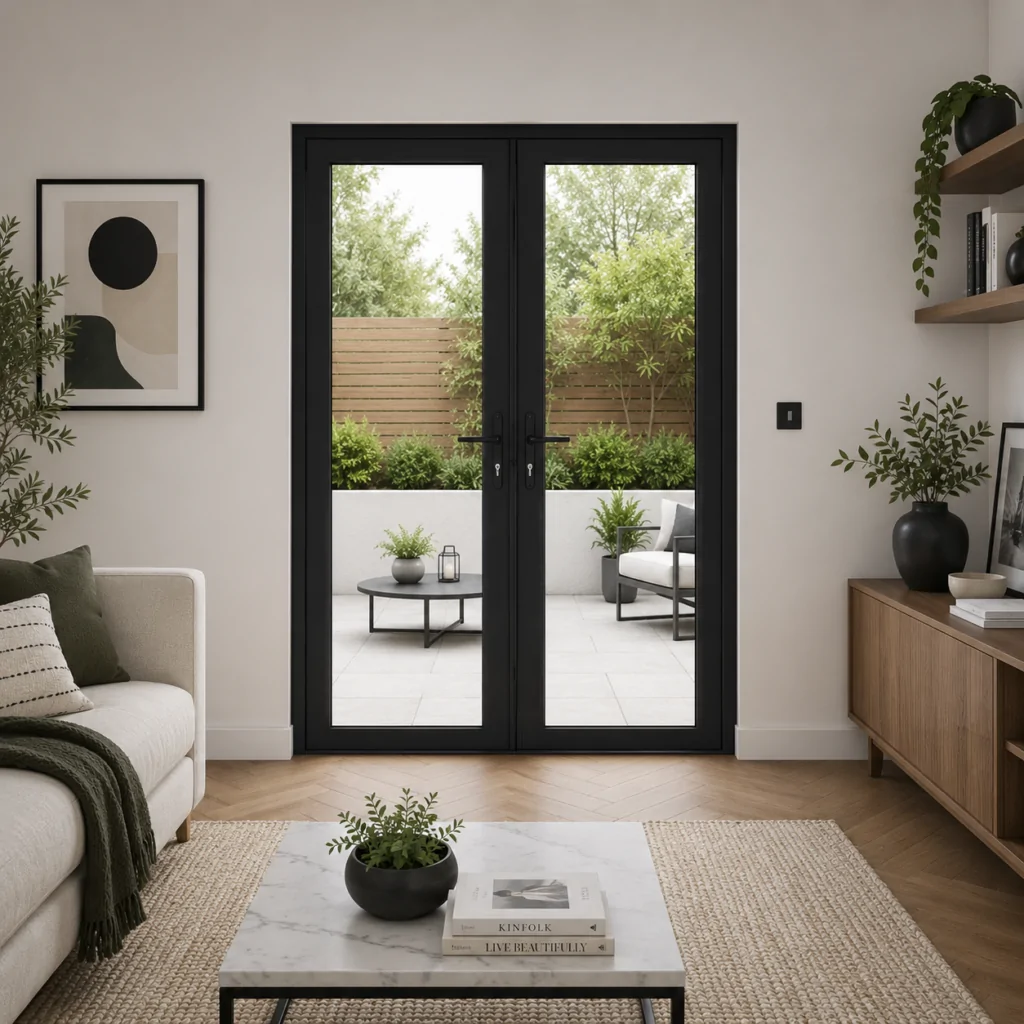
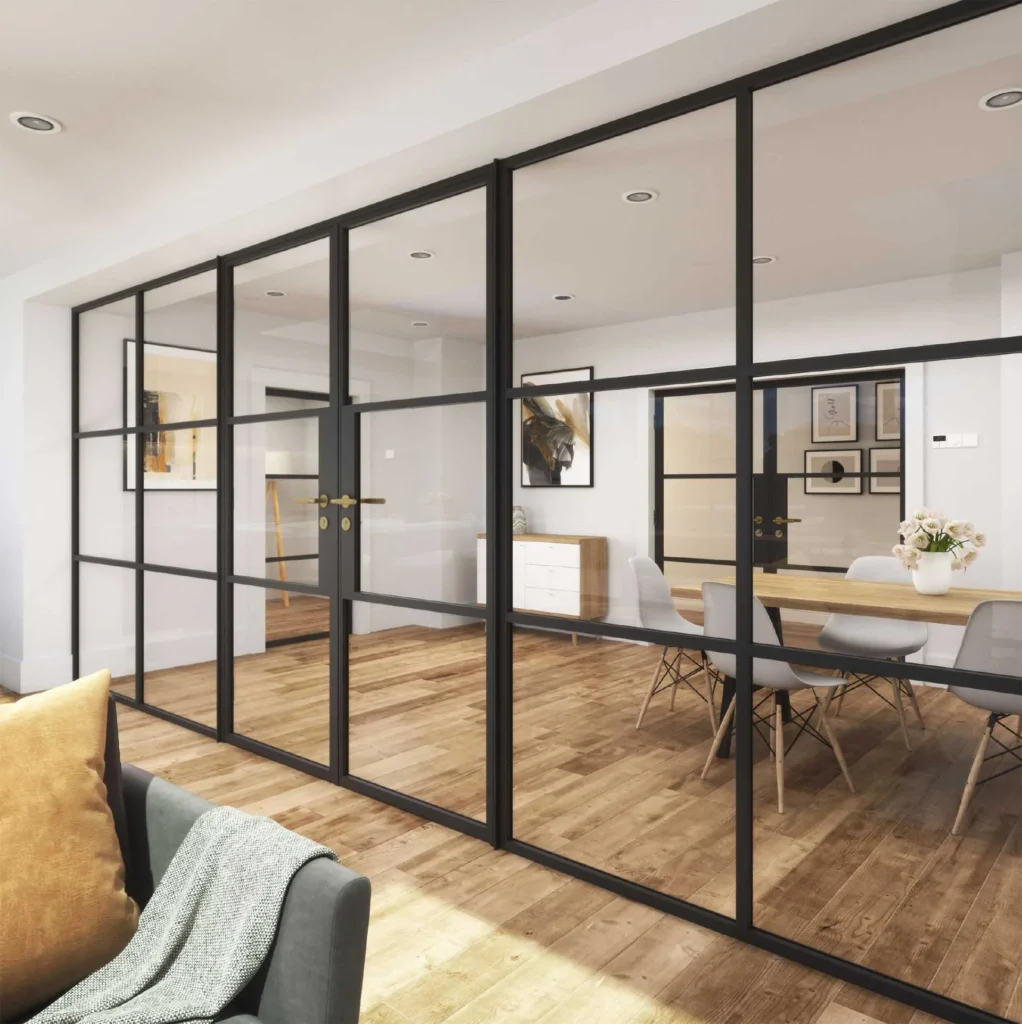
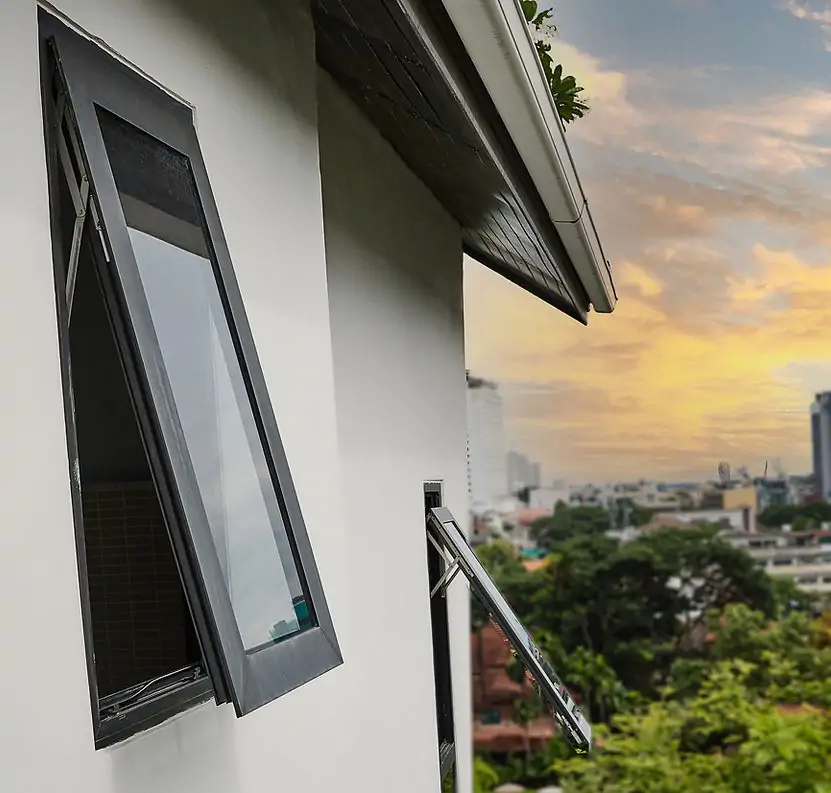
For most premium bifold installations, aluminium is the leading choice. It offers strength, slim framing, low maintenance and a crisp modern finish that works across many property types. Powder-coated aluminium also gives good flexibility on colour, whether you want anthracite grey, black, white or a more tailored shade.
uPVC bifolds can suit tighter budgets, but for larger openings and more design-led projects, aluminium generally delivers the cleaner result. It tends to feel more substantial, and it is often the preferred option where buyers want better visual impact without compromising on durability.
Performance matters as much as style
Good bifold doors should not just look impressive on day one. They need to perform through winter, cope with repeated daily use and help maintain comfort in the room behind them.
Thermal efficiency and glazing
Modern glazing has moved expectations on significantly. Double glazing is standard for most projects, but not all glazed units are equal. Glass specification, spacer bars, frame design and overall installation quality all influence thermal performance.
For Hampshire homeowners upgrading older patio doors or dated windows, the difference can be noticeable. A well-specified bifold system can help reduce draughts, improve room temperature consistency and make large glazed areas feel more practical all year round. South-facing extensions may also benefit from solar control considerations, especially if overheating is already a concern.
Security and hardware quality
Security should never be treated as a box-ticking exercise. Multi-point locking, quality cylinders, dependable hinges and tested hardware all contribute to peace of mind. On larger door sets, operating gear is especially important because the doors need to glide properly and stay aligned over time.
This is where cheaper systems can show their weaknesses. A bifold door might look similar online at first glance, but poor running gear and lower-grade hardware often become obvious after months of use. For homeowners, that means frustration. For installers and developers, it can mean callbacks.
Matching bifold doors to the room
A kitchen extension has different demands from a garden room or a self-build rear elevation. The room should guide the specification.
In kitchen-diners, bifolds often sit at the centre of the space, so sightlines and ease of use matter most. In a snug garden room, the aim may be to bring in as much light as possible without overpowering the walls around the opening. In a renovated period property, a softer external colour and a less aggressive frame finish may sit better with the architecture.
It also helps to think about the room when the doors are closed. In the UK, they will be closed for much of the year. So the frame style, glass proportions and view out are just as important as the fully open summer look shown in brochures.
What homeowners and trade buyers should ask before ordering
The buying process is smoother when the right questions are asked early. Exact structural opening sizes, cill requirements, delivery access, installation method and lead times all deserve attention before the order is placed. If you are comparing products, ask what is included as standard and what counts as an upgrade.
For homeowners, support with configuration and specification can save costly mistakes. For trade customers, access to technical documents, reliable dimensions and clear product options can make quoting and installation far easier. That is one reason many buyers prefer a supplier that combines online convenience with proper UK-based guidance rather than leaving every detail to guesswork.
Brand choice also plays a part. Systems from recognised names such as Alunet, Cortizo and Korniche each have strengths depending on the brief, budget and look you want to achieve. A supplier with a broader range can usually help you compare properly instead of forcing one system onto every project.
Common mistakes with bifold doors Hampshire buyers can avoid
One common mistake is choosing based on opening width alone. Wider is not always better if panel sizes become awkward or the stacked doors dominate the room when open. Another is overlooking the direction of travel and discovering too late that the folded panels clash with furniture or block the preferred route outside.
Colour can be mishandled too. Anthracite remains popular for good reason, but it is not automatically the best answer for every property. On some homes, black is sharper. On others, white or a softer neutral feels more balanced and less trend-led.
Then there is pricing. A low headline figure can look attractive, but it may exclude better glazing, upgraded hardware or the threshold detail the project actually needs. Value matters more than the cheapest starting point, particularly on a made-to-order product that should serve the property for years.
Getting the balance right
The strongest bifold door choices usually sit in the middle ground between design ambition and practical specification. You want slim frames, but not at the cost of reliability. You want a low threshold, but not where exposure makes that the wrong call. You want a competitive price, but not by sacrificing the everyday quality that makes the doors worth having.
For many projects, that balance comes from taking a more consultative approach to buying. A supplier such as Horizon Windows and Doors can help narrow down the right system, finish and configuration without making the process feel overly technical. That is useful whether you are a homeowner planning one major renovation or a trade buyer managing multiple openings across different sites.
Bifold doors are one of the few upgrades that change both how a home looks and how it feels to use. Choose them with care, and the result is not just a bigger opening to the garden – it is a room that works harder every single day.