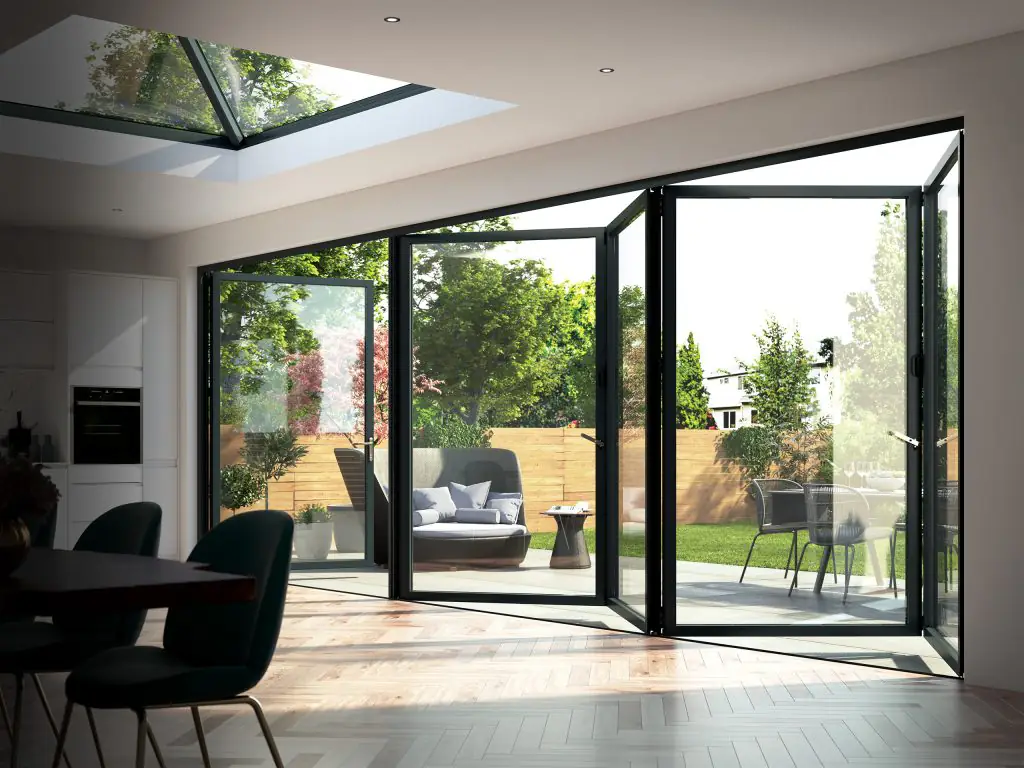


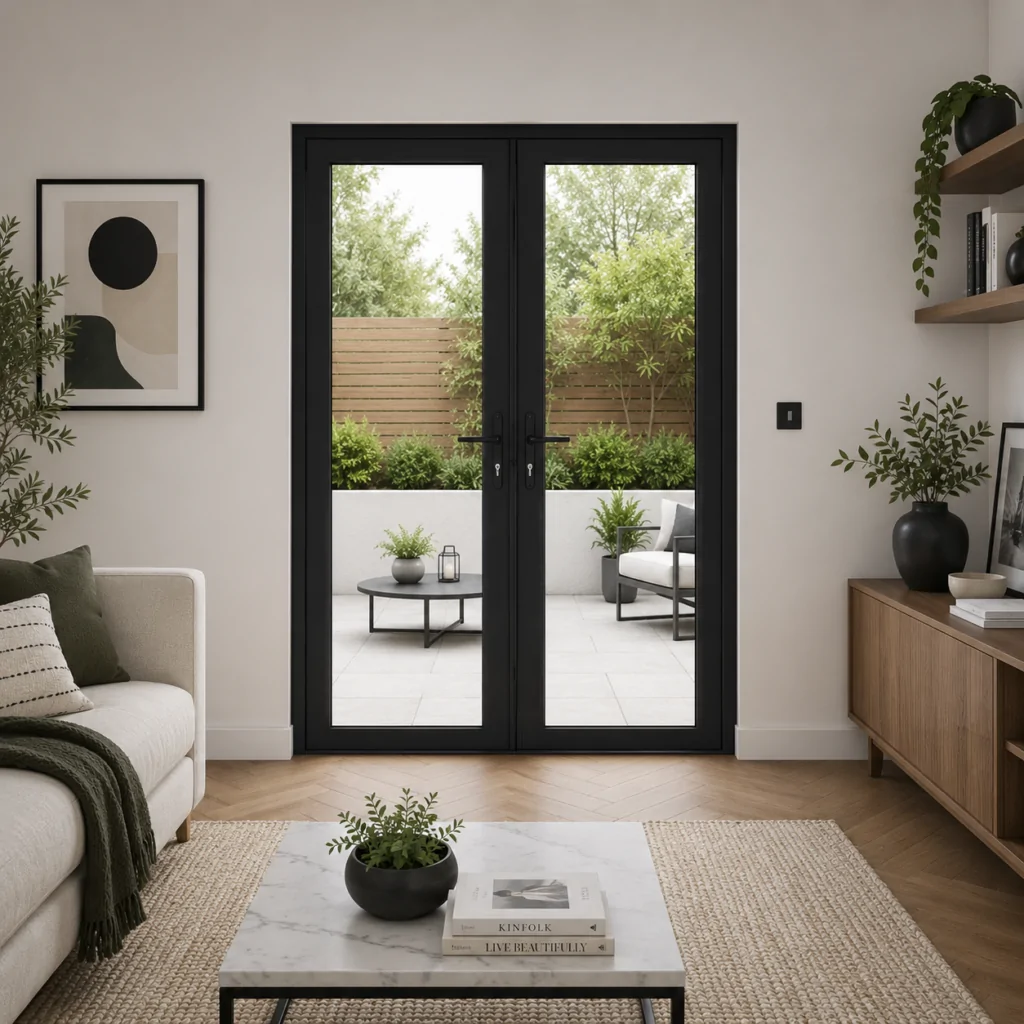
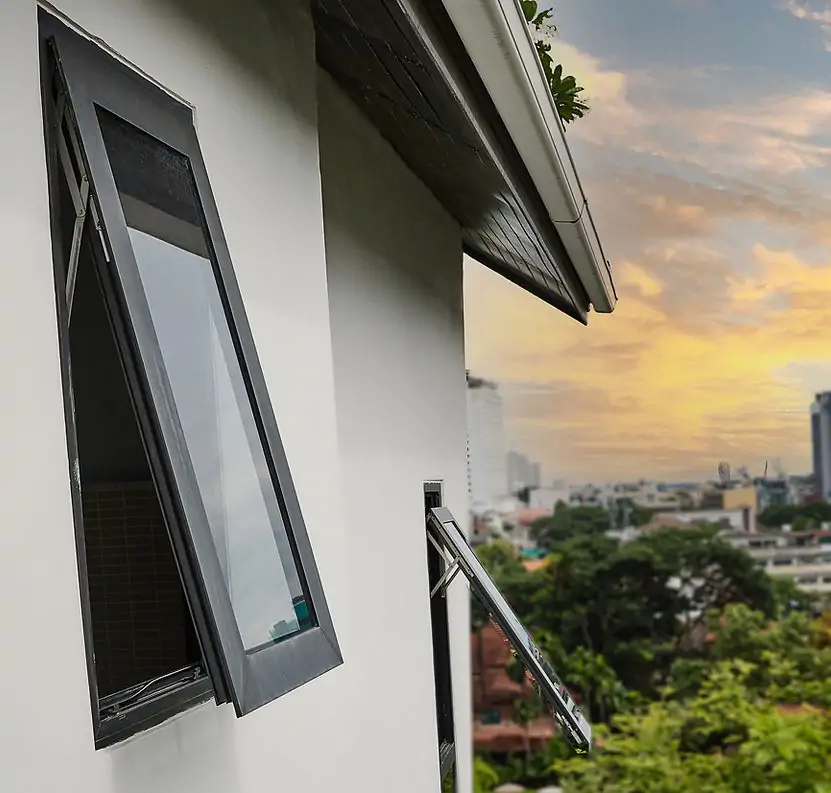

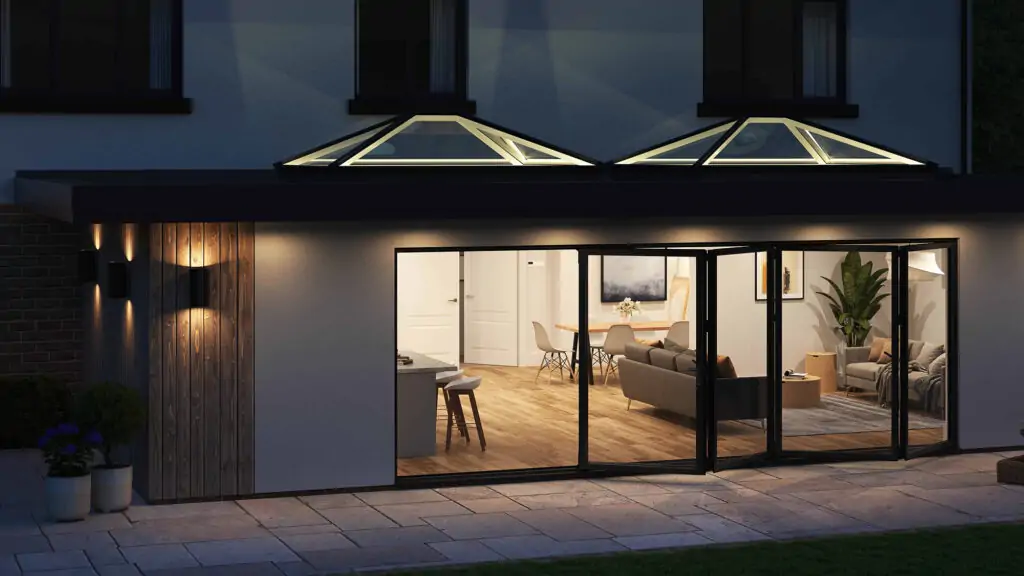
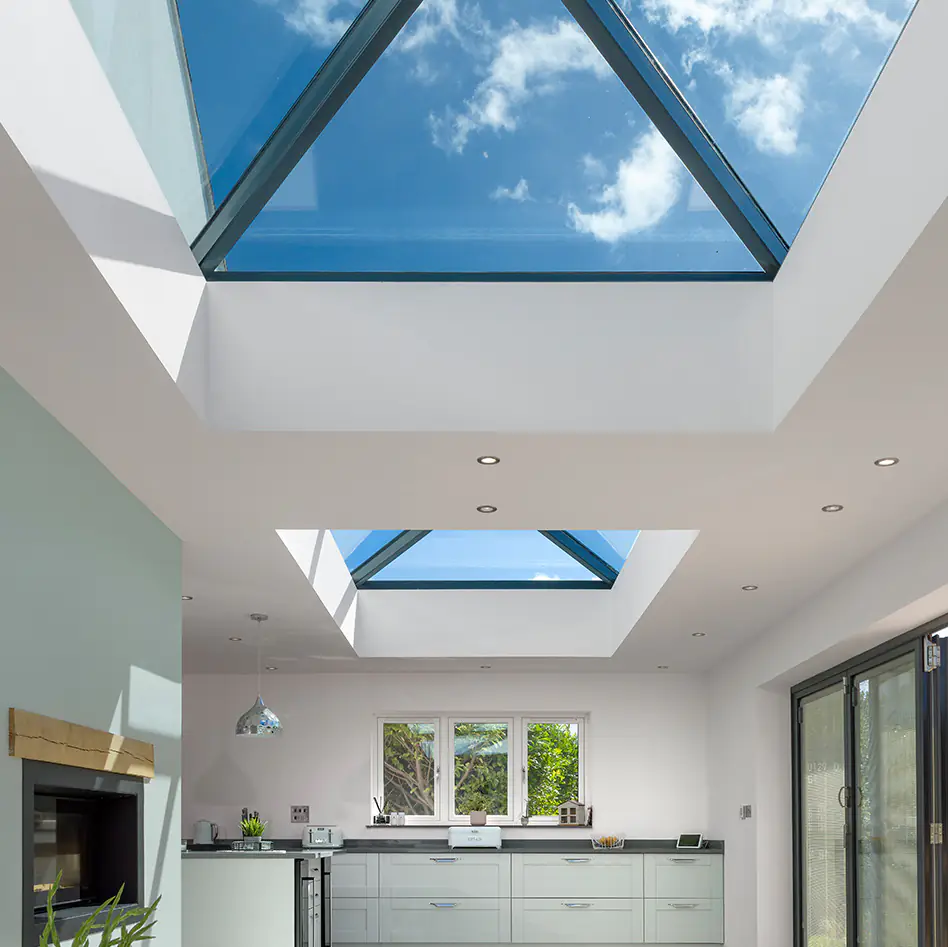
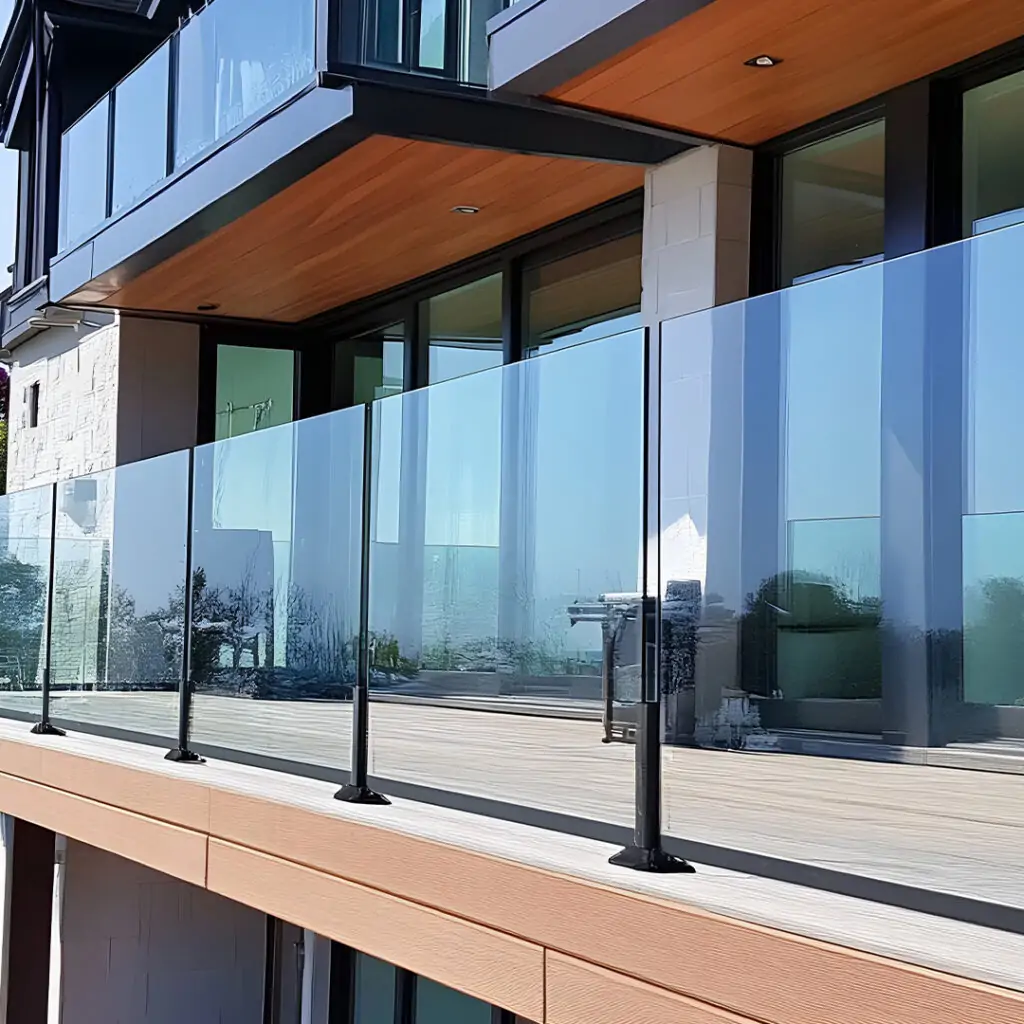
An aluminium bifold door can create the wide, light-filled opening an extension needs, but aluminium naturally conducts heat far more readily than timber or uPVC. Without the right frame design, warmth from your home can travel out through the metal just as easily as cold transfers in. So, what is a thermal break? It is the insulating barrier within an aluminium frame that helps stop this heat transfer, making modern aluminium glazing a practical choice for comfortable, energy-efficient homes.
What is a thermal break?
A thermal break is a section of low-conductivity material, usually reinforced polyamide, fitted between the inner and outer parts of an aluminium window or door frame. It separates the two aluminium sections so they do not form a direct route for heat to pass through.
Think of it as a barrier built into the profile. The external aluminium remains exposed to colder outdoor conditions, while the internal section is better protected from that cold. In winter, this reduces the rate at which heat escapes through the frame. In warmer weather, it also limits how quickly outside heat can move indoors.
Thermal breaks are a key reason why quality aluminium products can offer slim sightlines without sacrificing the thermal performance expected in modern UK homes. They are used across aluminium windows, sliding doors, bifolds, entrance doors, rooflights and roof lanterns.
Why aluminium needs a thermal break
Aluminium is strong, durable and highly suited to large glazed panels. It will not warp, rot or need regular repainting, and its strength allows for much slimmer frames than many other materials. The trade-off is that plain aluminium is an excellent conductor of heat.
A non-thermally broken aluminium frame can feel cold to the touch in winter. More significantly, it can create a cold surface on the room-facing side of the frame, increasing the likelihood of condensation where warm, moisture-laden indoor air meets it.
Adding a thermal break changes the performance of the frame substantially. Rather than a continuous metal bridge from outside to inside, the insulating polyamide strip interrupts the path. The frame’s internal surface stays warmer, helping to reduce heat loss and improve comfort around large areas of glazing.
This matters most on projects where glazing is a major design feature. A rear extension with wide bifolds, a garden room with a roof lantern, or a renovation with large sliding doors can all benefit from frames that support the performance of the glass rather than undermine it.
How a thermal break improves your home
The main benefit is better thermal efficiency. By reducing heat transfer through the frame, a thermal break contributes to a lower overall U-value for the complete window or door. U-values measure how easily heat passes through a building element – the lower the figure, the better the insulation.
However, the frame is only one part of the picture. The glass specification, spacer bars, seals, panel size, installation quality and wall junctions all affect real-world performance. A high-performing frame paired with basic glazing will not deliver the same result as a well-specified, complete system.
Reduced condensation risk
Thermal breaks help keep internal frame surfaces warmer. That makes condensation less likely to form on the frame, particularly during cold spells when indoor humidity is high.
They cannot eliminate condensation in every circumstance. Cooking, drying clothes indoors, showering and limited ventilation can still raise moisture levels enough for condensation to appear on glazing or other cold surfaces. Effective ventilation and sensible heating remain part of the solution, but a thermally broken frame avoids adding an unnecessary weak point.
Greater comfort near glazing
Large glass doors should make a room feel open, not leave the seating area nearest the garden feeling chilly. Thermally broken aluminium frames reduce cold radiation from the frame and help maintain a more consistent temperature across the opening.
This can be especially valuable in open-plan kitchens and living areas, where bifold or sliding doors often occupy an entire elevation. You get the clean, contemporary look of aluminium alongside a more comfortable space to use throughout the year.
Better support for Building Regulations
New windows and doors in UK renovation and extension projects generally need to meet minimum thermal standards. The exact requirement can vary depending on the project and whether compliance is assessed through individual element U-values or the dwelling’s overall energy calculation.
A thermally broken aluminium system provides a far stronger starting point than a cold, non-thermal profile. Always check the declared U-value for the exact configuration you are buying, rather than relying on a headline figure for a different size, glazing option or opening style.
Thermal break versus thermal bridging
A thermal break is designed to prevent thermal bridging. A thermal bridge is an area of a building where heat moves more easily through a material than through the insulation around it.
In a window or door, an uninsulated metal frame can become a thermal bridge. Elsewhere, thermal bridges can occur at junctions between walls, floors, roofs and structural steelwork. They lead to higher heat loss and, in some cases, cold spots that encourage condensation or mould.
The distinction is simple: thermal bridging is the problem; a thermal break is one solution. It does not replace good design at the installation stage. Frames must be correctly fitted, sealed and insulated around their perimeter to avoid gaps that compromise the benefit of the product itself.
Are all aluminium windows and doors thermally broken?
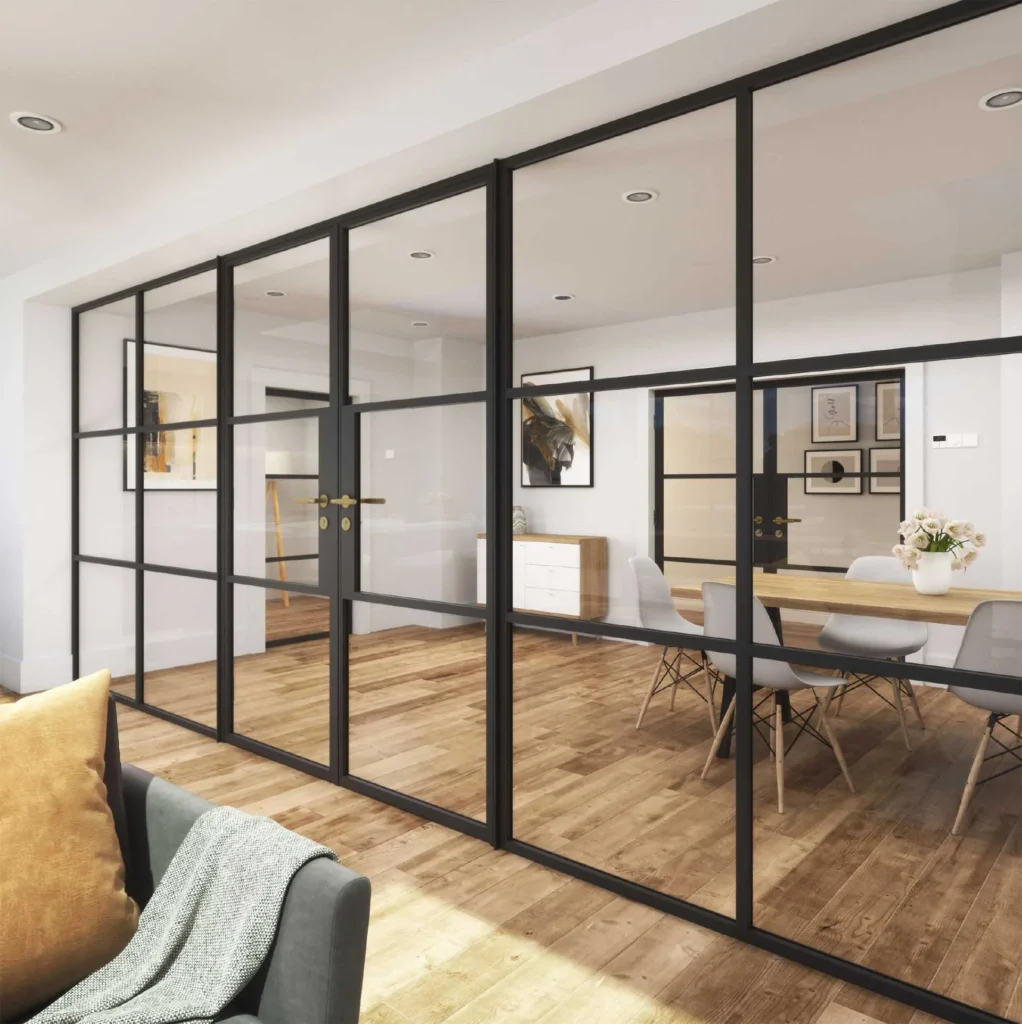
No. Most premium aluminium windows and doors specified for external residential use are thermally broken, but it should never be assumed. Some budget products, internal screens, commercial systems or specialist profiles may not include a thermal break because their intended use is different.
When comparing systems, ask whether the frame is thermally broken and request the performance information for the product configuration you want. This is particularly relevant for large doors, as sash size, glass thickness and glazing choice can affect the final U-value.
At Horizon Windows and Doors, technical documentation is available to help homeowners and trade professionals compare suitable aluminium systems before ordering. That is useful when balancing frame style, opening arrangement, glass options and target performance on a specific project.
What to look for when choosing a thermally broken system
The thermal break alone does not make one product better than another. A well-made system combines a correctly designed break with insulated glazing, reliable seals and hardware that keeps panels properly compressed when closed.
For an extension or replacement project, start with the whole-door or whole-window U-value, not simply the centre-pane value. Centre-pane figures only describe the glass itself; the complete product value includes the frame, edge of glass and other components that influence heat loss.
It is also worth considering the style of system. Bifold doors maximise the opening when folded back, while sliding doors can provide larger uninterrupted panes and exceptionally slim meeting sections. Fixed aluminium windows and picture windows offer strong thermal performance with minimal frame interruption. The best option depends on how you want the space to work, not just the number on a data sheet.
Colour and finish deserve attention too. Dark aluminium frames can look striking, particularly against light render or brick, but they may absorb more solar heat in direct sunshine. A quality powder-coated finish is designed to withstand outdoor exposure, while the thermal break continues to manage heat movement through the profile itself.
Is a thermal break worth paying for?
For external aluminium windows and doors in a UK home, a thermal break is generally an essential feature rather than a luxury upgrade. It helps protect the benefits you expect from modern glazing: a warmer room, reduced heat loss, lower condensation risk and compliance-ready performance.
There may be a higher initial cost than a basic non-thermal aluminium profile, but the difference reflects a more complex, better-performing construction. For homeowners, that can mean greater comfort and a more appropriate specification for a long-term renovation. For installers and builders, it offers a product that is easier to specify confidently against a project’s performance requirements.
When choosing new glazing, look beyond the frame colour and sightlines. A thermal break is hidden from view, yet it is one of the details that helps an aluminium door or window continue to feel as good in January as it looks on the day it is installed.