



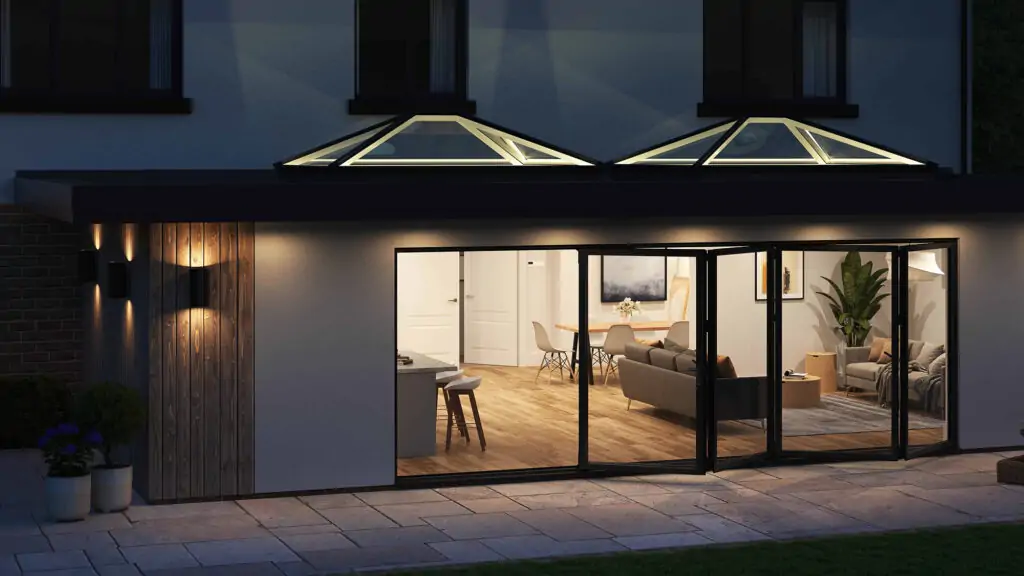
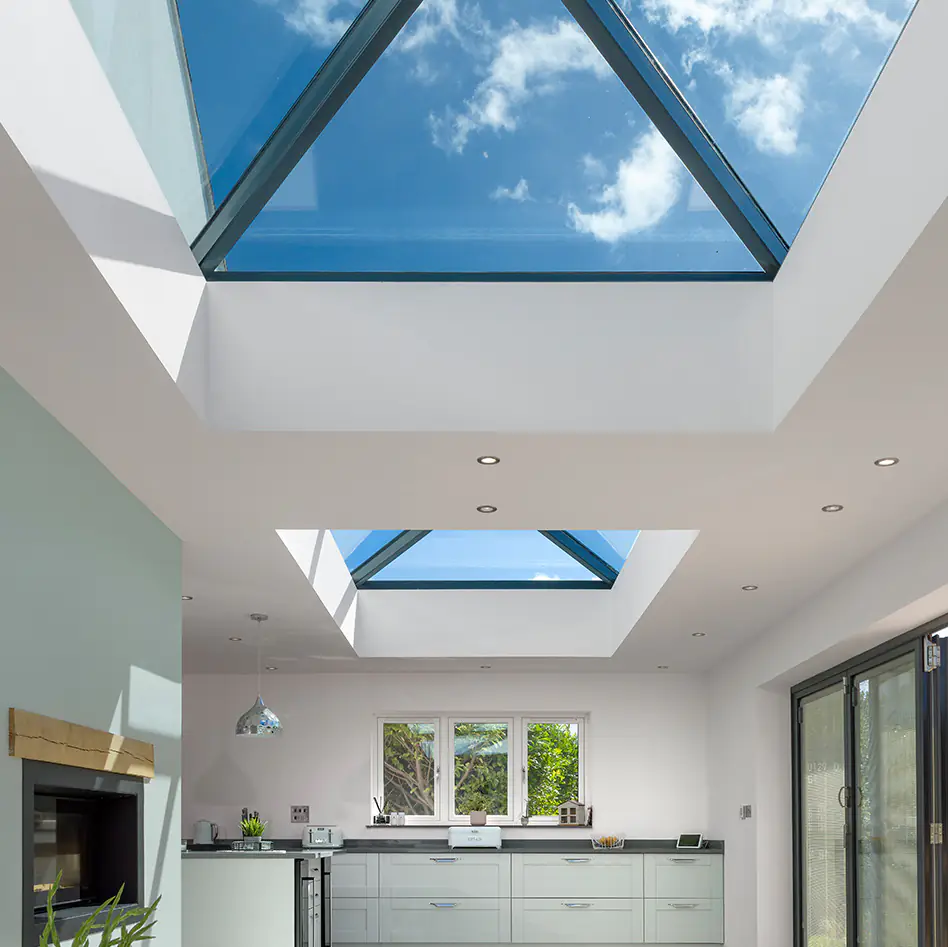


A busy site cannot wait while you chase prices, recheck sizes or search for the right technical document. When you apply for a trade glazing account, you create a more practical route to sourcing doors, windows, rooflights and glass products for the projects you manage every week.
For builders, installers, developers and contractors, the right supplier relationship is about more than a discount. It should help you specify with confidence, quote clients accurately and keep work moving from survey through to installation. A trade account can make that process clearer, particularly when projects involve bespoke sizes, multiple product types or demanding performance requirements.
Why apply for a trade glazing account?
Trade buyers are often balancing several priorities at once: a client’s design brief, a fixed budget, lead times, site access and the practical realities of installation. Ordering on an ad-hoc basis can work for the occasional replacement window, but it becomes inefficient when glazing is a regular part of your workload.
A trade glazing account is designed to give recognised trade customers a more commercially focused buying experience. Depending on the supplier and product range, this may include approved trade pricing, access to a wider choice of systems, technical information and support from people who understand how products need to perform on site.
The value is not simply in paying less. A competitive purchase price matters, but an incorrectly specified door, missing ancillary or unsuitable glazing option can cost far more in delays, return visits and client frustration. A good account setup gives you a clearer starting point before you commit to an order.
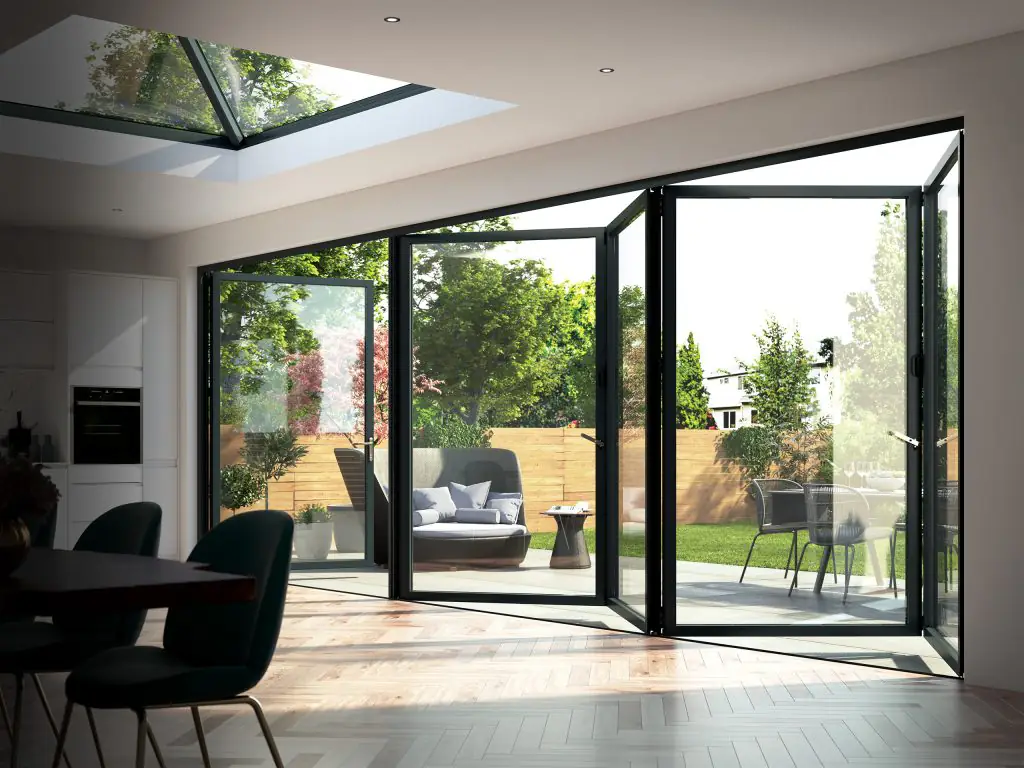
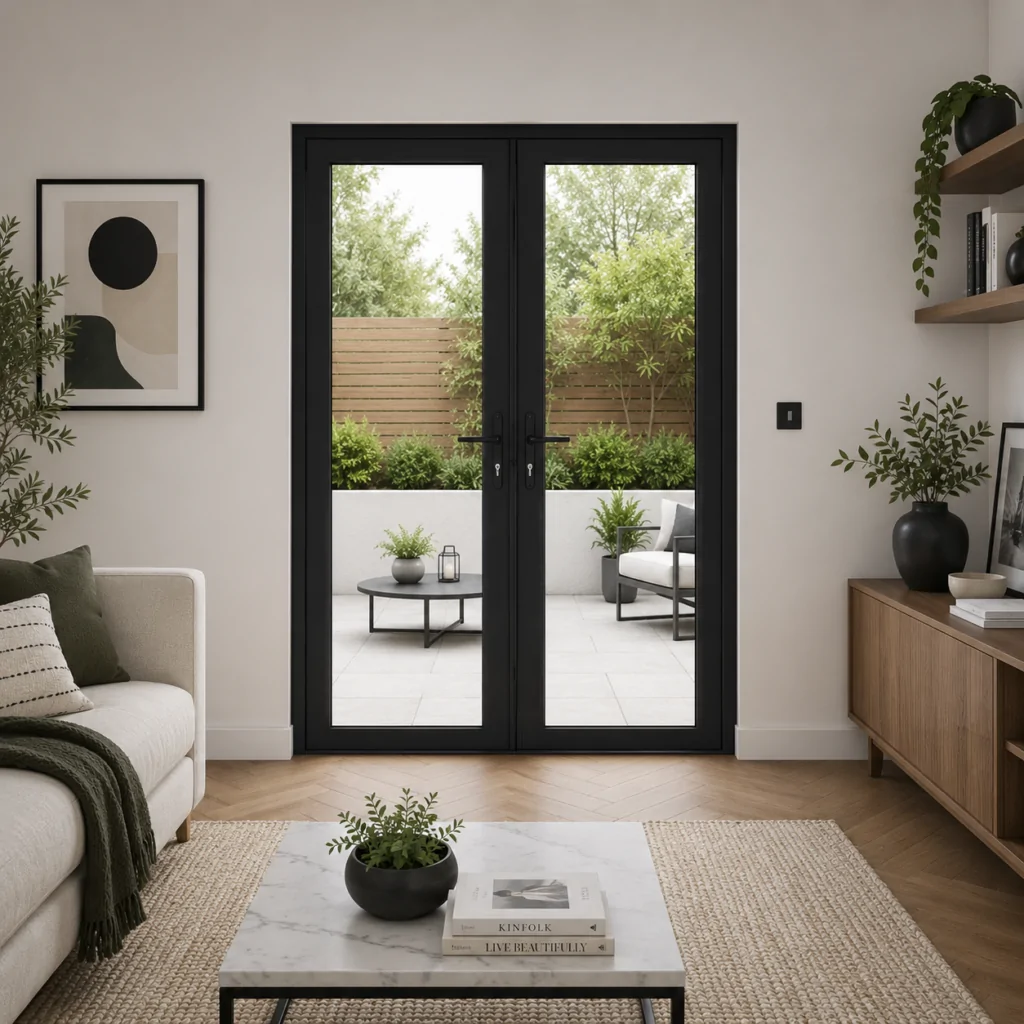
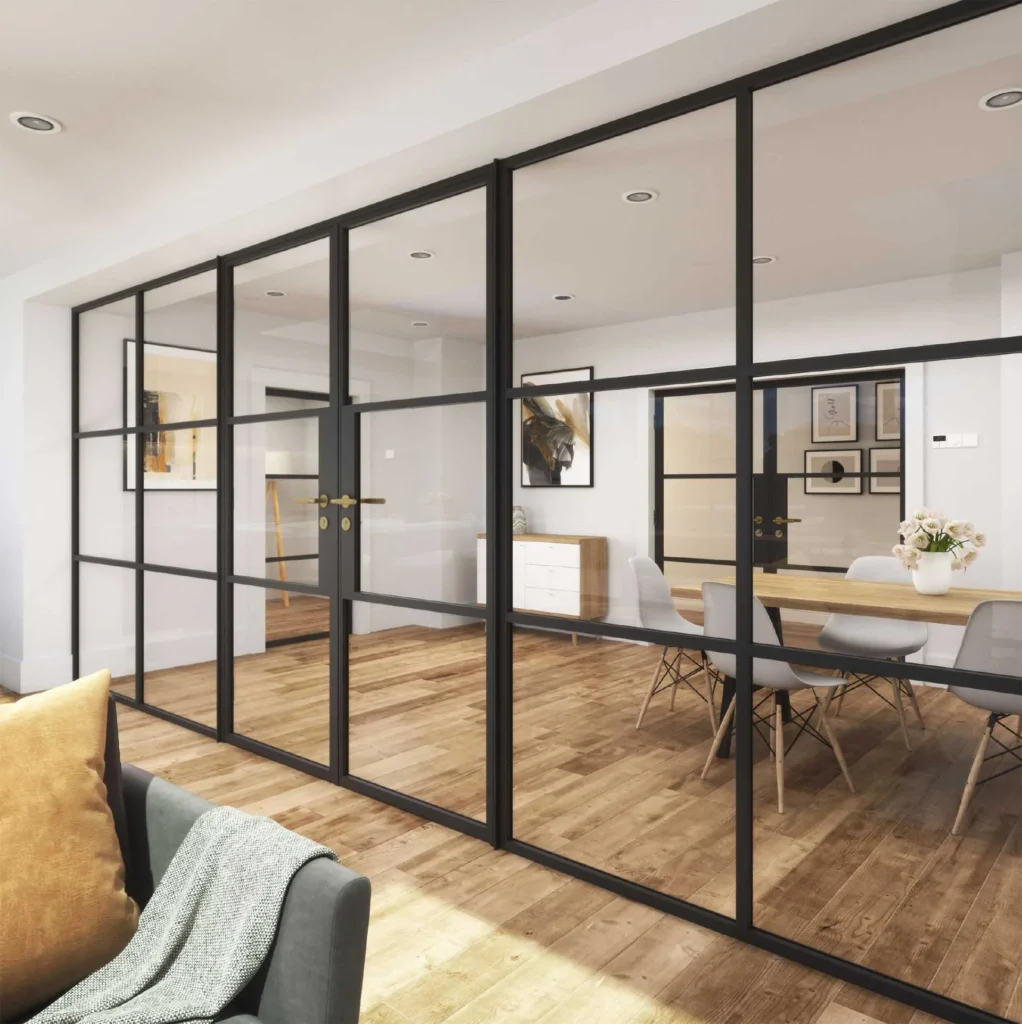
For businesses working across extensions, new builds, garden rooms and renovation schemes, it also creates consistency. You can return to a supplier that understands the types of product you need, whether that is an aluminium bifold door, a large sliding system, heritage-style door, roof lantern or made-to-measure window.
What a trade account should help you achieve
The best trade arrangements remove avoidable friction without taking control away from the installer or contractor. You still need to assess the opening, installation conditions and client requirements, but you should have the information and commercial support to make decisions faster.
Price projects accurately from the outset
Glazing is commonly one of the most visible elements of a build. Clients notice sightlines, frame colours, hardware, threshold details and how much natural light the finished space receives. It is therefore rarely a product category where a rough allowance is enough.
Account pricing can help you build more accurate quotations and protect margin as a project develops. It is particularly useful where you are pricing a number of options, such as comparing bifolds against sliding doors or considering a rooflight alongside a roof lantern. You can present choices that suit the brief without losing sight of the commercial outcome.
That does not mean the lowest-priced system is always the right choice. A larger opening may need a higher-performing configuration, particular glass specification or a system with appropriate panel limits. Matching the product to the project remains the priority.
Specify with fewer assumptions
Premium glazed systems are configurable by nature. Frame material, colour, glass, opening arrangement, threshold, hardware and dimensions can all affect price, appearance and performance. A trade account should make it easier to access the drawings, product details and guidance needed before ordering.
This is especially valuable for projects where the specification needs careful coordination with steelwork, flooring levels, drainage, roof build-up or structural openings. Taking time to check those details at the survey and design stage is far easier than trying to resolve them when the product reaches site.
Technical support is not a replacement for your own professional judgement. It is a useful second check when you are weighing up system suitability, installation requirements or the best configuration for a client’s plans.
Source across more than one product category
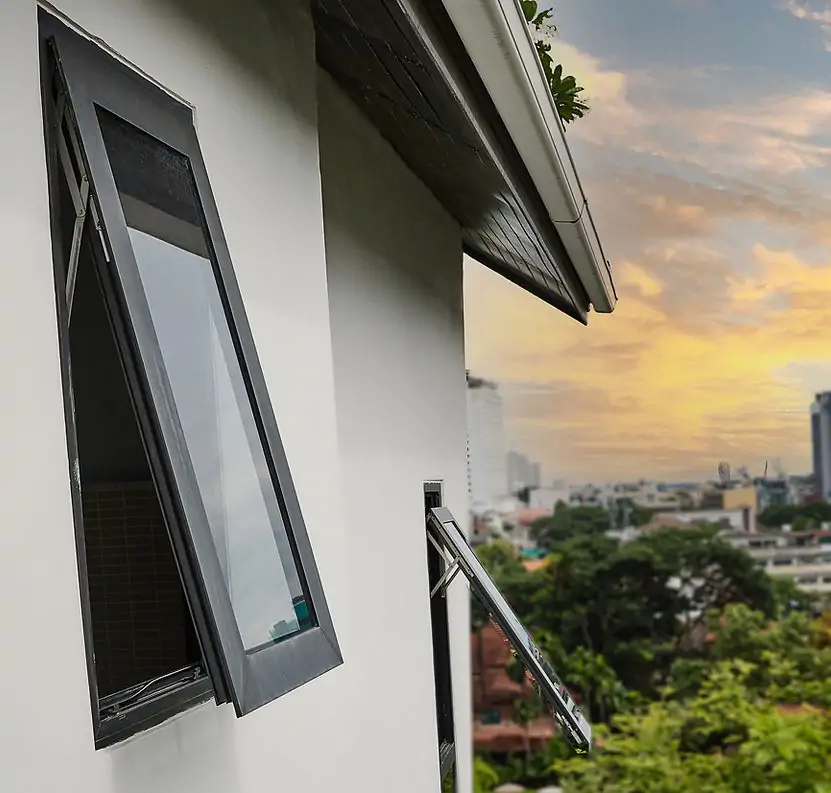
A typical residential project can include more than a feature door. The same extension may need aluminium windows, a roof lantern, flat rooflight and glass balustrade, while a whole-house renovation may call for a mixture of sliding doors, replacement windows and roof windows.
Working with a supplier that can support several categories can simplify procurement. It gives you a better chance of coordinating finishes and product choices, while reducing the number of separate orders to manage. Horizon Windows and Doors supplies a broad range of premium glazed products, helping trade customers source systems for both individual installations and larger programmes of work.
There are occasions when a specialist supplier for one niche product is the better fit. The key is to choose a trade partner based on the support, specification and supply reliability your project requires, rather than assuming one route suits every job.
How to apply for a trade glazing account
The application itself should be straightforward. Suppliers will usually ask for enough information to establish that you are buying in a genuine trade capacity and to set up the account correctly. Provide accurate details at this point, as they will shape how your business is recognised and supported in future.
You will generally be asked for your business name, contact details, trading address and the type of work you carry out. A builder specialising in extensions may purchase differently from a window installer, developer or joinery contractor, so a brief description of your business can be useful.
If you are applying for an account to support an upcoming project, it helps to have the broad requirements to hand. This could include the product categories you expect to buy, approximate opening sizes, project location and target installation period. You do not need every final detail before applying, but context allows more relevant assistance when you are ready to quote.
Once your application has been reviewed, confirm exactly what the account includes. Ask how trade pricing is applied, whether it covers the full range or selected products, and how you should request a quotation for bespoke configurations. It is also sensible to understand delivery arrangements before you commit, particularly for large glazed units, long profiles or sites with restricted access.
Get the details right before you order
Opening dimensions alone do not produce an installation-ready order. Before placing a final order, check the structural opening, finished floor level, access route and handling plan. Large doors and glazed units may require more than one pair of hands, appropriate lifting equipment or a clear storage area on site.
Confirm who is responsible for final measurements. If you have surveyed the project, record dimensions carefully and account for tolerances, packers and any required installation gaps. For roof products, check the roof construction and upstand requirements. For external doors, make sure threshold selection works with the proposed internal and external levels.
Glass specification deserves the same attention. Safety glazing, solar control, privacy, acoustic performance and thermal considerations can all affect the correct choice. The ideal solution depends on orientation, exposure, building use and the client’s priorities. A south-facing garden room with expansive glazing may need a different conversation from a shaded side extension.
Finally, manage client expectations around lead times. Bespoke glazing is made to order, and changes after production begins may not be possible. A clear sign-off process protects you, your customer and the programme.
Make the account work for your business
A trade account delivers the strongest value when it becomes part of a repeatable buying process. Save product preferences where possible, keep survey records organised and use technical documentation early rather than treating it as a final check. That approach helps you quote with greater confidence and reduces pressure once a project is live.
It is also worth reviewing each project on its own merits. A competitive account price is useful, but the best result comes from selecting a system that looks right, performs well and can be installed properly within the available programme and budget.
Apply for a trade glazing account when you are ready to make your sourcing more consistent. With clear specifications, reliable support and products suited to the build, you can spend less time resolving avoidable issues and more time delivering a finish your clients will be pleased to recommend.