A window can look excellent in a showroom and still be the wrong choice for your project. A slim black frame may suit a contemporary extension, while a wood-effect profile could be a better fit for a period property. Knowing how to compare window frame materials means looking beyond the finish and asking how each option will perform in your home, within your budget and over the years ahead.
For most UK projects, the decision comes down to aluminium, uPVC or timber. Each has a valid place. The right answer depends on the opening size, architectural style, exposure to weather, glazing specification, maintenance expectations and the result you want to achieve.
Start with the role of the window
Before comparing materials, define what the window needs to do. A small bathroom casement has different priorities from a large fixed window beside bifold doors or a bay window at the front of a home.
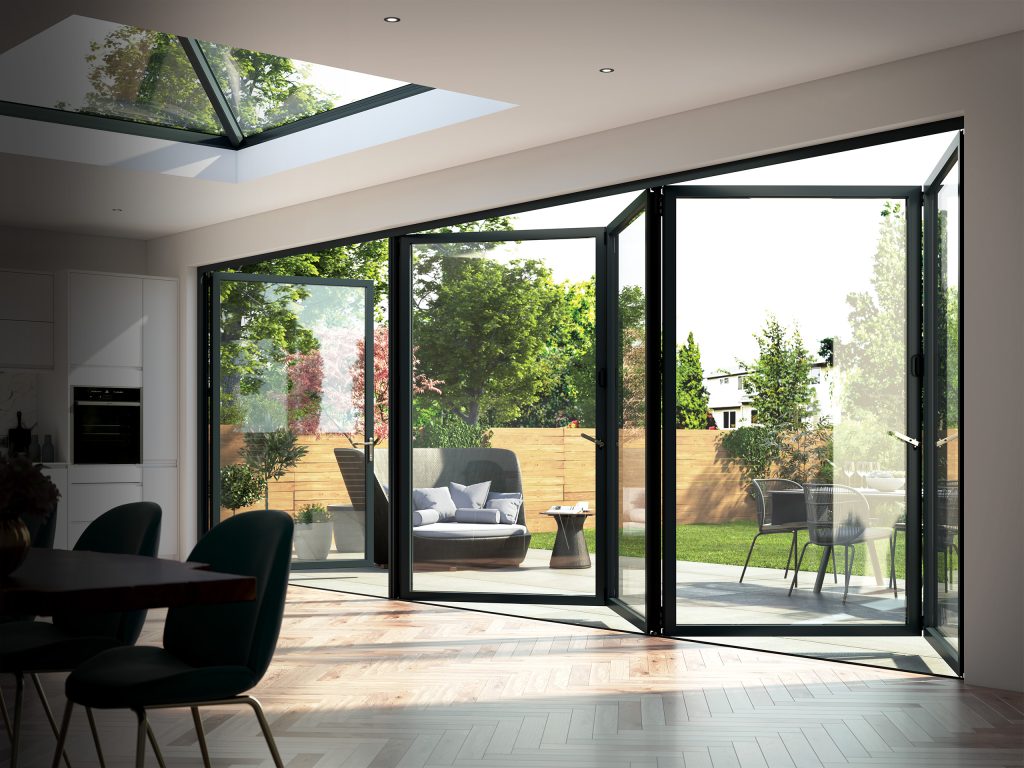
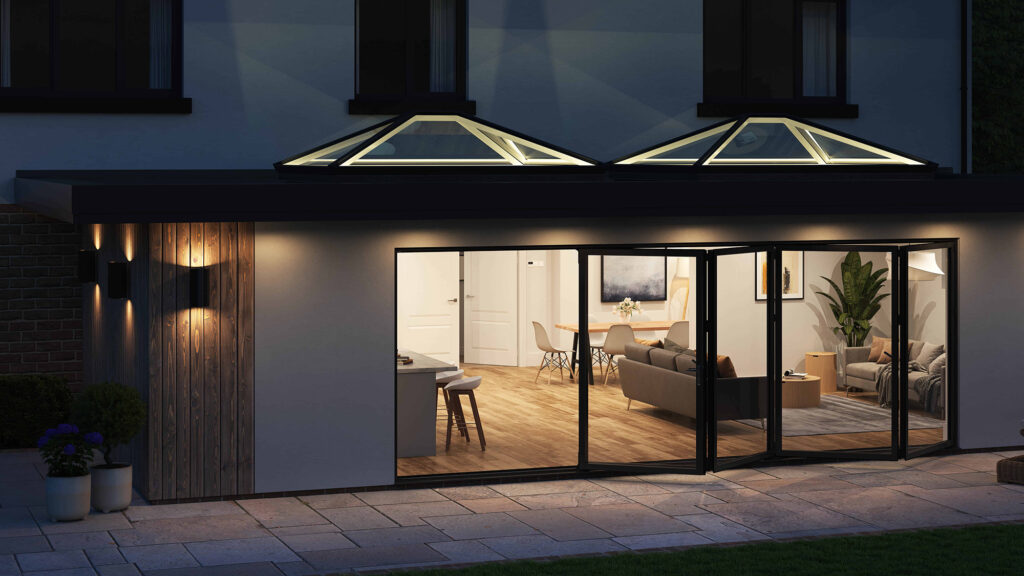
For an extension, garden room or modern renovation, you may want slimmer sightlines to maximise glass and bring in more natural light. Aluminium is often the strongest candidate here because it can support larger glazed areas with relatively narrow frames. For a practical whole-house replacement project, uPVC can provide strong thermal performance and excellent value in a wide range of styles.
If you are renovating a cottage, listed-style home or a property where traditional detailing matters, timber can offer an authentic depth and character that other materials are designed to replicate rather than replace. Planning requirements, conservation area guidance and the existing appearance of the property should all be considered early.
How to compare window frame materials by performance
The frame material matters, but a window works as a complete system. Glass specification, spacer bars, seals, opening style, installation quality and the size of the glazed unit all affect the final result. Compare like for like wherever possible, rather than judging a material from one headline figure.
Thermal efficiency and warmth
Ask for the whole-window U-value, not simply the centre-pane value of the glass. This shows the heat loss across the glass, frame and edge of the unit together, giving a more useful picture of real-world performance.
Modern uPVC windows are naturally insulating and can achieve very competitive whole-window U-values. Multi-chambered profiles help reduce heat transfer, making them a popular choice for homeowners focused on comfort and running costs.
Aluminium conducts heat more readily, but quality modern systems use a thermal break within the profile. This separates the internal and external sections of the frame and greatly improves insulation. A properly specified thermally broken aluminium window can perform very well, particularly when paired with high-performance double or triple glazing.
Timber is also a natural insulator. Its performance depends on the species, profile design, glazing and ongoing condition of the coating. Well-made timber windows can deliver excellent comfort, but they require more care to protect that performance over time.
Strength, sightlines and opening sizes
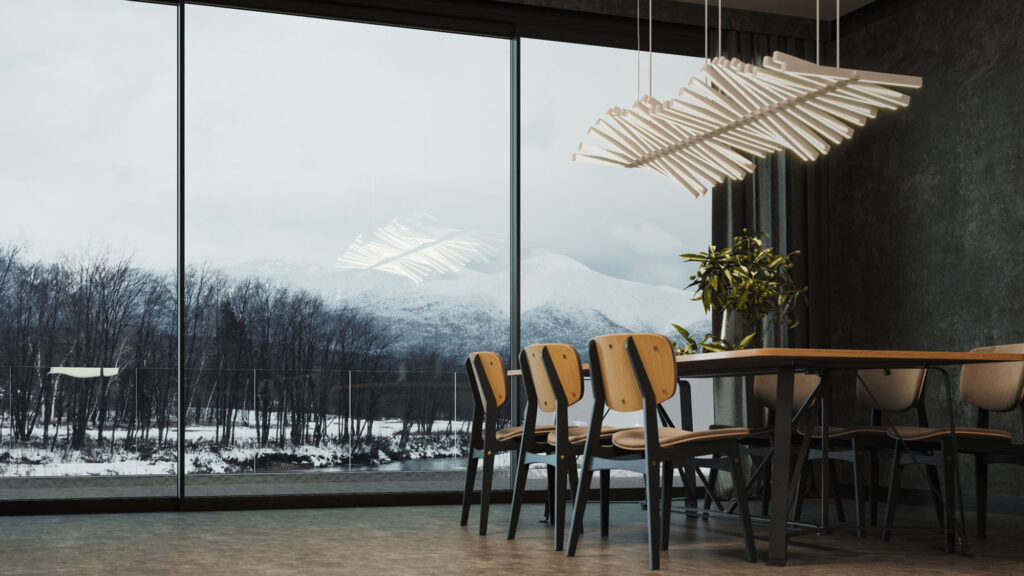
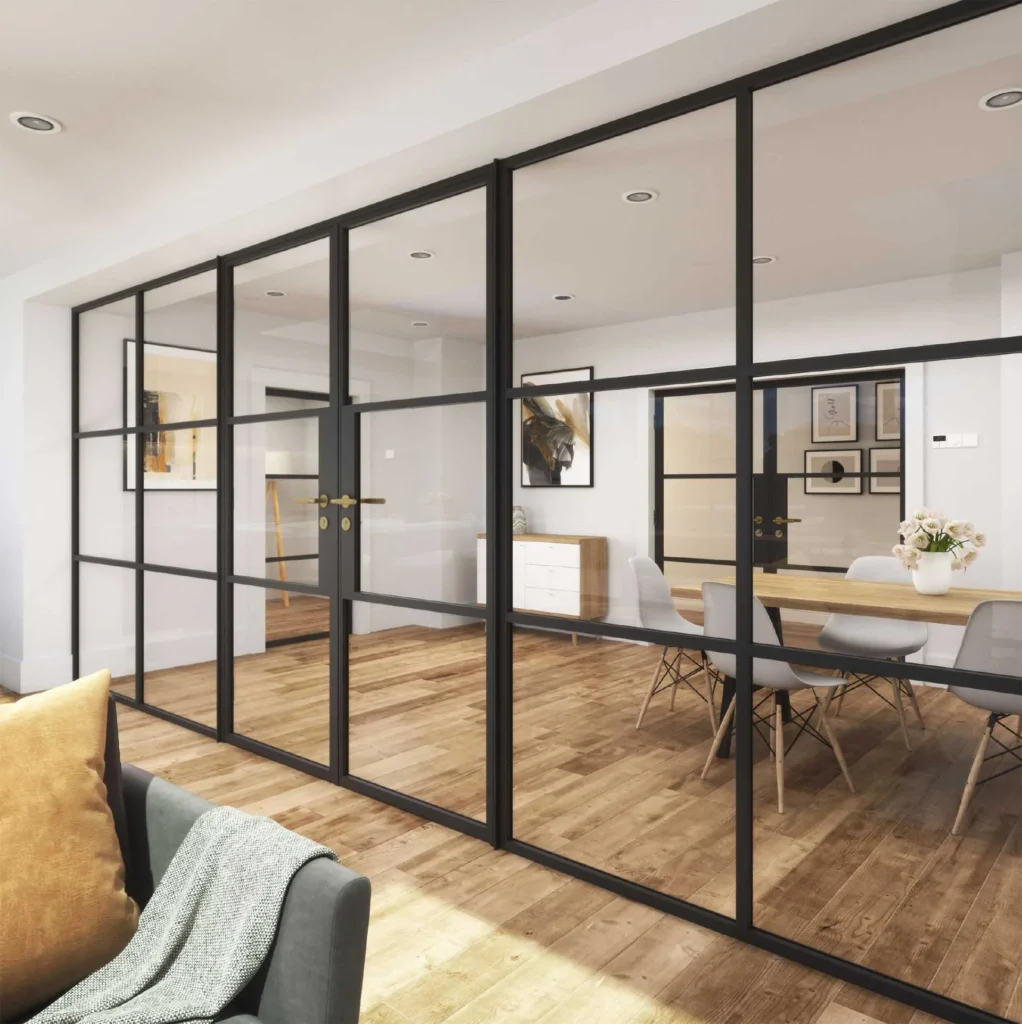
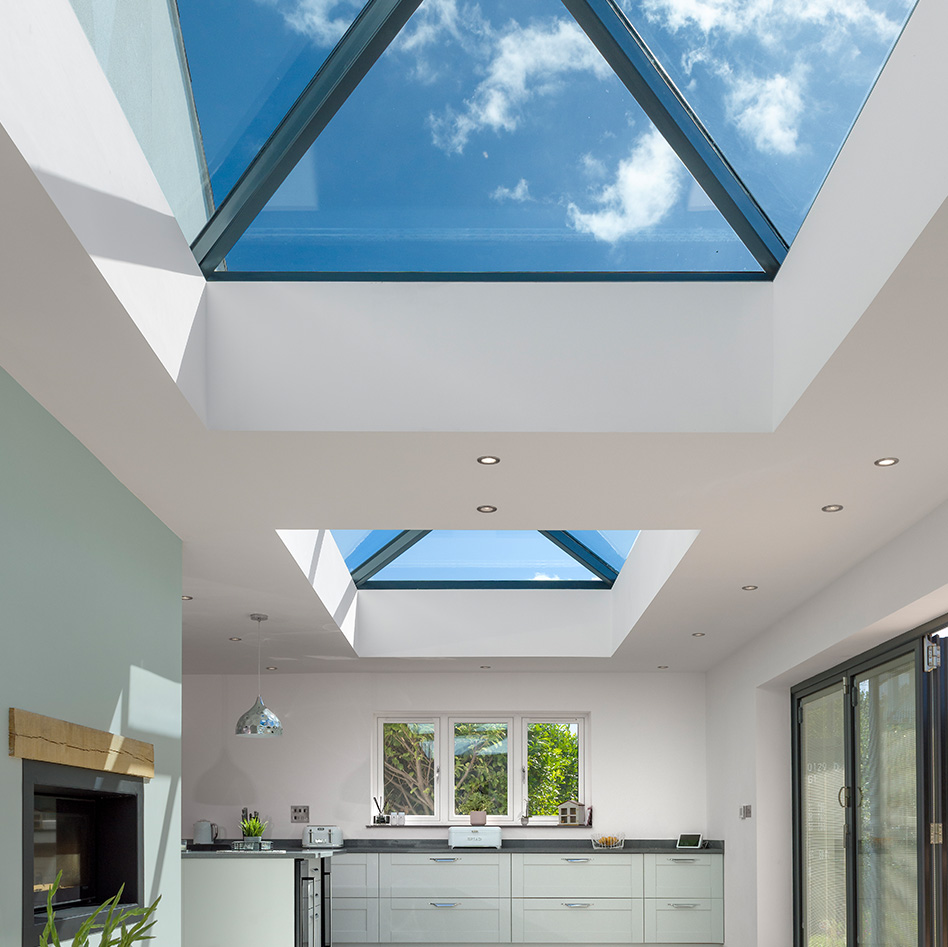
Aluminium is particularly strong for its weight. That strength allows for slender frames and larger panes, making it well suited to feature windows, corner glazing and contemporary elevations where you want to maximise light and views.
uPVC frames are generally thicker than aluminium profiles, especially on wider openings. This is rarely an issue for standard casement, tilt-and-turn or bay windows, but it can influence the appearance of larger fixed panes. Reinforcement may be used where needed, so check the proposed configuration rather than assuming every uPVC window will look the same.
Timber provides good structural strength and can be crafted into elegant traditional proportions. It is especially effective for flush casements, sliding sash windows and heritage-style designs. However, very large or highly exposed openings may need careful specification to manage movement caused by changing moisture levels.
Weather resistance and durability
All three materials can be long-lasting when the product is well manufactured, correctly installed and suited to its environment. The differences are in how they respond to weather and what care they need from you.
Aluminium does not rot, swell or warp, and powder-coated finishes are highly durable. It is a strong choice for exposed locations, modern extensions and busy households looking for low-maintenance performance. Check the quality of the coating and the warranty offered, particularly for properties near the coast where salt-laden air can be more demanding.
uPVC is also low maintenance and does not require painting. A quality profile will stand up well to everyday British weather, although lower-grade products can discolour or become less attractive over time. Colour and foil finishes offer more design flexibility than the white uPVC of the past, but it is worth viewing samples in daylight before choosing.
Timber needs the most attention. Painted or stained finishes should be inspected regularly and refreshed when required to prevent moisture getting into the wood. This does not make timber a poor investment. It simply means its classic appearance comes with a maintenance commitment that should be realistic for the property owner.
Compare the appearance from inside and out
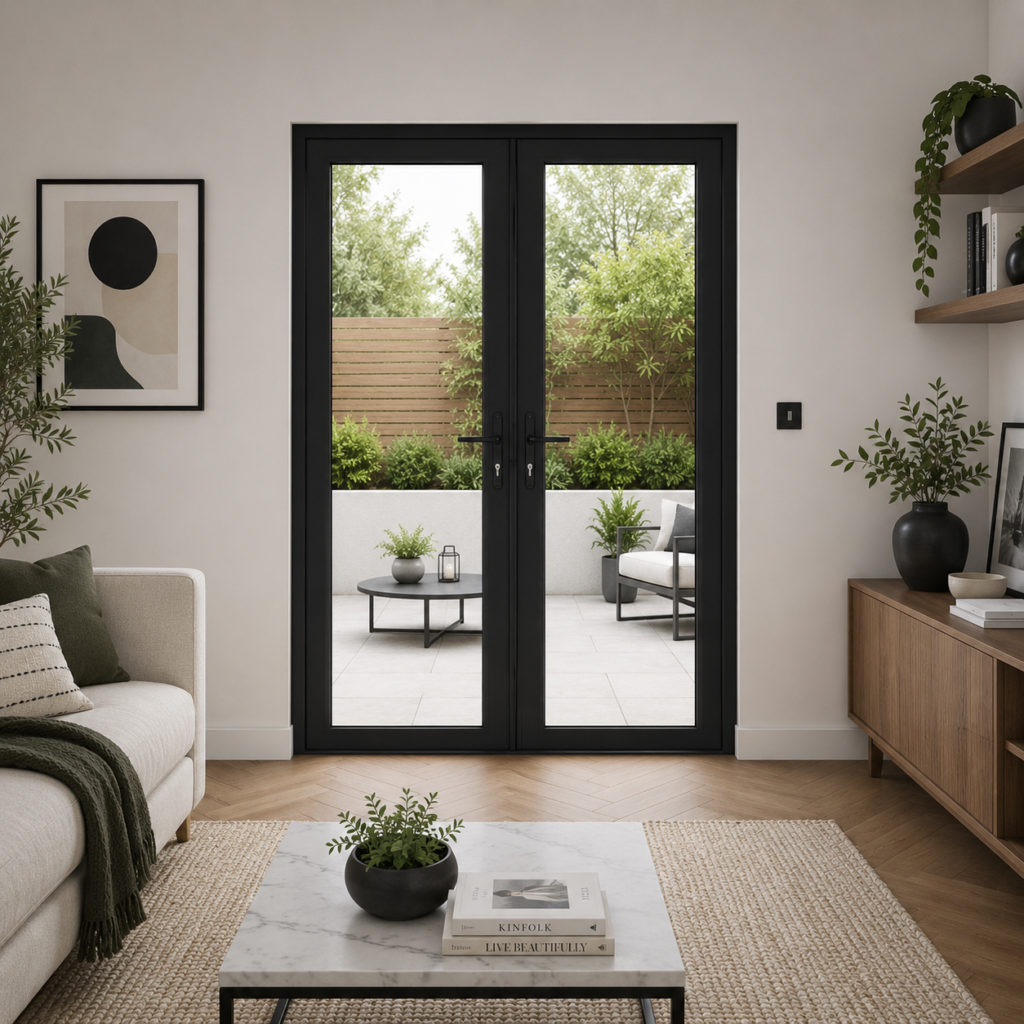
Frame material changes the character of a room as much as the exterior of the building. Aluminium suits clean lines, large glass areas and a modern architectural look. Anthracite grey, black and bespoke powder-coated colours are popular, while dual-colour options can give a different finish internally and externally.
uPVC is now available in a much broader palette, including smooth colours and realistic woodgrain effects. Flush sash designs can work well on traditional homes where a standard stepped casement would look out of place. It remains a sensible option when you want a neat, familiar finish without stretching the budget.
Timber has visual warmth that is difficult to reproduce exactly. Natural grain, painted finishes and detailed mouldings can make it the standout choice for character homes. On the other hand, timber is not automatically the best option for every older property. A carefully chosen flush uPVC or aluminium heritage-style window may deliver the look you need with lower maintenance and a different price point.
Price: compare lifetime value, not just the quote
uPVC is usually the most cost-effective entry point, particularly for standard-sized replacement windows. It can offer an impressive balance of thermal efficiency, low maintenance and choice of finish.
Aluminium typically costs more upfront because of the material, engineering and premium finish. The additional spend can be justified where slim sightlines, larger glazing areas, colour choice and durability are central to the design. It is often a considered upgrade rather than a necessary one for every opening.
Timber pricing varies widely by species, finish, detailing and whether the windows are made to bespoke dimensions. It may have the highest initial cost, especially for traditional joinery, and maintenance should be allowed for in the long-term budget.
When reviewing quotations, confirm whether they include glazing, trickle vents where required, handles, cills, delivery, installation and any removal of existing windows. A lower figure is not necessarily better value if the specification is incomplete or less suited to the building.
Do not overlook security, ventilation and glazing
The material does not determine security on its own. Quality locking hardware, hinge protection, toughened or laminated glass where appropriate, and a secure installation are equally significant. Ask how the selected window is tested and what locking arrangement is included as standard.
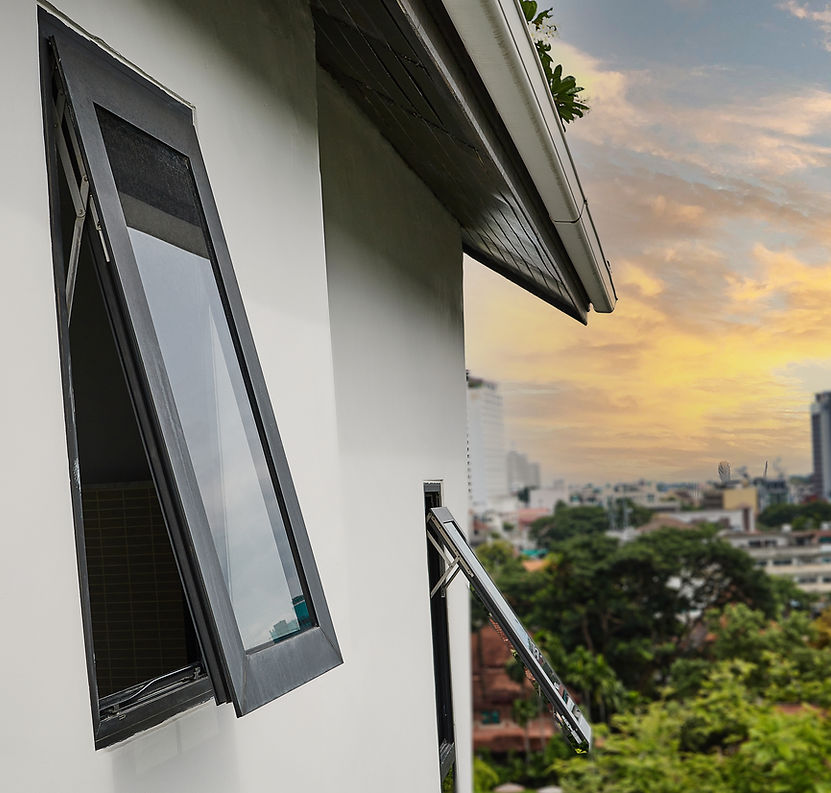
Ventilation is another practical consideration. Building Regulations may require background ventilation, often provided through trickle vents, particularly in replacement window projects. Discuss where these will be positioned and how they affect the appearance of the frame. Opening configurations also matter: top-hung openings suit controlled ventilation, while tilt-and-turn windows can offer flexible everyday use and easier cleaning on upper floors.
Finally, choose the glass for the room. Privacy glazing can suit bathrooms and street-facing spaces, solar-control glass can help manage heat in highly glazed south- or west-facing rooms, and acoustic glazing may be worthwhile near busy roads. The best frame choice can still underperform if the glass package is not right for the location.
A practical way to make the final decision
Narrow the shortlist by matching each material to the project priority. Choose aluminium when light, large openings and a refined contemporary finish lead the brief. Choose uPVC when you want dependable performance, low upkeep and excellent value across standard window sizes. Choose timber when authentic character and traditional detailing are worth the additional care.
Then compare actual system drawings, frame samples and whole-window performance figures in the same configuration. This is especially useful when matching windows with sliding or bifold doors, where sightlines, colours and handle finishes need to work together. Horizon Windows and Doors can help homeowners and trade customers review these details before they commit to a specification.
The strongest choice is the one that suits the building, not the one with the loudest claim. Get the key details confirmed before ordering, and your new windows will brighten the home, improve comfort and look right for many years to come.