



Traffic starting before dawn, aircraft overhead, late-night deliveries or a neighbour’s garden project can quickly change how a room feels. The best windows for noise reduction do more than make a property quieter: they make bedrooms more restful, home offices easier to use and living spaces more comfortable all year round.
The right answer is rarely simply “triple glazing”. Noise control depends on the full window specification, including glass thickness, the space between panes, frame construction, opening style and, crucially, installation. For a home beside a busy road, rail route or town centre, choosing each of these details carefully delivers a far better result than selecting a window on pane count alone.
What makes a window effective at reducing noise?
Sound travels through vibrations in the air. A window reduces this transfer by adding mass, creating separate barriers and sealing every potential route around the frame. Glass does much of the work, but gaps around a sash, poorly fitted trims and background ventilators can undermine an otherwise excellent specification.
Acoustic performance is commonly shown as an Rw rating, measured in decibels (dB). A higher figure generally means more sound is blocked. However, it is worth checking exactly what has been tested. A glazing unit’s rating is not automatically the rating of the completed, installed window. For a meaningful comparison, ask for the performance of the whole window system wherever possible.
Noise itself matters too. Low-frequency sounds, such as heavy lorries, bass and aircraft, are more difficult to control than higher-pitched voices or tyre noise. A window that performs well against general street noise may need a more specialist glazing build-up when the property is close to a railway or flight path.
Best windows for noise reduction: the key specification choices
The most effective acoustic windows combine asymmetric double glazing, high-quality frames and airtight seals. Here is where each component earns its place.
Choose laminated acoustic glass for difficult locations
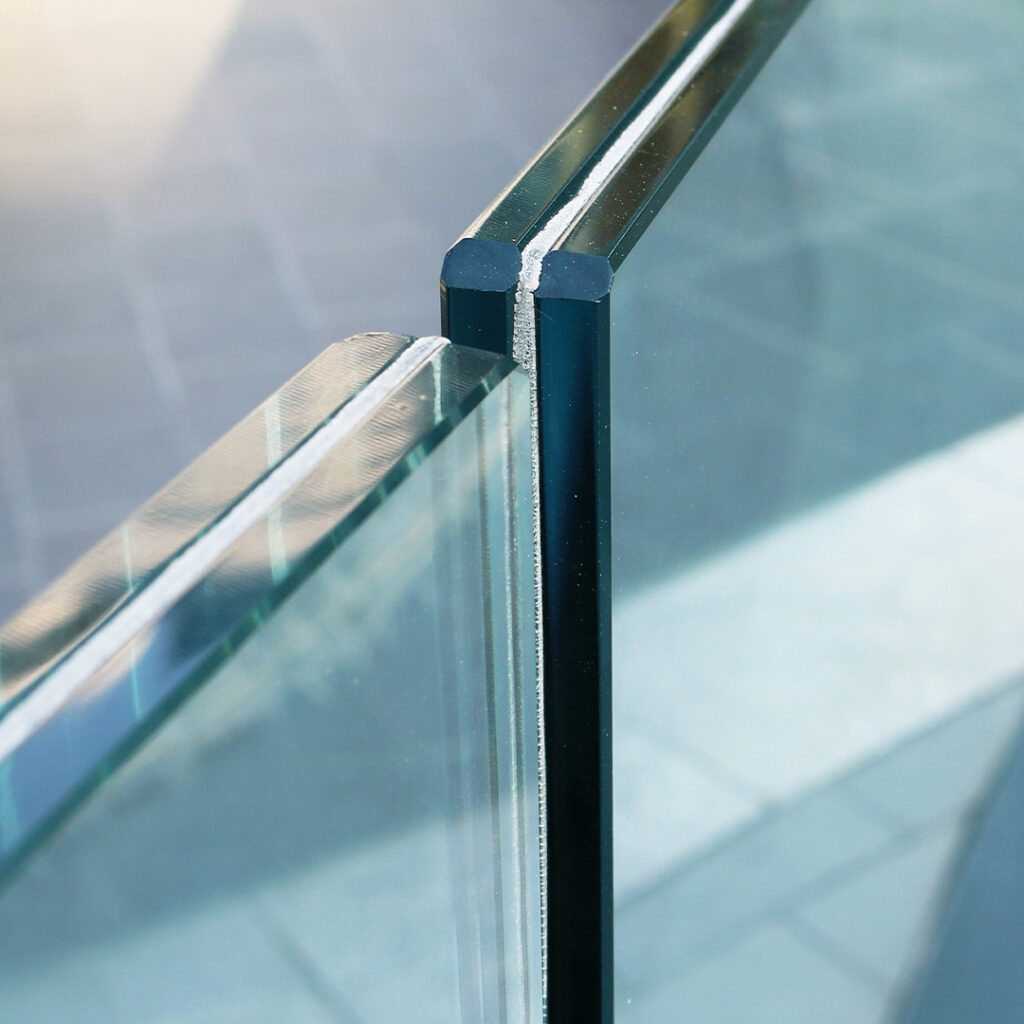
Laminated glass consists of two panes bonded with an acoustic interlayer. That interlayer helps dampen vibration as sound passes through the glass, making it especially useful for busy roads, schools, town centres and properties near transport routes. It also brings an added security benefit, as the interlayer helps hold the glass together if broken.
For stronger results, laminated glass is often used as part of a double- or triple-glazed unit rather than on its own. The optimum build-up depends on the noise source and window size. Larger panes can be more prone to vibration, so they may benefit from a specification tailored to the opening rather than a standard unit.
Use different glass thicknesses, not matching panes
A common misconception is that thicker glass on both sides of a unit is always best. In practice, two panes of identical thickness can allow certain sound frequencies to resonate. Asymmetric glazing uses different glass thicknesses, such as a thicker outer pane with a thinner inner pane, to disrupt that effect.
This is one of the most useful upgrades for acoustic performance. A quality double-glazed unit with asymmetric laminated glass can outperform a standard triple-glazed unit in some real-world situations, particularly where road noise is the main issue.
Specify a wider cavity where the system allows
The gap between panes is another acoustic barrier. A larger cavity can improve noise reduction because the panes are less likely to transmit vibrations directly between each other. The gain is not unlimited, though: very wide cavities are not always practical within standard window profiles, and thermal performance must remain part of the decision.
For many homes, a well-designed double-glazed unit with an appropriate cavity and acoustic glass is an excellent balance of performance, cost and sightlines. Triple glazing adds a third barrier, but its narrow individual cavities can limit acoustic gains unless the unit has been designed specifically for sound control.
Prioritise airtight seals and secure closing
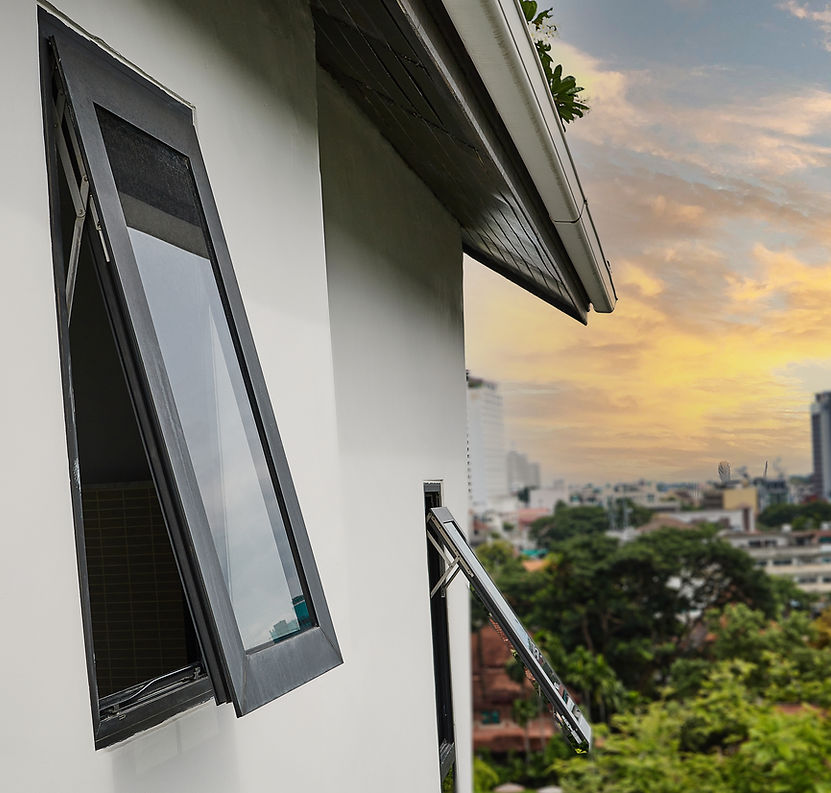
Sound finds small gaps surprisingly easily. Compression seals around the opening sash, a properly aligned locking mechanism and careful installation are as important as the glass. Casement windows, tilt-and-turn windows and fixed panes can all provide very good acoustic performance because they close tightly against seals.
Sliding sash and sliding windows can also be specified to perform well, but their seals and hardware deserve close attention. If your priority is a quiet bedroom facing a road, compare whole-window acoustic data rather than assuming one style is automatically better than another.
Double glazing or triple glazing for a quieter home?
Double glazing is often the sensible starting point. A high-performance double-glazed window with laminated, asymmetric glass and good seals can substantially reduce outside noise while keeping frame depths and costs manageable. It is particularly suitable for typical urban road noise and residential streets.
Triple glazing can be a strong choice where you also want maximum thermal performance, especially for new builds or comprehensive renovations. However, standard triple glazing is principally designed to improve insulation. Three equal panes do not necessarily make it the best option for noise.
If noise is the leading concern, ask for an acoustic glazing specification rather than choosing triple glazing by default. The best arrangement may be acoustic laminated glass in a double-glazed unit, or a purpose-designed triple-glazed unit with varied pane thicknesses. This is a specification decision, not a one-size-fits-all upgrade.
Which frame material is best for acoustic windows?
Frame material contributes to the result, but design, seals and fitting tend to have a greater impact than whether the frame is uPVC or aluminium.
Modern uPVC windows are a practical, value-led option for many homes. Multi-chambered profiles and quality gaskets help create a well-insulated, tightly sealed frame. They are available in a broad choice of styles and finishes, including flush sash designs for a more traditional appearance.
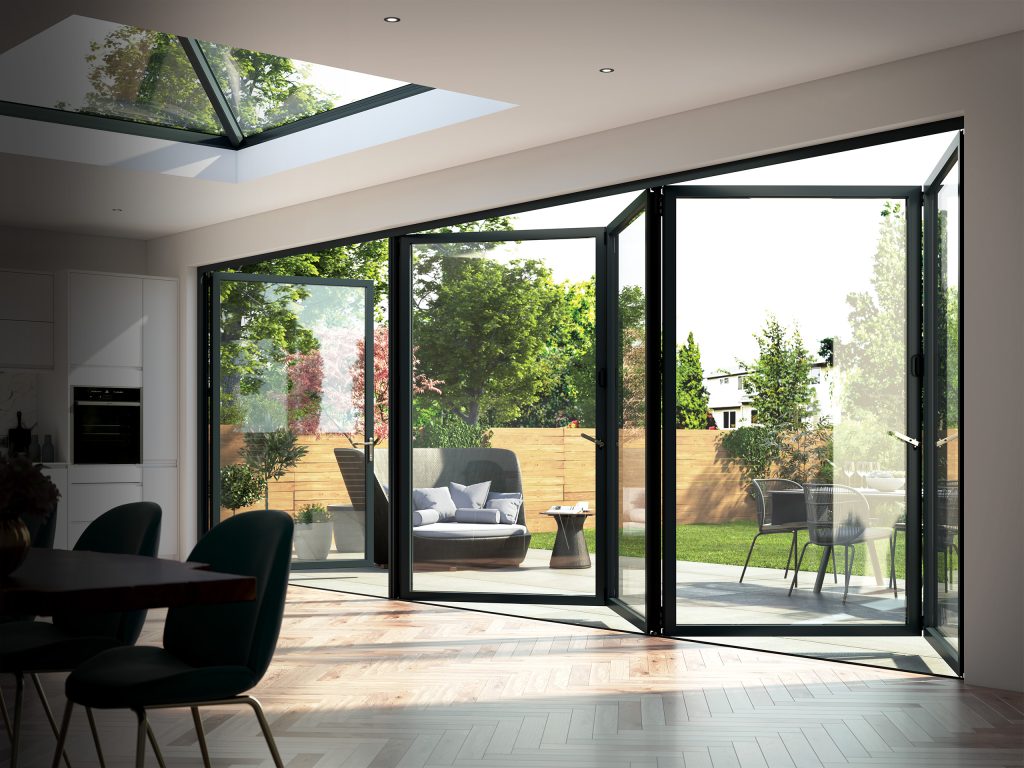
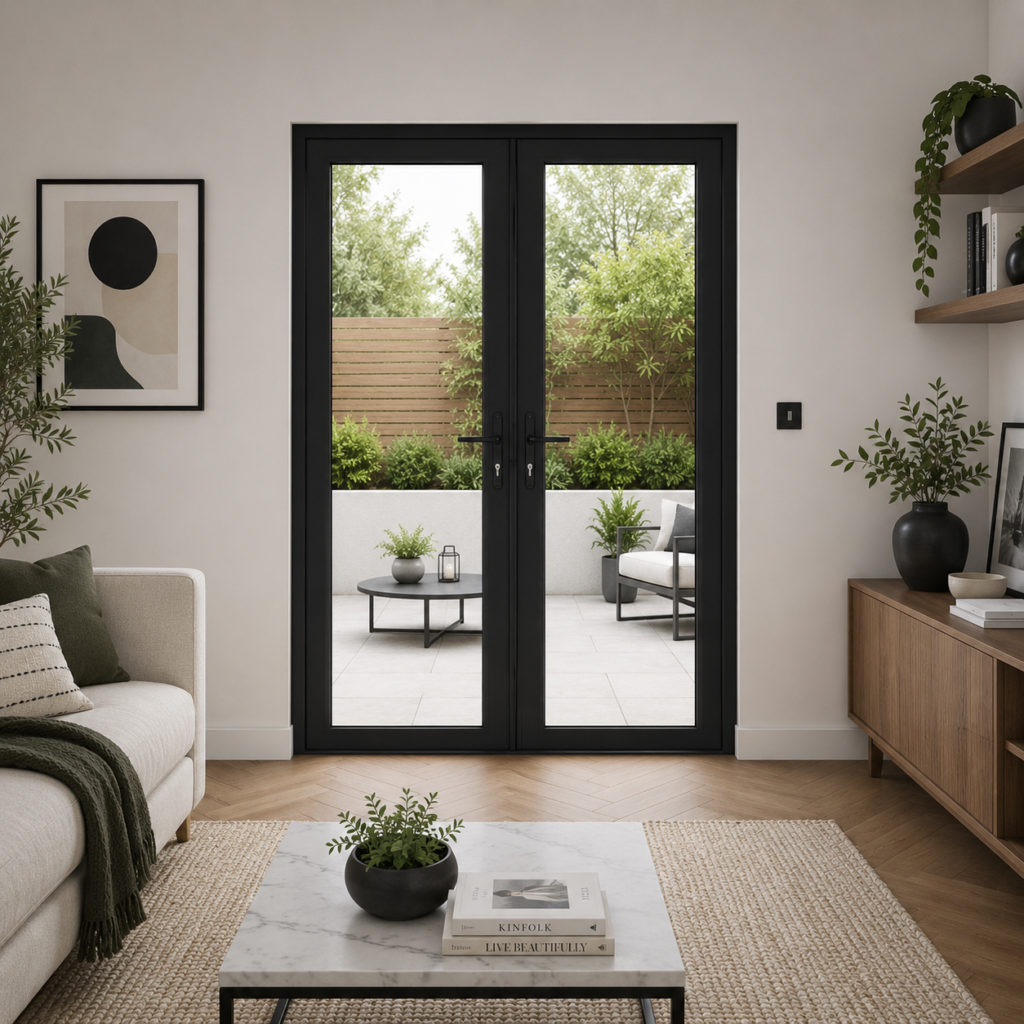
Aluminium windows are ideal where slim sightlines, larger glazed areas and contemporary styling are priorities. A thermally broken aluminium system paired with acoustic glazing can perform extremely well, while giving extensions, garden rooms and replacement projects a refined architectural finish. For exposed elevations with wide openings, the strength of aluminium can be particularly useful.
Timber and heritage-style systems may be the preferred route for period properties or conservation-led projects. In these cases, the appearance of the frame matters as much as the glass. A carefully detailed replacement can improve comfort without losing the character that made the property appealing in the first place.
Do not overlook trickle vents and installation
Background ventilation is a frequent weak point in noise-sensitive rooms. Building Regulations may require ventilation, so it should not simply be removed from the design. Instead, discuss acoustic trickle vents or alternative compliant ventilation approaches with your installer or project professional. A standard vent can let in enough sound to make the glazing upgrade feel underwhelming.
Installation is equally decisive. The window must be correctly packed, fixed and sealed to the opening, with no gaps behind trims or around the frame. In older homes, the surrounding wall, cavity closers and existing reveals may also affect results. If noise is severe, consider whether it is entering through walls, doors, roof spaces or chimneys as well as the windows.
For trade professionals, clear drawings, glazing data and accurate opening sizes help prevent last-minute substitutions that compromise the intended specification. For homeowners, this is a good reason to compare like for like rather than choosing solely on the headline price.
How to choose the right acoustic window specification
Start with the room and the sound source. A front bedroom beside a main road may need a different specification from a rear lounge facing occasional garden noise. Think about when the disturbance occurs, whether it is continuous or intermittent, and whether it is low-frequency.
Then consider the project as a whole. Replacement windows may need to match existing sightlines, planning requirements or a period façade. An extension may offer more freedom to choose aluminium frames, fixed glazing and larger units. Budget matters too: spending on upgraded glass and installation quality will often produce more value than paying for unnecessary features elsewhere.
Before ordering, request a clear proposed glazing build-up and whole-window acoustic performance where available. Check the opening configuration, ventilation approach, handle and locking arrangements, and whether the quoted price includes suitable installation materials. Horizon Windows and Doors can help homeowners and trade customers work through these choices, balancing acoustic performance with the look, energy efficiency and budget of the project.
A quieter home is built from details that work together. Specify the glass for the sound you actually hear, insist on secure seals and treat ventilation and fitting as part of the window, not afterthoughts. That approach gives you a result you will notice every time the room becomes a little calmer.