
A slim-framed steel-look door can make a new extension feel sharper and more architectural. A heritage-style door can do the opposite in the best possible way – softening a renovation, respecting original character and helping old and new parts of a property sit together. When comparing heritage doors vs modern doors, the right choice is rarely about which is better overall. It is about which is better for your property, your priorities and the way you want the finished space to feel.
For UK homeowners and trade buyers, that decision usually comes down to five things: appearance, thermal performance, maintenance, planning considerations and budget. Get those right and the door will not just look good on day one. It will work properly for years.
Heritage doors vs modern doors: what is the difference?
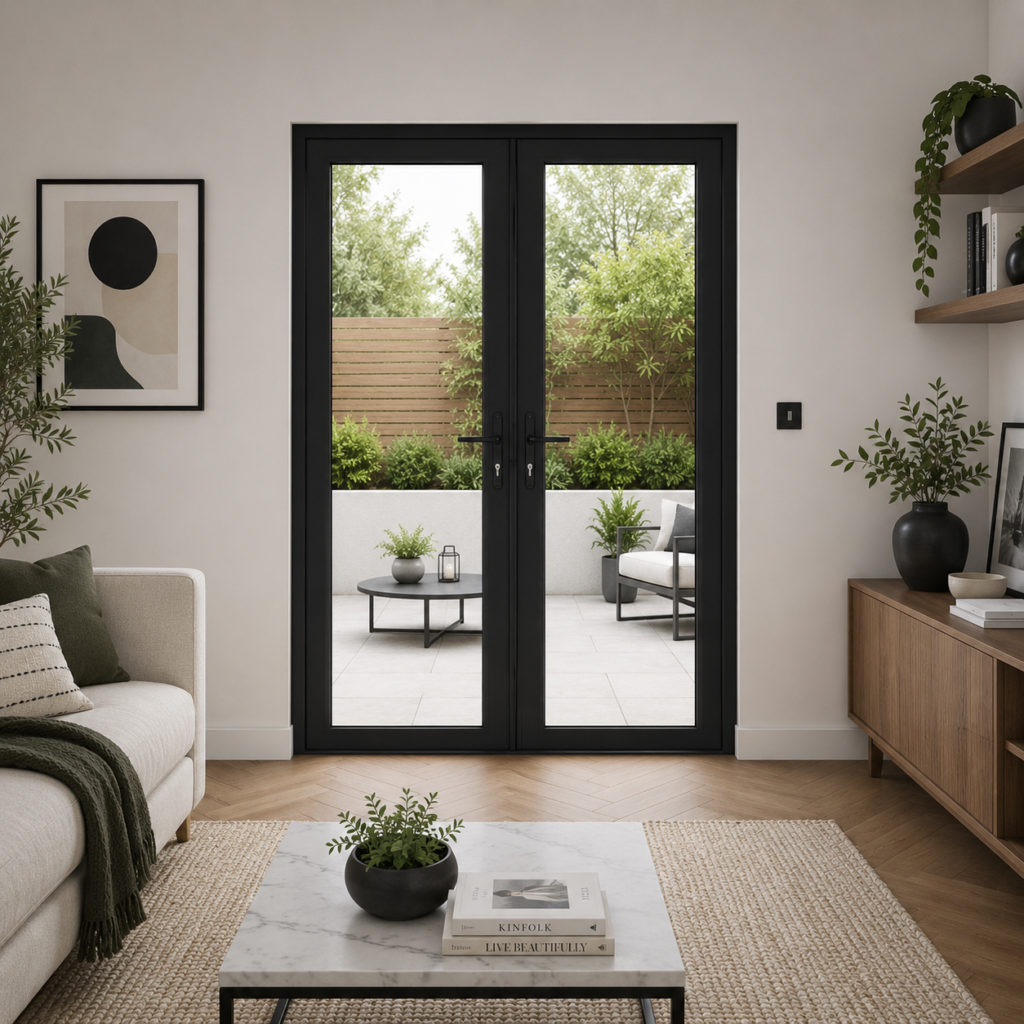
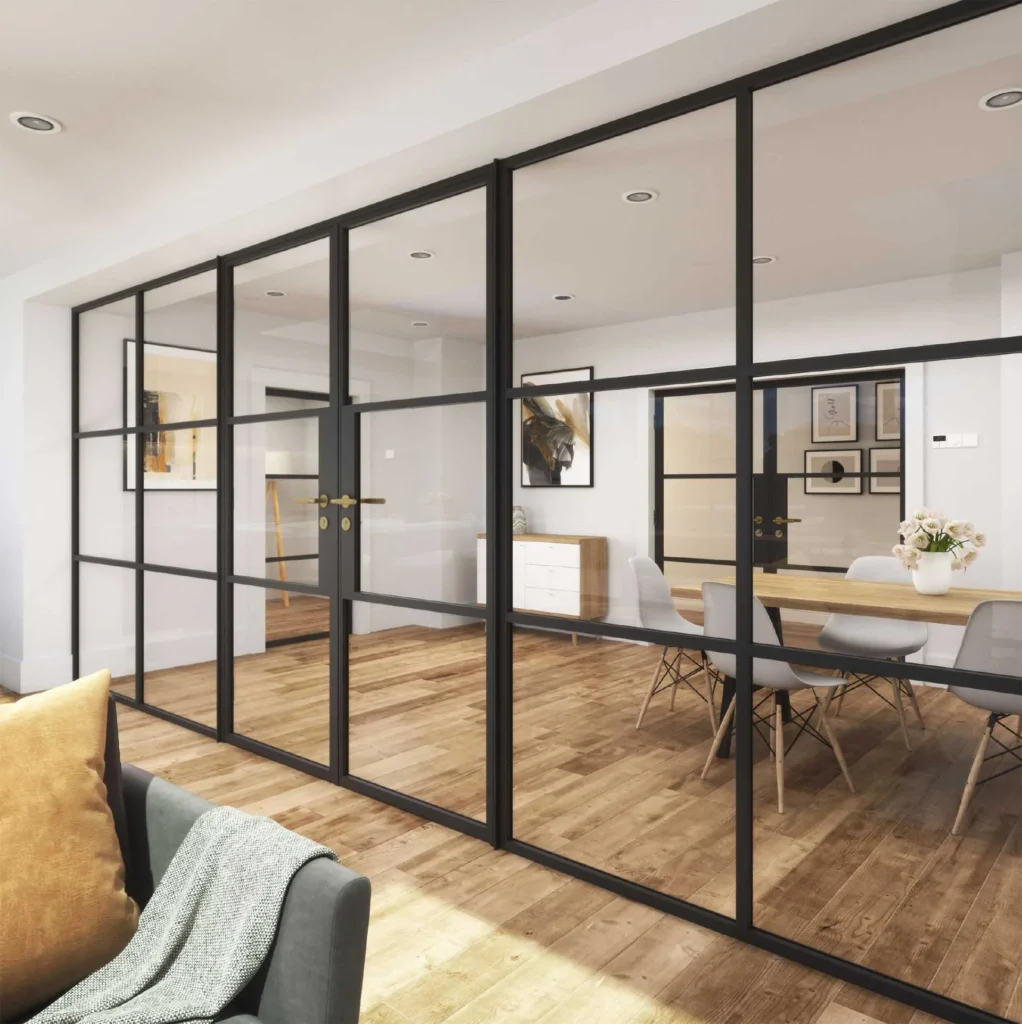
Heritage doors are designed to reflect traditional sightlines and period styling. That often means slimmer frames, glazing bars, a more refined profile and a look that suits Victorian, Edwardian, Georgian and industrial-inspired properties. In many cases, modern heritage systems use aluminium to recreate the appearance of traditional steel doors, which gives you the visual character without the same maintenance demands.
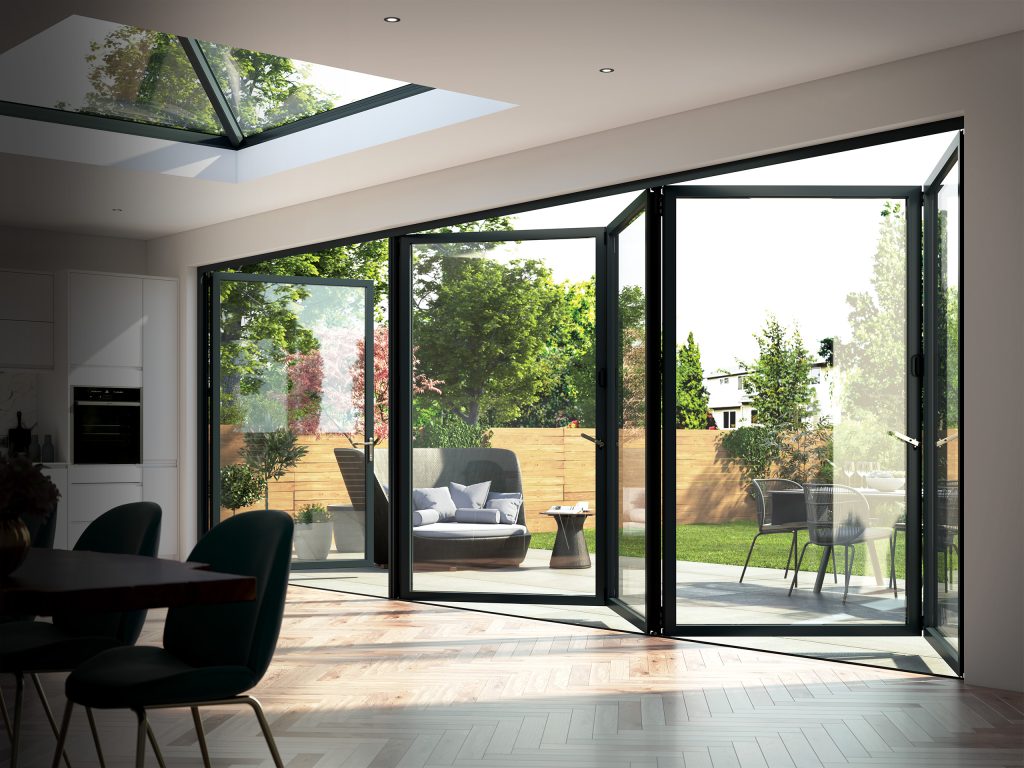
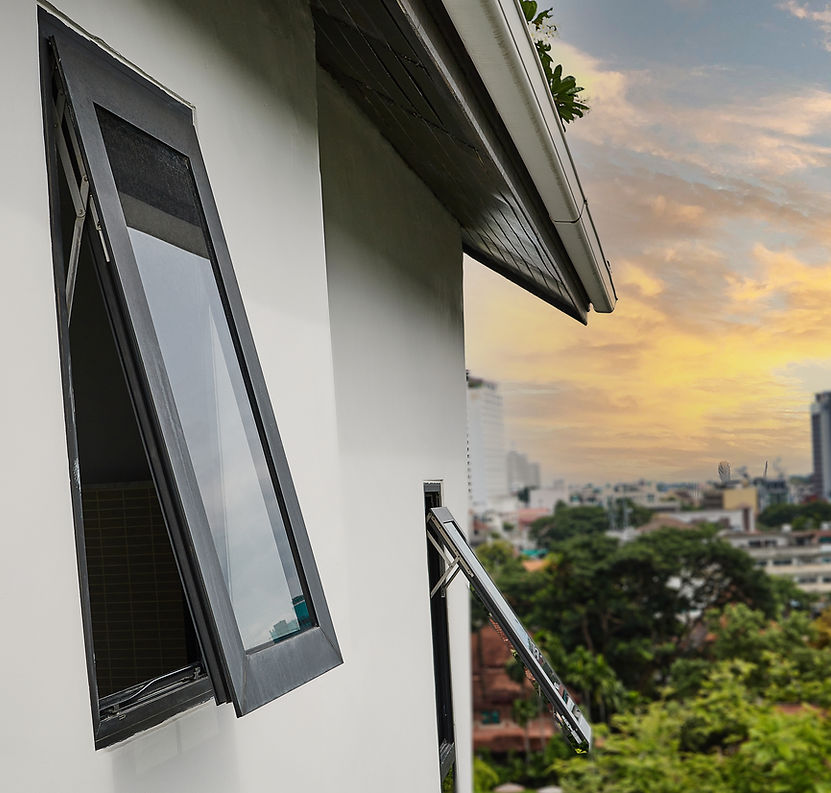
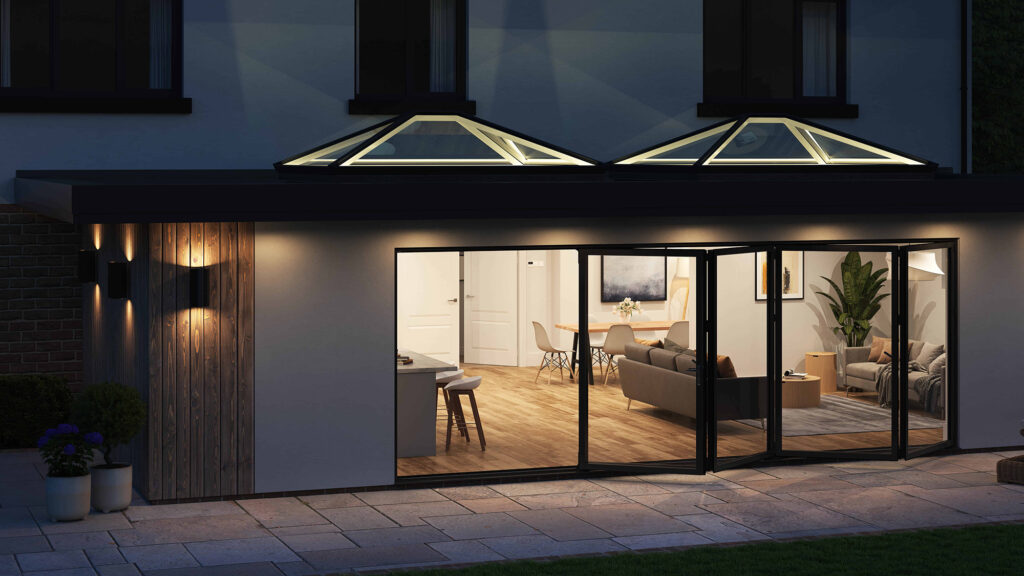
Modern doors are broader in style and usually more minimalist in appearance. They tend to feature larger expanses of glass, cleaner lines, fewer visible bars and a stronger focus on wide openings, open-plan living and contemporary kerb appeal. In practical terms, modern systems are often chosen for extensions, garden rooms and rear elevations where light, space and easy operation matter most.
The important point is that both can be high-performance products. Heritage does not mean outdated, and modern does not automatically mean better insulated or better built. Specification matters far more than label.
Style and kerb appeal
If your property has period features, heritage doors usually feel more natural. They complement sash windows, traditional brickwork, decorative detailing and older proportions in a way that ultra-minimal designs sometimes do not. That is especially relevant on front or side elevations where the door is part of the building’s character rather than just an opening to the garden.
Heritage-style doors also work well in mixed-age homes. If you are adding a rear extension to an older property, they can create a useful bridge between original architecture and new glazing. You keep a sense of character while still opening up the home.
Modern doors are often the stronger choice when the goal is to maximise light and space. On a contemporary extension, a new build or a remodelled rear elevation, larger glass panels and cleaner frames can make the room feel brighter and more open. If the architecture is already crisp and minimal, a heritage grid can look too busy.
This is where context matters. A heritage design that looks perfect on a townhouse may feel overly fussy on a modern garden room. A contemporary slider that looks outstanding on a rendered extension may feel visually out of place on a period cottage.
Where each style tends to work best
Heritage doors generally suit period renovations, listed-adjacent settings, industrial-style interiors and projects where preserving visual character matters. Modern doors tend to suit extensions, self-builds, rear openings and schemes built around uninterrupted views and wider spans.
That said, there is overlap. A lot depends on frame colour, bar layout, threshold choice and overall glazing design.
Performance is not just about U-values
Thermal efficiency is one of the first things buyers ask about, and rightly so. A well-specified door should help retain heat, reduce draughts and support comfort throughout the year. But comparing heritage doors vs modern doors on thermal performance alone can be misleading if you look only at broad product categories.
A modern door system may offer excellent insulation, but so can a good heritage aluminium system with quality glazing and the right break technology. The real differences usually come from the individual product, glass unit, frame construction and installation quality.
Air tightness matters. So does weather performance. So does how often the door will be used and where it sits on the building. A rear garden door exposed to driving rain in a coastal location has different demands from a sheltered internal-style screen between spaces.
For trade buyers, this is where technical documentation becomes essential. For homeowners, the key is simpler: ask for the actual performance values of the system you are considering rather than assuming one style always outperforms the other.
Sightlines, glazing and how the room will feel
One of the biggest practical differences is how each option shapes the room. Heritage doors are often chosen for their elegant sightlines and more defined glazed sections. They frame the view rather than disappearing into it. That creates a distinct look and can add rhythm and detail to both internal and external elevations.
Modern doors usually aim for the opposite effect. Larger panes and cleaner layouts draw more attention to the outside space and less to the frame itself. If your garden view is a major feature, or you want a stronger indoor-outdoor connection, that can be a real advantage.
Neither effect is wrong. It depends whether you want the door to act as an architectural feature or as a more understated opening.
Maintenance and day-to-day use
Modern aluminium and uPVC systems are popular partly because they are straightforward to live with. They are durable, relatively low maintenance and designed for regular use. That matters in busy family homes and high-traffic openings.
Heritage-style doors can also be low maintenance when made from modern materials, especially aluminium. That is one reason they have become so popular. You get the character of a traditional design without the upkeep associated with older timber or original steel systems.
The trade-off is often in the detail. Heritage-style systems may have more bars, joints and visible design features to clean. Some buyers are happy to take that on because the visual result is worth it. Others would rather keep the glazing as simple as possible.
Operation is another point to consider. Think about threshold height, access needs, daily traffic and whether the opening is primarily for views, ventilation or movement. The best-looking door is still the wrong one if it does not suit how the space is used.
Planning and property type
If you are renovating an older home, planning can play a bigger role than you expect. In conservation areas or on character-sensitive projects, heritage doors may be more appropriate and more likely to align with the look expected by planners. They can help preserve the appearance of the building while still giving you modern performance benefits.
That does not mean modern doors are off the table. On rear elevations, less visible locations or carefully designed extensions, contemporary systems may still be perfectly suitable. But if visual continuity with the original property matters, heritage styling often has the edge.
For developers and installers, this is usually less about taste and more about risk. Choosing a style that clearly fits the architecture can make approvals and client sign-off more straightforward.
Cost and value over time
Budget matters, but it should be judged against performance, lifespan and overall project impact. Heritage-style doors can sometimes cost more than standard contemporary options, particularly where there are specialist profiles, bar layouts or bespoke configurations involved. That extra detail is part of what gives them their appeal.
Modern doors can also move up in price quickly, especially with larger sizes, premium hardware, upgraded glazing or more advanced sliding and bifold systems. In other words, neither category is automatically the budget option.
The better question is where the value sits for your project. If a heritage door completes the look of a period renovation and protects the feel of the property, that has real value. If a modern door transforms a kitchen extension by bringing in more light and opening width, that value is just as real.
This is often where tailored advice helps. A supplier with a broad product range can compare styles, configurations and specifications based on the property itself rather than pushing one look across every project.
Which should you choose?
Choose heritage doors if character is high on the list, if your property has traditional features, or if you want a more refined and architectural look. They are especially effective when you need modern performance without losing period style.
Choose modern doors if your priority is larger glass areas, cleaner lines and a more open contemporary feel. They are often the right fit for extensions, remodels and homes where light and connection to the outside are leading the design.
If you are still undecided, step back and look at the whole elevation rather than the door in isolation. Consider the windows, brickwork, roofline, flooring and the age of the property. The right door should feel like it belongs there.
A good door does more than close an opening. It sets the tone for the space, affects how the home performs and shapes the way the project is remembered. Choose the one that makes the property feel complete, not just current.