A dark extension can make even a well-designed home feel disappointing. Get the glazing right, though, and the whole space changes. The best flat roof glazing ideas do more than bring in daylight – they shape how a room feels, how open it looks and how comfortably it performs through the year.
For UK homeowners planning an extension, kitchen remodel or garden room, and for trade professionals specifying products that need to work first time, flat roof glazing is rarely a one-size-fits-all decision. Size, placement, frame style, ventilation, solar gain and roof construction all matter. The good news is that there are plenty of strong design routes, from minimal fixed rooflights to statement lanterns that add height and presence.
Flat roof glazing ideas that change a room
The most effective starting point is to think less about the product in isolation and more about the room below it. A family kitchen with a central island needs different light distribution from a side-return extension used as a dining space. A garden room office may prioritise glare control and thermal efficiency, while an open-plan living area might benefit most from the broadest possible sky view.
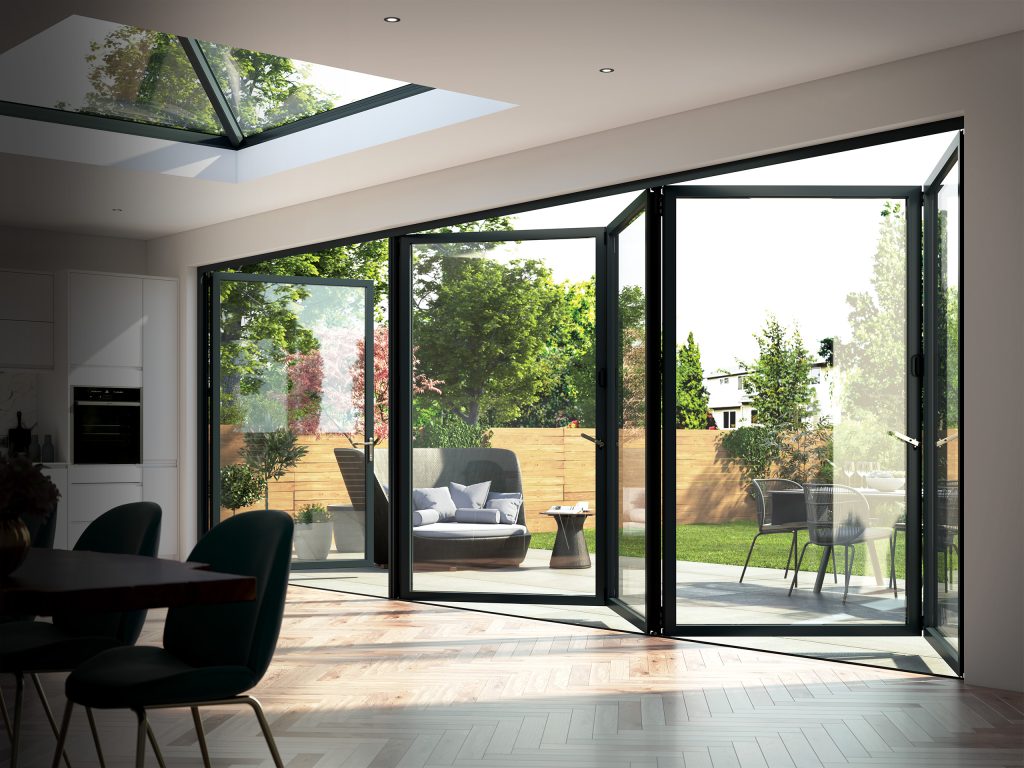
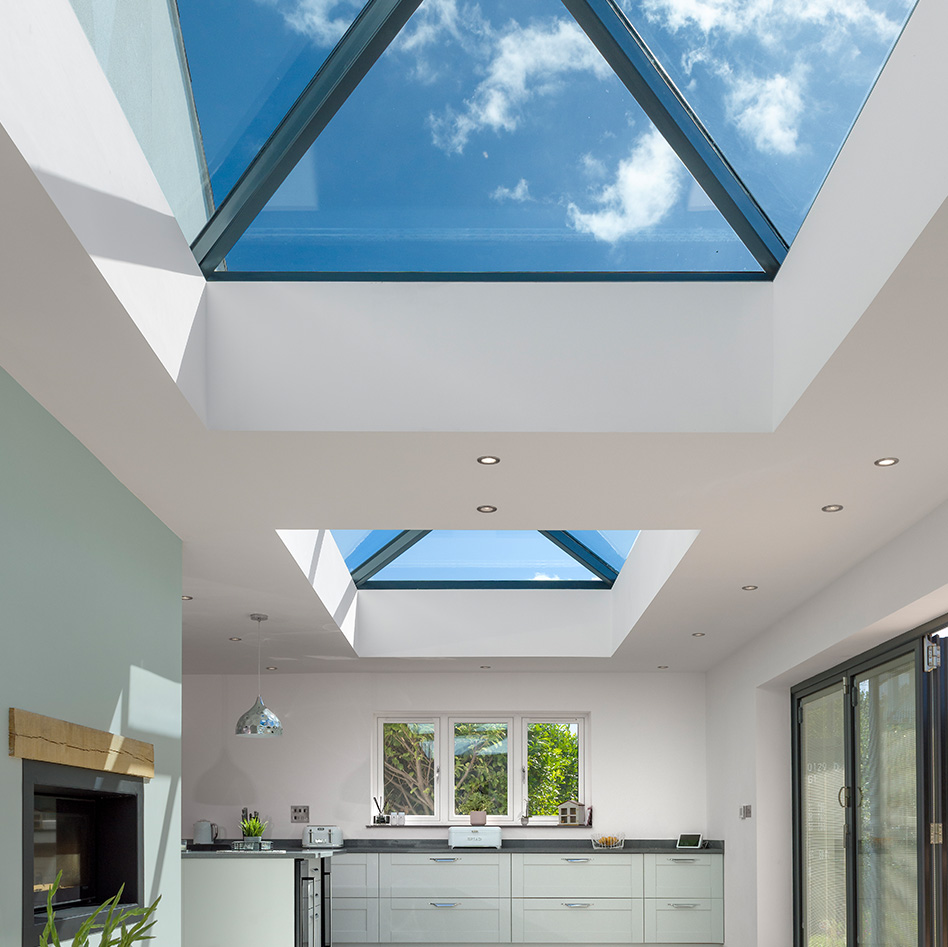
A popular approach is the large fixed flat rooflight. This works particularly well where you want clean lines and a modern finish. Because the frame is slim and the sightlines are tidy, the glass becomes the focus rather than the structure. In contemporary extensions, this can help the ceiling feel lighter and less boxed in, especially where rear walls include wide sliding or bifold doors.
Another idea is to use two or three smaller rooflights instead of one oversized unit. This often suits longer rooms, galley kitchen extensions and side returns. Multiple glazed openings spread light more evenly across the floorplan and can look more balanced from both inside and out. It can also be a more practical answer where structural spans or roof joist layouts make one very large opening less efficient.
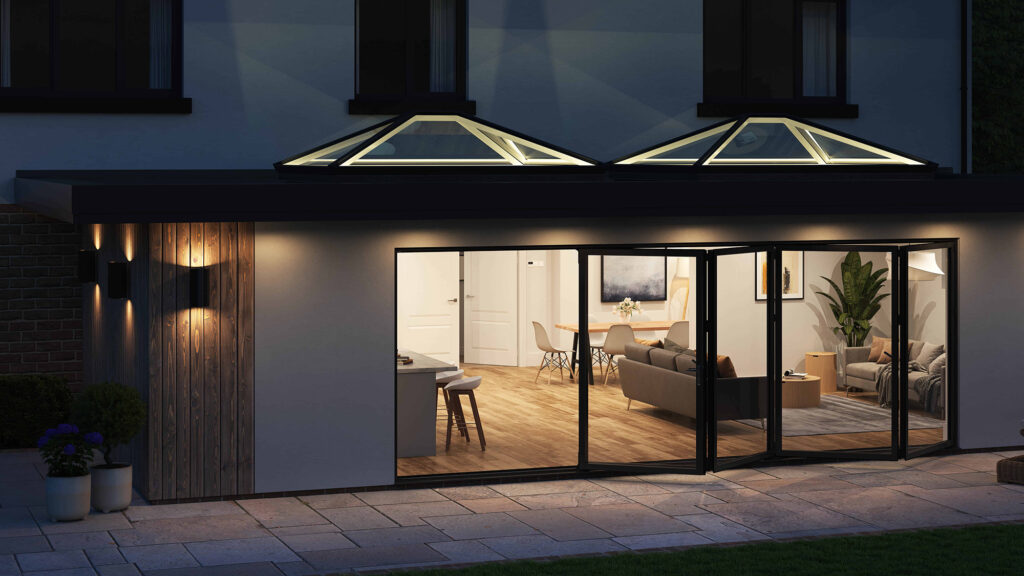
If you want a stronger architectural feature, a roof lantern is worth considering. Lanterns sit proud of the roof rather than flush with it, so they create more visual height and add a traditional or heritage-leaning detail depending on the design. In period renovations and orangery-style extensions, they can bring in excellent top light while giving the room a sense of centre and scale.
Choosing the right flat roof glazing idea for each space
In kitchen extensions, positioning is everything. A rooflight placed above the main prep area or island creates focused daylight where you actually use it. That can reduce reliance on artificial lighting during the day and make materials such as stone worktops, timber cabinetry and tiled splashbacks look more natural. If the glazing is too far to one side, you may still end up with a bright patch and a gloomy room around it.
For dining areas, central symmetry often works best. A single square rooflight over the table can anchor the space, while twin rectangular units can help define a combined kitchen-diner without adding partitions. This is useful in open-plan extensions where you want subtle zoning but still need the room to feel connected.
In living rooms and family spaces, think carefully about orientation. South-facing flat roof glazing can flood a room with light, which is excellent in winter but may create overheating or glare in summer if the specification is wrong. Solar control glass, tinted finishes or carefully chosen blinds can make a noticeable difference. North-facing rooflights generally give softer, more consistent light, which many people prefer for a calmer living space.
Garden rooms and home offices benefit from a slightly different approach. Here, the goal is often good daylight without constant screen glare or uncomfortable heat build-up. Smaller, well-positioned roof glazing can outperform a dramatic oversized panel if the space is used for work. It depends on the room’s orientation, the ceiling height and how much glass is already included in the walls.
Frameless, framed or lantern style?
Minimal frameless internal views are usually the first choice for modern homes. They offer a crisp finish and help maximise the visible glass area from below. If your extension design is clean, simple and contemporary, this style usually feels the most natural.
Framed flat rooflights can still look smart, but they tend to suit projects where budget, roof build-up or specification requirements point towards a more standardised solution. The right product still delivers strong performance and a neat appearance. It is not always about choosing the most expensive option – it is about choosing the glazing system that fits the design brief and the build.
Roof lanterns are less minimalist, but that is often the point. They add shape, rhythm and a stronger architectural statement. If the room has generous proportions, higher ceilings or a more classic aesthetic, a lantern can bring character that a flush rooflight does not.
Flat roof glazing ideas with ventilation in mind
Not every glazed roof opening has to be fixed. In some spaces, opening rooflights are a smart upgrade, especially in kitchens, bathrooms and rooms prone to heat build-up. Ventilation at roof level is effective because warm air naturally rises, so opening a vented unit can help the room feel fresher very quickly.
Manual opening options can be suitable for lower-level installations, but electric rooflights are often more practical, particularly in taller ceilings or large extensions. Rain sensors and remote controls add convenience, which matters in everyday use. For trade buyers and specifiers, that practicality can be just as important as appearance.
There is a trade-off, though. Opening units are typically more complex than fixed designs and can increase cost. If the room already has strong cross ventilation through doors and windows, a fixed rooflight may still be the better-value choice.
Performance matters as much as appearance
The nicest rooflight design on paper can become a poor investment if the glazing specification is wrong. Thermal performance, solar control, glass safety, weather resistance and installation detailing all have a direct effect on how successful the finished space feels.
Double or triple glazing may be appropriate depending on the project, but there is no automatic rule that more layers always means a better result. The overall unit specification matters more than a headline feature. A well-designed flat rooflight with quality glass, warm edge spacer technology and good seals can make a real difference to comfort and efficiency.
Solar gain needs just as much attention. A large expanse of overhead glazing can brighten a room beautifully, but too much sun can make the space difficult to use. This is especially relevant in south-facing extensions with additional glazed doors below. A balanced specification helps you maximise light and space without creating a room that overheats as soon as the weather turns warm.
Self-cleaning glass can also be worth considering, particularly on hard-to-reach roof glazing. It is not maintenance-free, but it can reduce build-up and help the glass stay clearer for longer. On projects where long-term convenience matters, that is a practical upgrade rather than a gimmick.
Getting size and proportion right
Bigger is not always better. One of the most common mistakes with flat roof glazing is oversizing the opening without considering scale, structure or solar impact. A rooflight should feel intentional, not as if a section of roof has simply been removed.
As a general design principle, the glazing should relate to the room layout below. Over an island, align it with the furniture. In a square extension, a centred square or balanced rectangular unit often works best. In a narrow side return, a run of smaller rooflights can be more effective than one deep opening.
From outside, proportion matters too. The rooflight or lantern should sit comfortably within the roof area and suit the architecture of the property. This is where bespoke sizing is especially useful, because standard dimensions do not always produce the best visual result.
A practical route from idea to specification
If you are narrowing down flat roof glazing ideas, start with three questions. What does the room need most: more light, better ventilation or a stronger design feature? How much sun does the roof receive across the day? And do you want the glazing to disappear into the architecture or stand out as a focal point?
Once those points are clear, product choice becomes much easier. Homeowners can compare styles with more confidence, while builders and installers can specify with fewer surprises on site. Good technical support also helps, particularly when kerb details, roof pitch tolerances and structural openings need to be confirmed before ordering.
For many projects, the best answer sits between aspiration and practicality. A slim, well-specified flat rooflight can transform a modest extension just as effectively as a large lantern transforms a statement kitchen. What matters is choosing a solution that fits the room, the orientation and the way the space will actually be used.
Brightening a home should feel exciting, not complicated. When flat roof glazing is chosen carefully, it adds more than daylight – it gives the whole room a better sense of space, comfort and purpose.