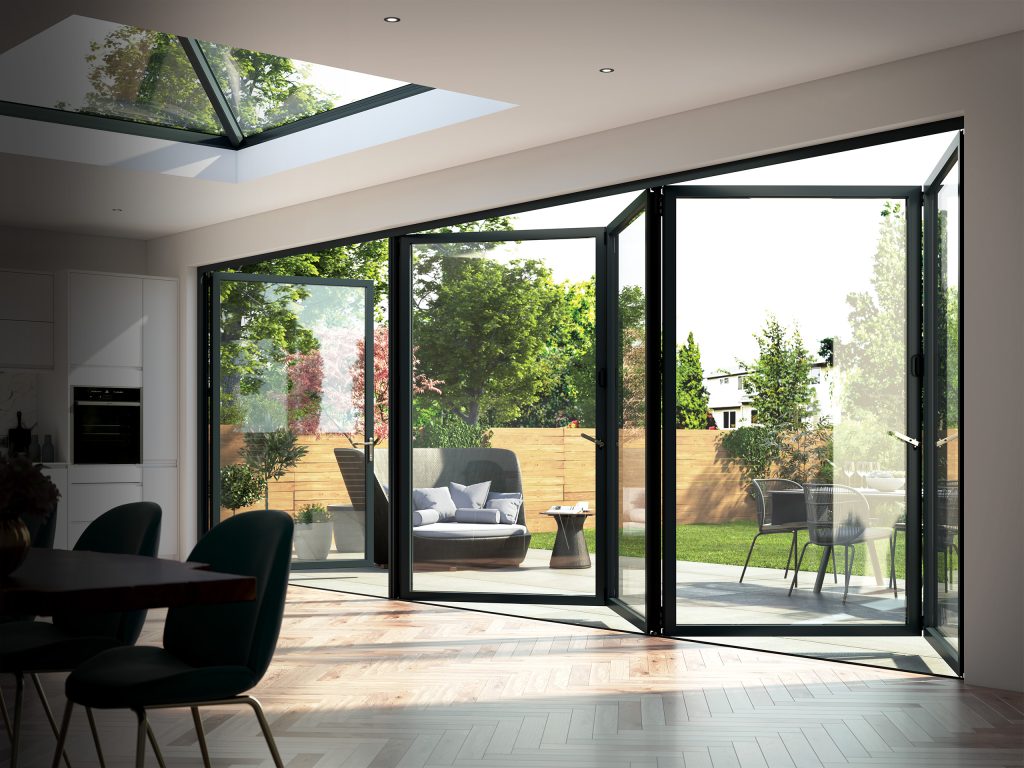

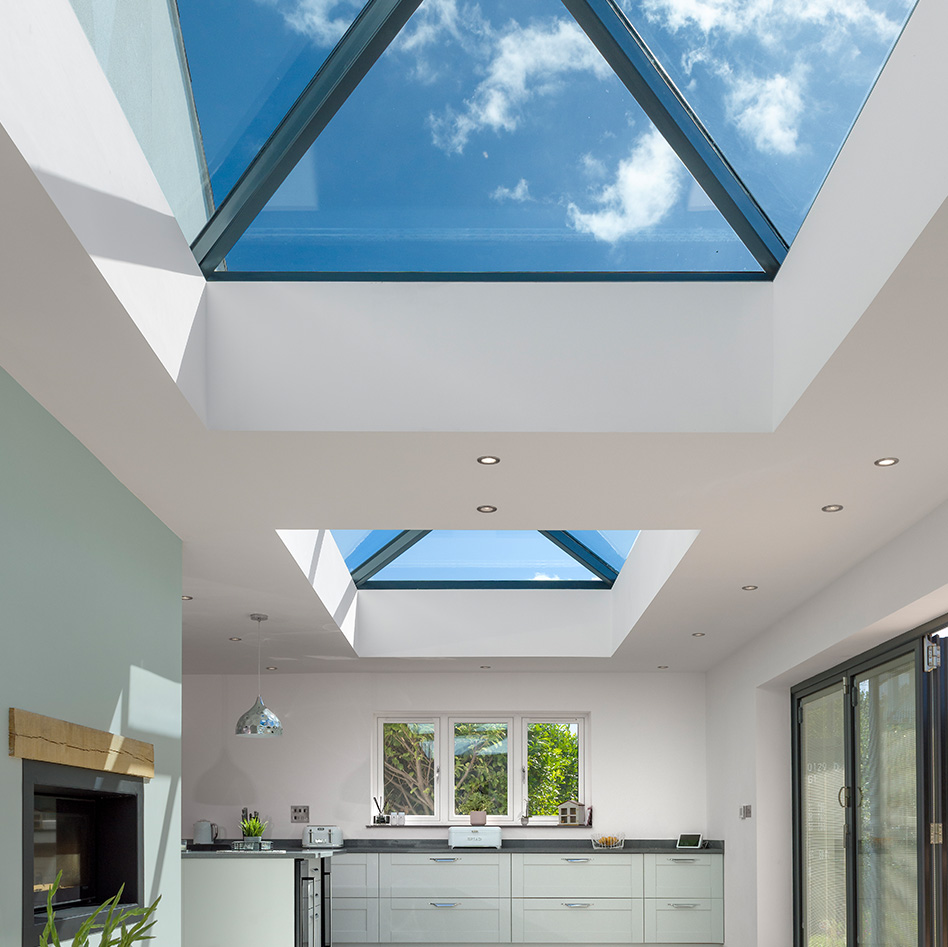
A rear extension in Surrey can look perfect on paper and still feel disappointingly dark once the build is finished. That is usually the moment rooflights Surrey homes benefit from most move from a nice design idea to a practical necessity. When wall space is limited by neighbours, fencing, or the layout of the existing house, bringing light in from above often makes the biggest difference.
For homeowners planning kitchens, flat roof extensions, orangery-style spaces or garden rooms, rooflights do more than brighten a room. They change how the space feels, how large it looks, and how comfortable it is to use throughout the day. For builders and installers, they also solve a common design problem without overcomplicating the project – provided the specification is right from the start.
Why rooflights suit Surrey homes so well
Surrey has no single property type. One project may involve a period home in Guildford, another a contemporary extension in Woking, and another a garden room in a semi-rural setting. What many of these projects share is the need to bring in more natural light without compromising privacy or usable wall space.
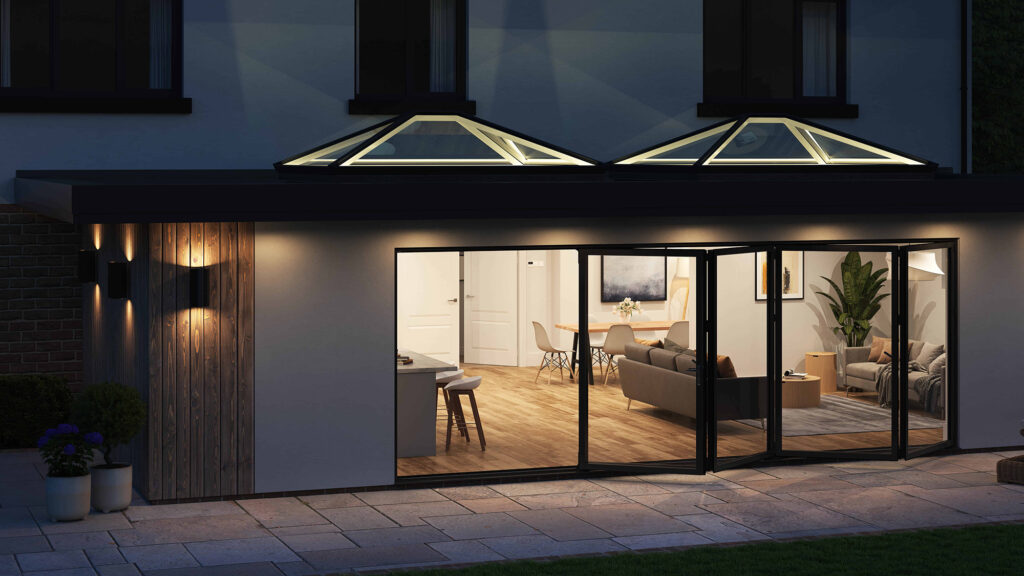
That is where rooflights earn their place. In single-storey extensions especially, bifold or sliding doors can open up one elevation, but they cannot always carry the full job of lighting the room. Deeper floorplans, side returns and north-facing aspects often leave the centre of the room flat and shaded. A well-positioned flat rooflight or roof lantern helps balance that out by drawing daylight into the heart of the space.
There is also a strong aesthetic case. Roof glazing gives an extension a cleaner, more architectural finish. It can make modest additions feel sharper and more expensive without needing a larger footprint. For design-conscious homeowners, that combination of function and visual impact is hard to ignore.
Choosing the right rooflights for Surrey homes
The right product depends on the room, roof design and the result you want from the space. This is where many buyers benefit from slowing down a little. Bigger is not always better, and more glass is not always the most comfortable option.
Flat rooflights for clean, modern extensions
Flat rooflights are often the natural fit for contemporary kitchen extensions, utility rooms and single-storey additions. They sit neatly within flat roofs, offer strong thermal performance when well specified, and give a minimal look that works particularly well with aluminium windows and doors.
For many Surrey homes, this is the product that delivers the best balance between design and practicality. It introduces overhead light without adding too much visual bulk externally, which can matter on projects where planners, neighbours or the character of the property all influence the final design.
A fixed flat rooflight is also a sensible option where the brief is simply to maximise daylight. If ventilation is needed, an opening version may be worth considering, particularly above kitchens where warm air and cooking moisture build up quickly.
Roof lanterns for height and presence
Roof lanterns create a different effect. Rather than blending quietly into the roofline, they add shape, height and a more traditional glazed feature. In larger extensions, they can help define the dining or seating area and bring a stronger sense of volume to the room.
That said, lanterns are not the automatic choice for every project. They suit some property styles better than others, and because they are more prominent, proportions matter. Too large and the roof can feel overly glass-heavy. Too small and the feature loses impact. This is one of those decisions where visuals, room scale and roof construction all need to line up.
Roof windows for lofts and upper floors
Where the project involves an attic conversion or an upper-storey renovation, roof windows may be the better answer. They offer light, ventilation and practical everyday use, especially in bedrooms, studies and converted loft spaces.
They are a different category from flat rooflights, but the buying logic is similar. Performance, glazing choice, opening style and installation details all affect how successful the finished room feels.
What matters beyond the glass
A rooflight is only as good as its specification. Homeowners often start with the look, which is understandable, but performance has a direct effect on comfort and running costs.
Glazing specification matters because overhead glazing takes more direct sun than a standard vertical window. In a south-facing extension, a poorly considered product can leave the room too hot in summer and less efficient in winter. Solar control glass, low U-values and quality seals all help create a space that feels usable all year rather than impressive only on a mild spring morning.
Frame quality matters too. Slim sightlines are popular for good reason, but they should not come at the expense of durability or weather resistance. Better-made systems tend to deliver cleaner finishes, more reliable installation and better long-term performance.
Then there is the kerb detail, roof build-up and drainage design. These are not the glamorous parts of the buying process, but they matter. Trade professionals already know this, and homeowners should not be afraid to ask about it. A rooflight should look good from day one and still perform properly after years of rain, heat and seasonal movement.
Placement can make or break the result
Even an excellent product can underperform if it is in the wrong place. The aim is not simply to add more glass. It is to improve the way light moves through the room.
A single large rooflight can be very effective over an island or dining table, where it creates a clear focal point. Two or three smaller rooflights can sometimes work better across a wider extension, spreading light more evenly and avoiding one overly bright patch in the middle. In side-return extensions, positioning is especially important because the new structure often blocks light from existing windows.
Orientation also affects comfort. South-facing rooflights bring strong daylight, but they may need solar control glazing to avoid overheating. North-facing options give a softer, more consistent light that many homeowners prefer in kitchens and workspaces. East and west aspects sit somewhere in between and are more dependent on how the room is used.
A smart choice for homeowners and trade alike
For homeowners, the appeal is straightforward. Rooflights can brighten your home, improve the feel of new and existing rooms, and support a more premium finish without requiring a complete redesign. They are one of the few upgrades that affect both appearance and day-to-day living almost immediately.
For builders, developers and installers, they are also a commercially sensible specification. Clients understand the value quickly because the visual result is obvious. When the product range includes fixed and opening options, different sizes and reliable technical support, it becomes easier to match the right rooflight to the build rather than forcing the build to fit the product.
This is where a supplier with a broad range and clear documentation can save time. On bespoke residential projects, especially, being able to compare options by style, brand, performance and price makes specification more efficient. That matters whether you are ordering for your own extension or sourcing products across multiple jobs.
Common mistakes to avoid with rooflights Surrey homes install
The most common mistake is treating the rooflight as a finishing touch rather than an early design decision. It needs to be considered alongside the roof structure, room layout and glazing strategy from the outset.
Another mistake is focusing only on size. A larger rooflight may sound better, but if it creates excess glare, overheating or an awkward roof layout, the result can feel less comfortable than a smaller, better-positioned unit.
There is also a tendency to underestimate installation quality. A premium rooflight installed badly will not perform like a premium product. For that reason, it is worth choosing systems with clear technical information and making sure the installer follows the detail properly.
Making the final choice with confidence
The best rooflights Surrey homes use are the ones that fit the room, the roof and the way the property is actually lived in. Some projects need a striking lantern to add presence. Others need a low-profile flat rooflight that quietly transforms a dark extension. There is no single right answer, which is exactly why product choice and support matter.
If you are weighing up options, start with the room itself. Think about where daylight is missing, how much ventilation you need, what style suits the property, and how the space should feel at different times of year. Get those decisions right and the rooflight stops being just another glazed product – it becomes the feature that makes the whole room work.