A new door can change far more than the entrance to a room. The right choice improves light, insulation, day-to-day practicality and the overall feel of a renovation. This guide to external glazed doors is designed to help homeowners, renovators and trade buyers choose with confidence, whether the priority is opening up a kitchen extension, upgrading a rear patio entrance or specifying doors for a full property refurb.
Why external glazed doors are worth careful thought
External glazed doors sit at the point where aesthetics and performance have to work equally hard. They need to look right from both inside and out, but they also have to deal with weather, security, thermal efficiency and regular use. That balance is where many buying decisions become more complex than they first appear.
For some projects, the main goal is to maximise light and space. For others, it is creating a secure, thermally efficient access point that complements the windows and wider glazing scheme. In many cases, it is both. That is why the best result usually comes from looking beyond the headline style and focusing on how the door will actually be used.
A family opening onto a garden may need wide access, low thresholds and easy operation. A side entrance might need stronger privacy and simpler specification. A heritage renovation may call for slimmer sightlines or a more traditional appearance, while a new-build extension often leans towards large glazed panels and contemporary aluminium frames.
A guide to external glazed doors by type
The first major decision is the door format. Each style suits different layouts and expectations.
French doors
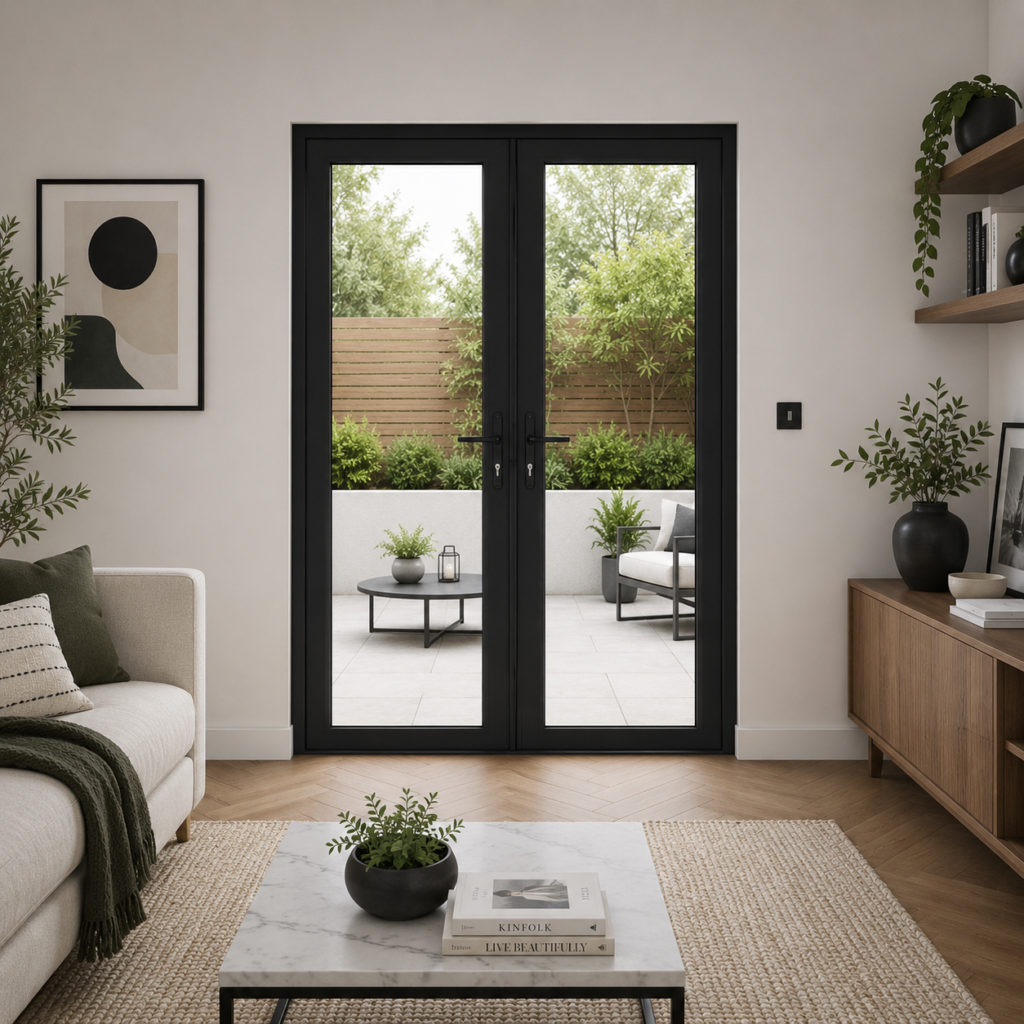
French doors remain a popular option for rear elevations, garden rooms and traditional homes. They offer a symmetrical look and a familiar opening style, usually with one active lead door and one secondary leaf. They work particularly well where you want a classic appearance and a clear opening without moving panes stacking to one side.
Their limitation is space. Because the leaves swing in or out, you need enough clearance around them. For smaller patios or tighter internal layouts, that can be less practical than a sliding system.
Sliding doors
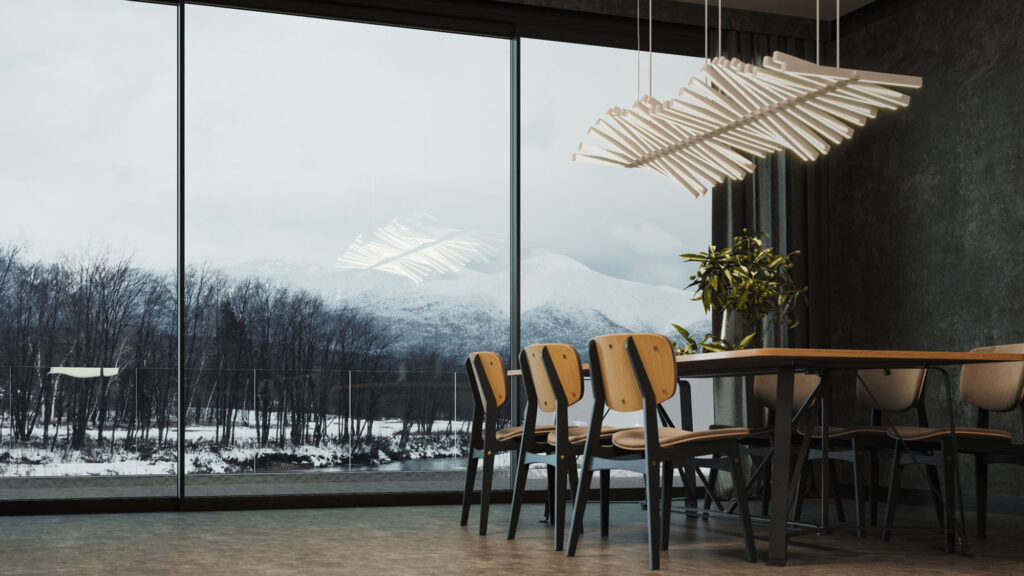
Sliding doors are a strong choice when clean lines and uninterrupted glazing matter most. They allow large panes of glass, slim framing and an easy glide operation, making them ideal for extensions where the view is part of the design brief.
They are especially useful where space is limited, because the panels do not swing outwards or inwards. The trade-off is that only part of the overall aperture opens at one time, so if maximum clear access is the priority, bifolds may appeal more.
Bifold doors
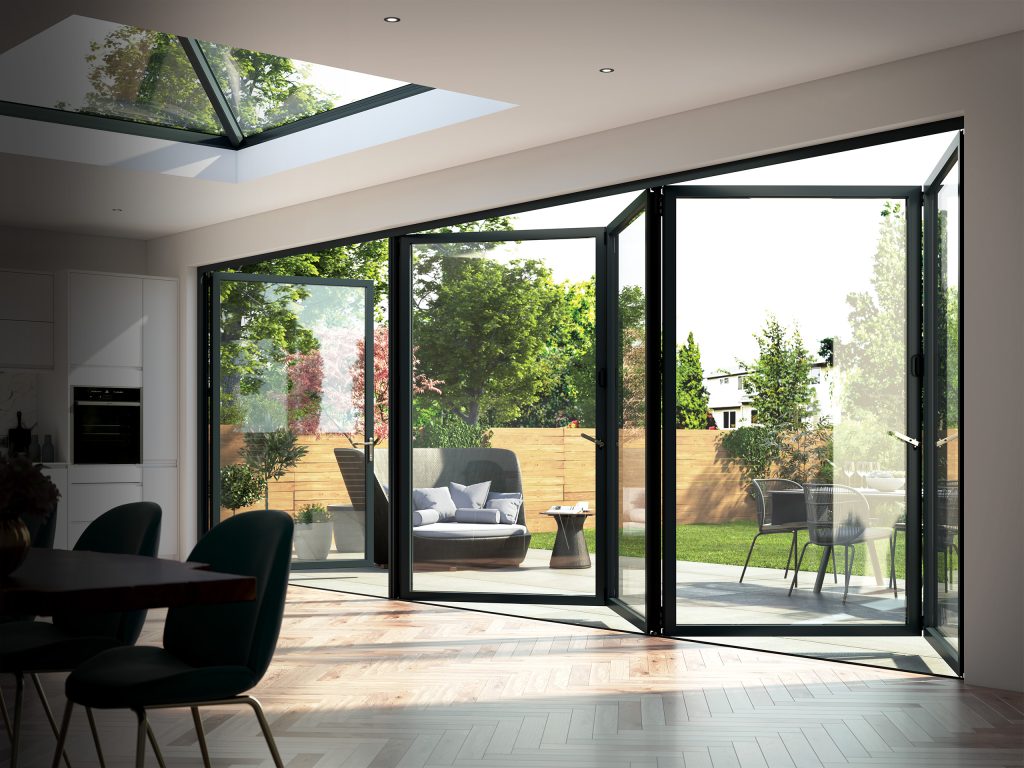
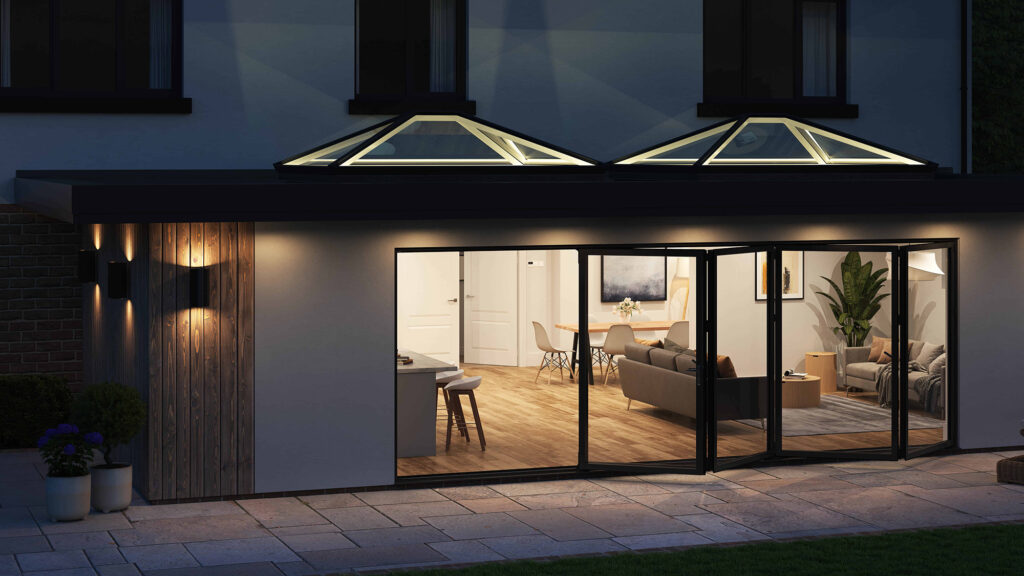
Bifold doors are designed to open up a room in a more dramatic way. The panels fold and stack to one or both sides, creating a wide opening between indoors and outdoors. For entertaining spaces, kitchen diners and garden-facing extensions, that flexibility is a big part of their appeal.
They do involve more moving parts than a standard hinged or sliding system, so good specification matters. Hardware quality, threshold choice and panel configuration all affect how well the door performs over time.
Single glazed external doors
Not every project calls for a wide-span system. A single glazed external door can be the right solution for side access, utility rooms, porches and secondary entrances. It provides natural light while keeping the footprint simple and the budget more controlled.
This option often makes sense where you want the performance and visual benefit of glazing without turning the doorway into the main architectural feature.
Choosing the right frame material
Material influences the look, lifespan, maintenance level and price point of external glazed doors.
Aluminium is the go-to choice for many modern projects. It offers slim sightlines, strong structural performance and a durable powder-coated finish. It is particularly well suited to larger glazed spans and contemporary designs. If the aim is to brighten your home with generous glass areas and a sharp, modern finish, aluminium is often the strongest fit.
uPVC remains a practical and cost-effective option for many homes. It performs well thermally, requires little maintenance and suits a wide range of property styles. While it may not deliver the same slim frame profile as aluminium, it can offer excellent value where budget and efficiency are the main drivers.
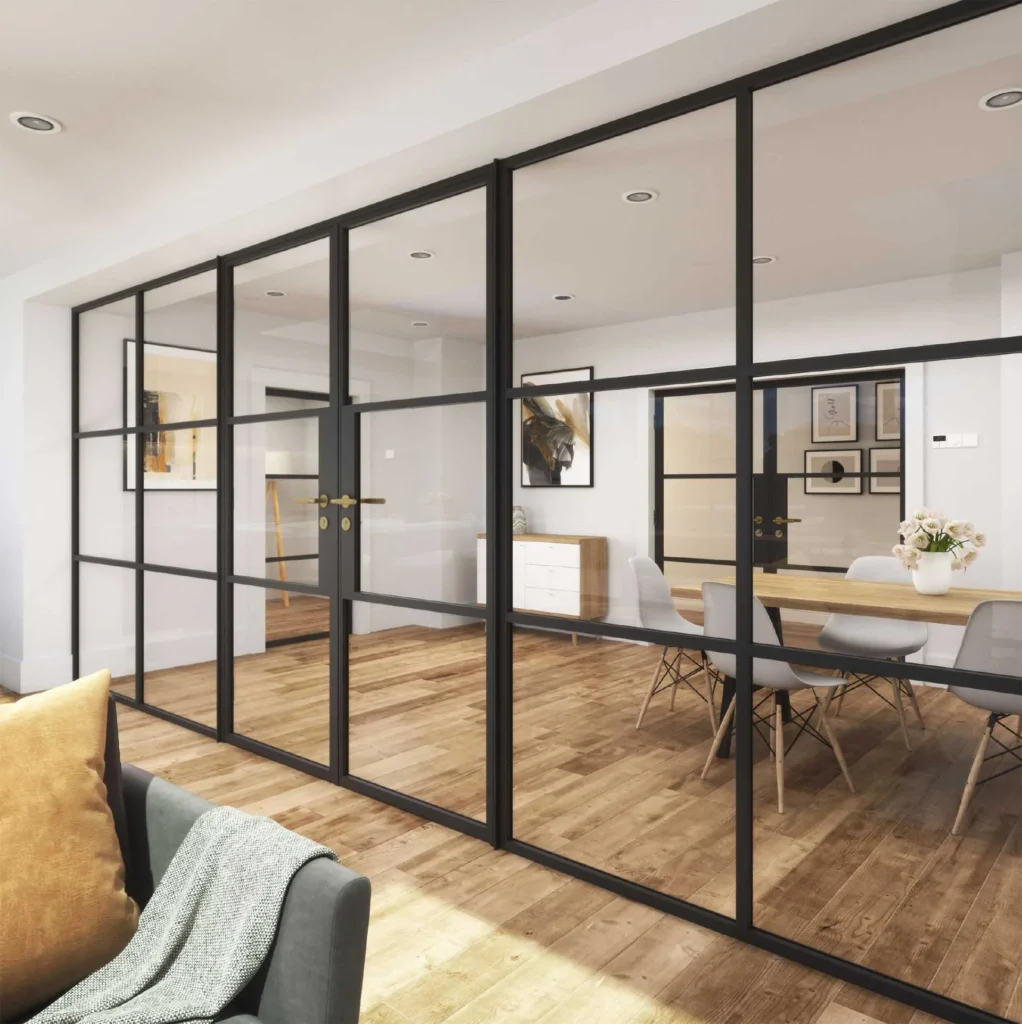
Steel-look and heritage-inspired systems appeal to those renovating period homes or adding character to newer spaces. These products can bring a more architectural feel, but the right choice depends on how authentic the look needs to be and what the budget allows.
Glazing options that make a real difference
The glass itself matters just as much as the frame. In any useful guide to external glazed doors, glazing specification deserves proper attention because it affects comfort, privacy and efficiency.
Double glazing is the standard choice for most residential projects, offering good insulation and everyday performance. In some higher-spec settings, triple glazing may be considered, though whether it is worthwhile depends on the overall build-up of the property, the frame system and the budget.
Toughened safety glass is typically essential for external doors, and laminated glass may be preferred where added security is a concern. If the door faces a busy road, overlooked garden or side passage, obscure or satin glass can help protect privacy without blocking natural light entirely.
Solar control glass may also be worth considering on south-facing elevations or heavily glazed extensions. It can help limit overheating, which becomes more relevant when large glazed doors are part of a wider open-plan space.
Security, weather performance and thermal efficiency
Style sells doors, but performance is what determines long-term satisfaction. A good-looking door that lets in draughts or feels vulnerable will quickly disappoint.
Look closely at locking systems, frame strength, glazing specification and test credentials. Multi-point locking is standard on quality external glazed doors, but the finer details still matter. The quality of the cylinder, hardware and installation all play a part in security.
Weather performance is equally important in the UK. Doors need to cope with wind, rain and seasonal temperature changes without becoming difficult to operate or allowing water ingress. This is one reason why buying on appearance alone can be a false economy.
Thermal efficiency also deserves a realistic view. Better insulated doors can support comfort and help reduce heat loss, but the overall result depends on the whole opening being specified and installed properly. Glass type, frame construction, threshold detail and fitting quality all contribute.
Getting the sizing and configuration right
External glazed doors are rarely a one-size-fits-all purchase. Dimensions, opening direction, traffic door position and threshold choice can all affect the final usability.
For bifolds, the number of panels and where they stack will shape how the opening works day to day. For sliding doors, panel arrangement affects both ventilation and access. With French doors, inward or outward opening needs to be checked against furniture, pathways and drainage.
Thresholds are another area where practical thinking matters. A low threshold can improve accessibility and create a cleaner transition to the outside, but the setting must be suitable for it. Exposure to weather and floor levels should always be considered before choosing the slimmest possible option.
For trade professionals, accurate structural opening information is essential early on. For homeowners, this is where consultative support adds real value, especially if the project includes bespoke sizing or coordination with windows, roof glazing and other aluminium systems.
Matching the door to the project
The best external glazed door is the one that suits the property, the layout and the way the space will be used. A compact garden room may benefit from French doors for simplicity and charm. A large extension may justify a wide-span slider to maximise glass and preserve the view. A family kitchen opening onto a patio may get the most practical benefit from bifolds.
It also helps to think about the wider design picture. Frame colour, bar details, handle finish and sightlines should work with the rest of the home rather than feel like a separate decision. This is especially important in renovation projects, where a new door needs to sit comfortably alongside existing materials and architectural features.
If budget is part of the decision, it is better to be clear about where performance matters most than to chase the biggest system for the lowest price. In many cases, a well-specified smaller door will outperform a larger, cheaper alternative in the areas that count most.
For homeowners and installers alike, the buying process becomes easier when products can be configured clearly, technical information is available upfront and support is on hand when specification questions arise. That is often the difference between a door that simply fills an opening and one that genuinely improves the finished space.
A well-chosen glazed door does more than connect inside and out. It shapes how a room feels every day, bringing in light, improving access and adding lasting value when the details are right.