




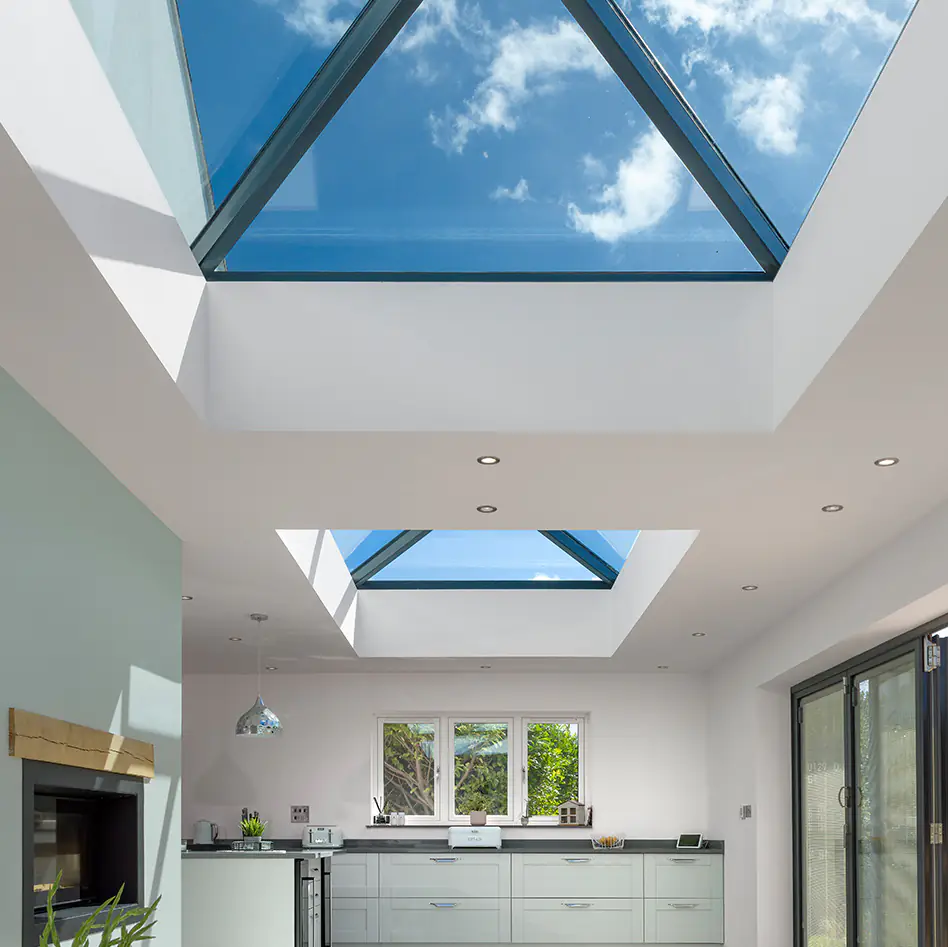


When a job is priced tightly and the installation date is already in the diary, your UK trade glazing supplier matters more than any brochure claim. A delayed rooflight, missing cill or vague drawing approval can turn a profitable project into a week of phone calls, snagging and frustrated clients. For builders, installers and developers, supply is not just procurement – it is project control.
For homeowners taking on an extension, renovation or full property upgrade, the same principle applies. The right supplier does more than sell glazed products. They help you choose systems that suit the opening, the budget and the finish you want, without making the process feel overly technical. That balance of product quality, guidance and reliability is where real value sits.
What a good UK trade glazing supplier actually does
At the trade end of the market, supply is about much more than access to products. You need consistency across quotations, specifications, lead times and aftercare. If a supplier can offer a competitive price but cannot support the order properly, the saving often disappears on site.
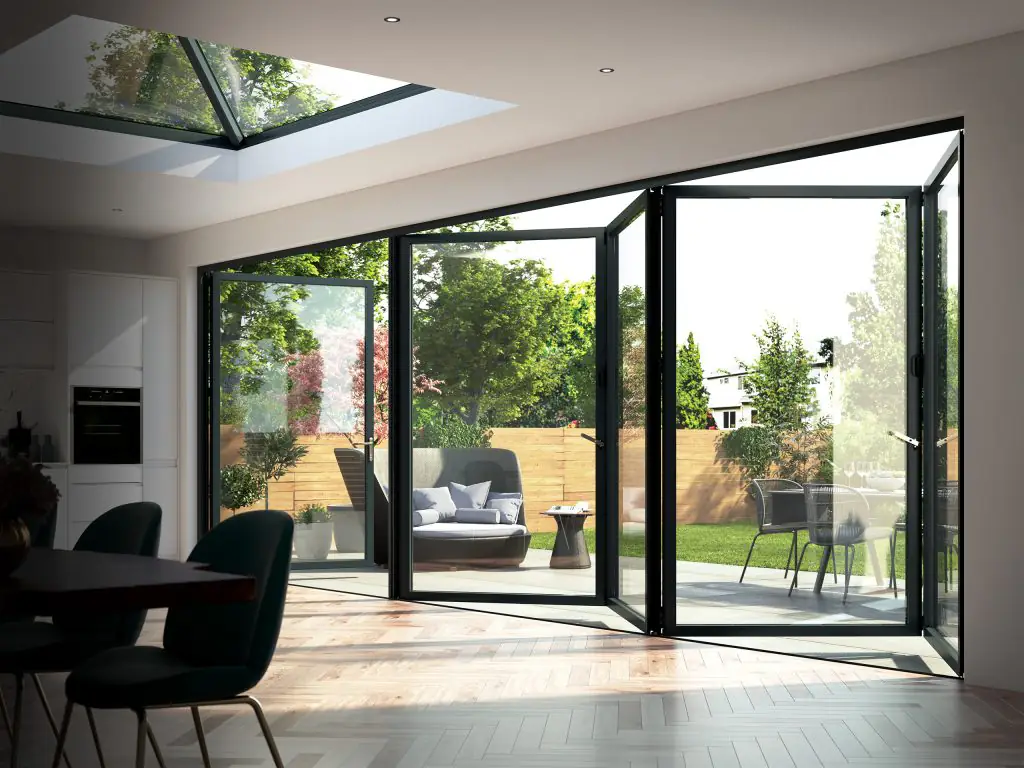
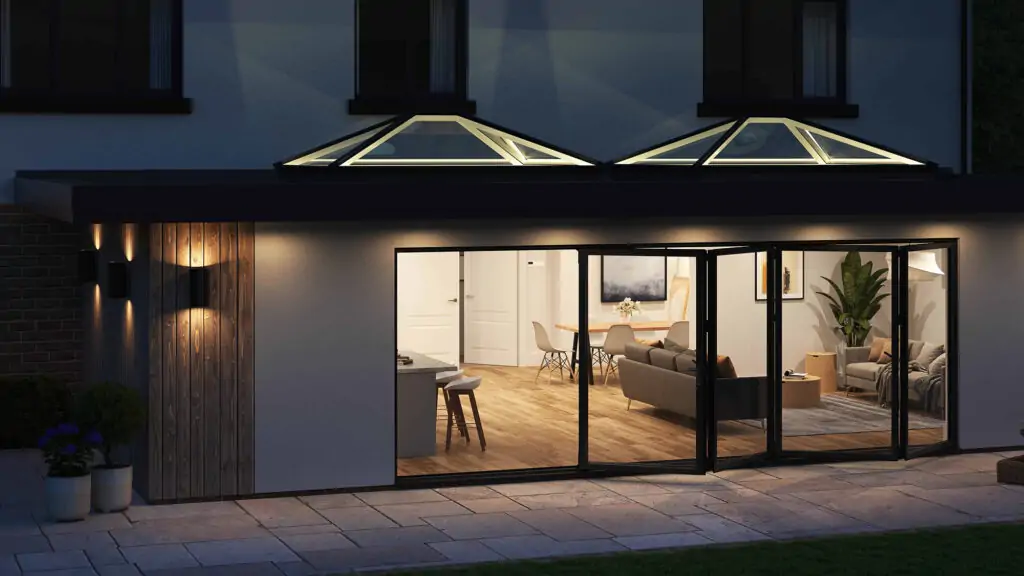
A strong supplier should be able to handle standard and bespoke requirements with equal confidence. That includes bifold doors for rear extensions, slim sliding doors for design-led projects, aluminium and uPVC windows for full house replacements, and roof glazing for kitchen-diners, garden rooms and flat roof extensions. More importantly, they should explain the differences clearly. Not every customer needs the most premium system available, but every project needs the right one.
This is where consultative support counts. Product choice depends on opening size, thermal targets, sightlines, threshold requirements, ventilation needs and budget. A trade glazing supplier that can guide those decisions early helps prevent expensive changes later.
Price matters, but so does the cost of getting it wrong
It is tempting to judge suppliers on headline pricing alone. Trade buyers are right to protect margin, and homeowners are right to watch budget. But low initial cost is only part of the picture.
If a door set arrives with the wrong configuration, if technical information is slow to appear, or if delivery arrangements are unclear, the job can stall. Installers lose time, builders need to reshuffle labour, and homeowners end up living on a building site for longer than planned. The true cost shows up in wasted hours and awkward conversations.
That does not mean the most expensive supplier is the safest option. It means value should be measured properly. Competitive pricing is important, but it should sit alongside technical accuracy, sensible lead times, responsive communication and dependable delivery.
How to assess a UK trade glazing supplier
The quickest way to judge a supplier is to look at how easy they make specification. If getting a quote feels confusing, ordering is unlikely to be smoother. Clear category structure, straightforward configuration options and easy access to technical documents are all good signs.
Support should also feel practical rather than pushy. Trade customers often know exactly what they need, but they still need fast answers when details change. Homeowners may need more guidance on material choice, glazing options and finish. A capable supplier can handle both without talking down to either audience.
Product range and brand depth
A broad range is useful because not every project has the same brief. One customer may want aluminium bifolds with contemporary sightlines. Another may need heritage styling, a roof lantern for maximum daylight, or a cost-effective uPVC window package for a larger refurbishment.
A supplier with access to established systems and multiple brands gives you room to specify properly instead of forcing every project into the same mould. That flexibility is particularly helpful for trade buyers managing mixed portfolios, from straightforward replacements to higher-end bespoke work.
Technical backup
Downloads, product drawings and performance information should be easy to obtain before order, not only after a payment is taken. U-values, dimensions, frame details and installation guidance all matter when coordinating with builders, architects and clients.
This is one area where online convenience and human support should work together. Being able to configure products digitally saves time, but it should not replace expert advice when the opening is unusual or the detail is critical.
Delivery and lead times
Lead time promises need to be realistic. Fast turnaround is attractive, but accuracy matters more than optimism. A dependable delivery schedule allows installers to book labour, homeowners to plan around works, and developers to keep programmes moving.
Nationwide supply also has real value. Whether a project is in Hampshire, London, Birmingham, Manchester or further afield, buyers want confidence that products can reach site safely and on time without adding layers of hassle.
Why bespoke matters in glazing
Very few good projects are fully off-the-shelf. Openings vary, design priorities shift and planners or clients often want a specific look. That is why bespoke configuration has become a basic expectation rather than a premium extra.
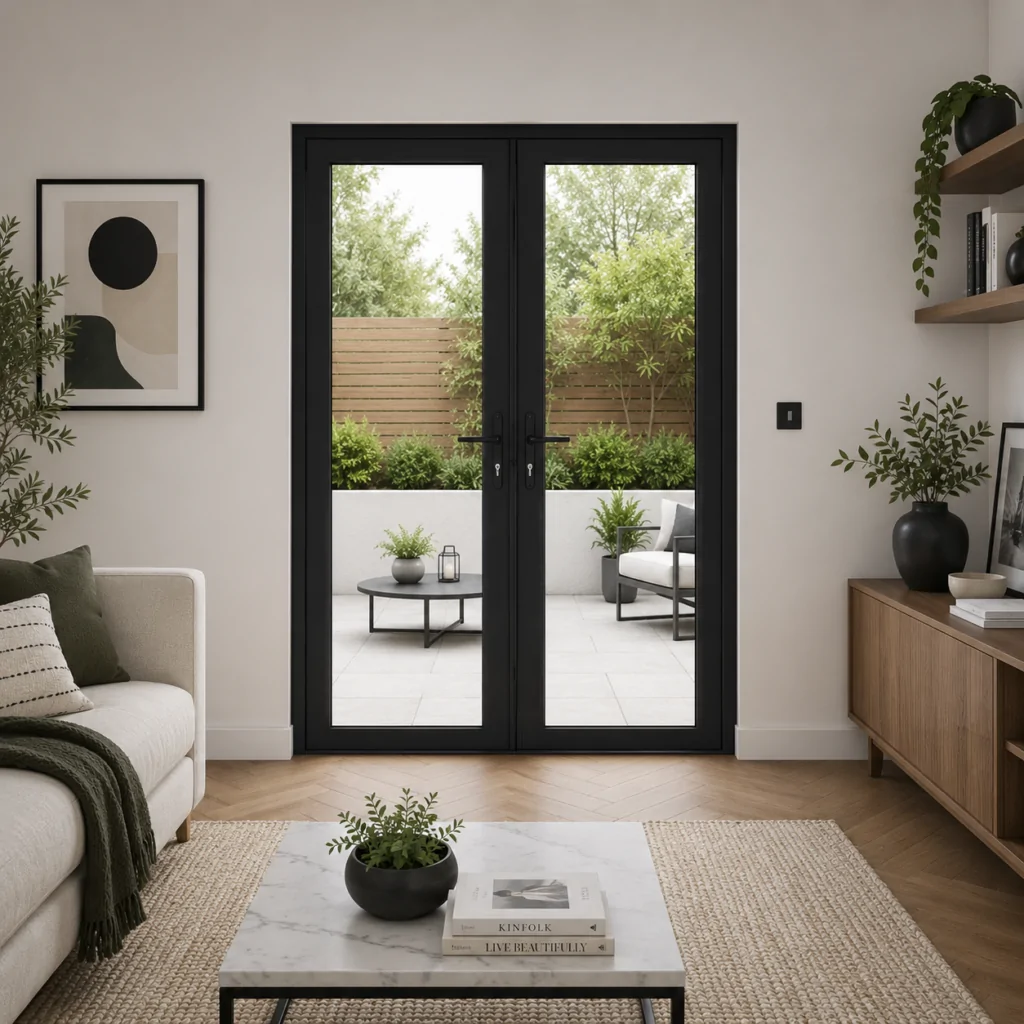
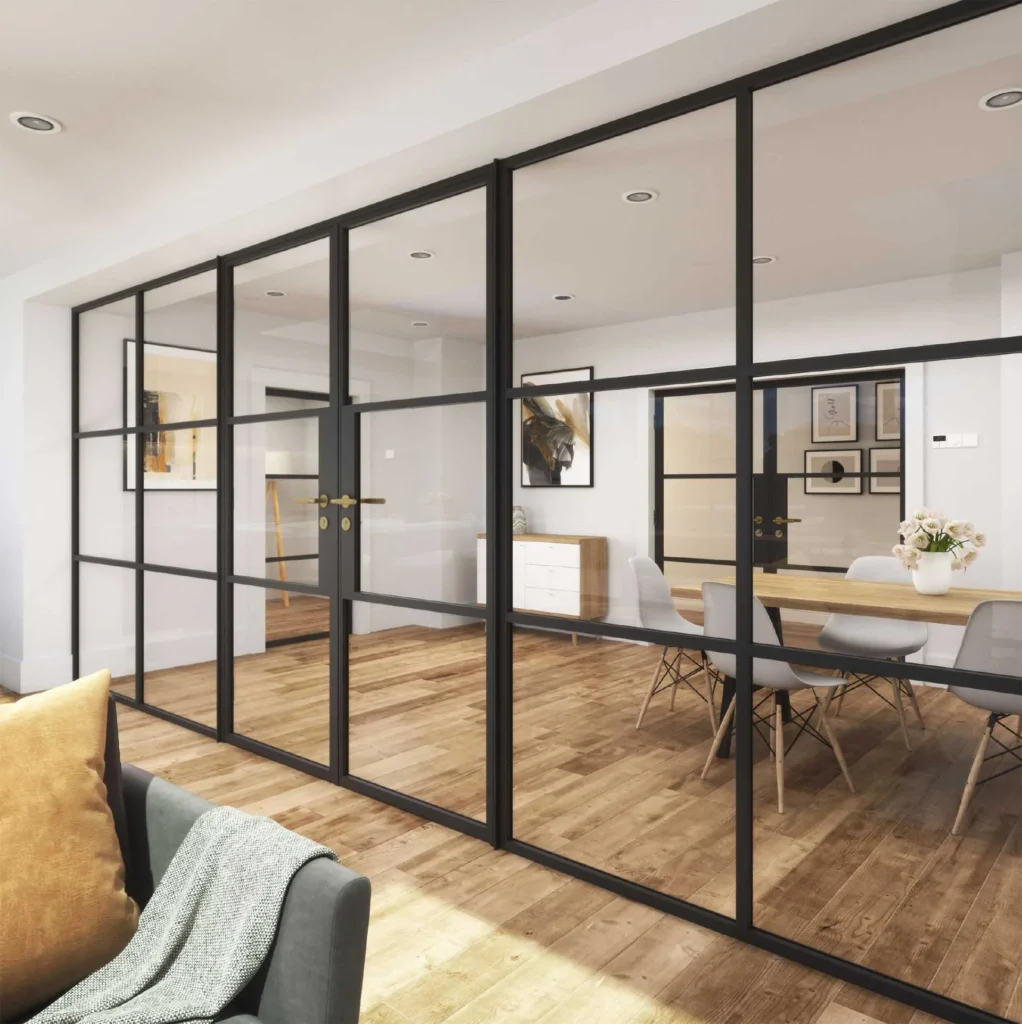
For homeowners, bespoke glazing is usually about getting the right balance of style and practicality. You may want slimmer frames, better thermal performance, low thresholds, matching sightlines or a particular colour inside and out. For trade buyers, customisation is equally important because standard sizes rarely solve every site condition cleanly.
The key is making bespoke ordering feel manageable. A supplier should help customers move from idea to specification without drowning them in jargon. Good support keeps the process clear while still giving proper control over details.
The difference between homeowner support and trade support
A supplier serving both audiences needs to understand that they buy differently. Homeowners are often making occasional, high-value decisions and want reassurance on appearance, performance and the ordering process. They may need help comparing aluminium with uPVC, or choosing between bifold and sliding doors.
Trade customers are usually more focused on speed, repeatability and margin. They want quotes turned around quickly, documentation available without chasing, and account benefits that reward regular purchasing. They also need confidence that products will arrive as ordered so their team can fit them efficiently.
The best suppliers do not force one experience onto the other. They create a buying process that is simple enough for homeowners and commercially useful for installers, builders and developers.
Online ordering has changed expectations
The glazing sector has moved on from the days when every enquiry depended on back-and-forth calls and slow manual quotations. Buyers now expect to browse products, compare options and access technical details online before speaking to someone. That saves time and helps narrow decisions early.
Still, glazing is not a pure click-and-buy category. Larger openings, structural considerations and bespoke options mean people often need advice before committing. The strongest model combines ecommerce convenience with proper UK-based support. That gives customers control without leaving them alone with a technical decision.
For many buyers, this is where a modern supplier stands out. You can design products online, review specifications and move the order forward quickly, while still having expert help available when required. It is a practical blend of efficiency and reassurance.
What good value looks like
Good value in glazing is rarely the cheapest line on a spreadsheet. It is the supplier that helps you maximise light and space, meet the needs of the property and keep the project moving, all without inflating the budget unnecessarily.
That might mean choosing a recognised branded system for a flagship extension, or selecting a more cost-conscious option where performance requirements can still be met. It might mean using premium aluminium sliders in one area and practical uPVC windows elsewhere. It depends on the project, and a good supplier should be honest about that.
Horizon Windows and Doors fits this model well because it pairs a wide product range with consultative support, technical access and trade-friendly pricing. For customers who want premium glazing to feel more achievable, that combination is commercially smart.
A supplier should make the project feel easier
The best glazing suppliers do not add drama. They make specification clearer, ordering more confident and installation less stressful. That applies whether you are pricing ten sets for repeat work or choosing one rooflight to brighten your home.
If you are comparing options, look beyond product photos and promotional claims. Ask how easy it is to get accurate information, how flexible the range really is, and whether support feels useful when details matter. A good UK trade glazing supplier should help you buy with confidence, not simply sell you a frame and glass.
Choose the supplier that keeps the process moving and the result will usually show in the finished space.