
A front door can sharpen the whole look of a property in one move. Get it right and the entrance feels cleaner, brighter and more considered from the street. That is why contemporary front doors UK homeowners choose are rarely just about kerb appeal now – they also need to deliver security, insulation, durability and the right level of privacy.
For modern renovations, new-builds and full exterior upgrades, the best front door is usually the one that balances design with practical performance. A slim glazed insert may look excellent, but if it leaves a busy road fully visible from the hallway, it may not suit the house. A bold dark finish can add real presence, but only if the material and coating are built for long-term exposure. Good specification matters as much as good taste.
What defines contemporary front doors UK buyers actually want?
Contemporary design is often mistaken for minimal design alone. In practice, it usually means clean lines, strong proportions, quality hardware and a finish that works with the architecture of the property. That could be a sleek aluminium slab door on a modern extension, or a more refined glazed design that updates a 1930s house without making it feel out of place.
In the UK market, contemporary front doors tend to share a few visual traits. You will often see smooth, uncluttered door faces, long vertical glazing panels, muted colours, integrated or statement pull handles, and a preference for solid, architectural forms over decorative detailing. Grey, black, white and anthracite remain popular, though deeper greens and warmer neutrals are now appearing in more design-led projects.
What matters most is that the style fits the property rather than fighting it. A very sharp modern design can look superb on a rendered extension or new-build frontage, but on a period home it may work better with softer glazing proportions or a finish that bridges old and new.
Material choice matters more than most people expect
When comparing contemporary front doors UK suppliers offer, material is usually the first major decision. It affects appearance, security, maintenance, thermal performance and cost.
Aluminium for a crisp modern finish
Aluminium front doors are a strong choice for homeowners who want a distinctly modern look. They suit contemporary architecture particularly well because the finish is clean, the profiles can look precise and the overall feel is premium. Powder-coated aluminium also offers excellent durability, which is useful for exposed elevations and busy family homes.
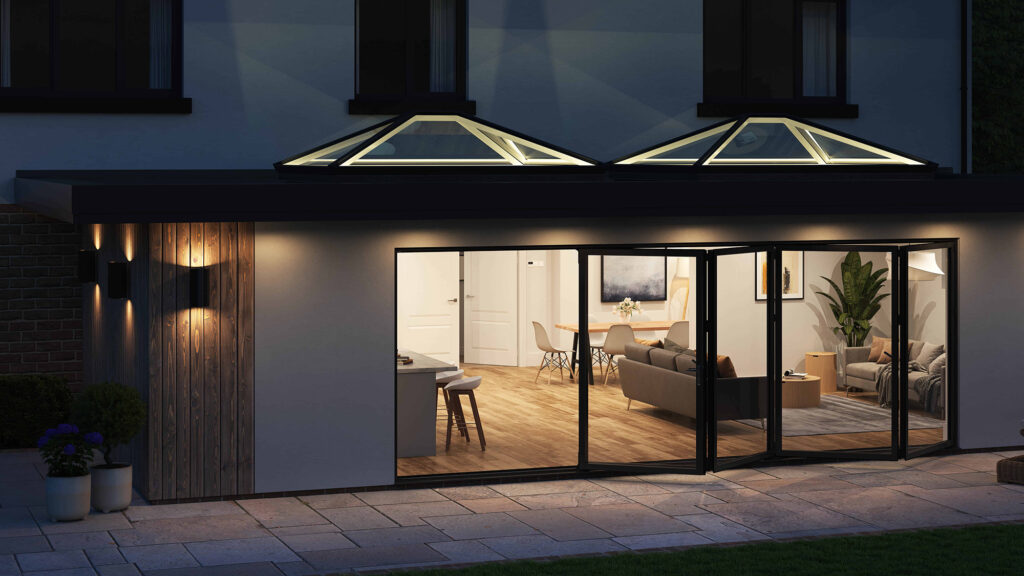
The main appeal is consistency. Aluminium tends to hold its appearance well and requires relatively little maintenance beyond routine cleaning. It also pairs neatly with other modern glazing products, such as slimline windows, bifold doors or rooflights, so the entrance feels part of a wider design scheme.
The trade-off is price. Aluminium is often a bigger initial investment than some alternative materials, but many buyers see the value in long-term performance and appearance.
Composite for balanced all-round performance
Composite front doors remain popular because they bring together style, security and thermal efficiency in a format that suits a wide range of homes. For many households, composite is the practical middle ground – more design-focused and substantial than a basic door option, but often more accessible on budget than a high-spec aluminium system.
Modern composite designs can work very well in contemporary settings, especially when paired with the right glazing and hardware. If the goal is a modern entrance without pushing too far into ultra-minimal design, composite can be a very sensible choice.
uPVC for cost-conscious projects
uPVC tends to suit tighter budgets, rental upgrades and projects where function comes first. There are modern-style uPVC doors available, but if your priority is a genuinely premium contemporary finish, aluminium or a better-specified composite door may offer a stronger result.
That does not mean uPVC should be dismissed. On the right property, with the right design, it can still deliver a neat and smart entrance. It simply depends on how far you want the front elevation to go visually.
Glazing, privacy and light need to work together
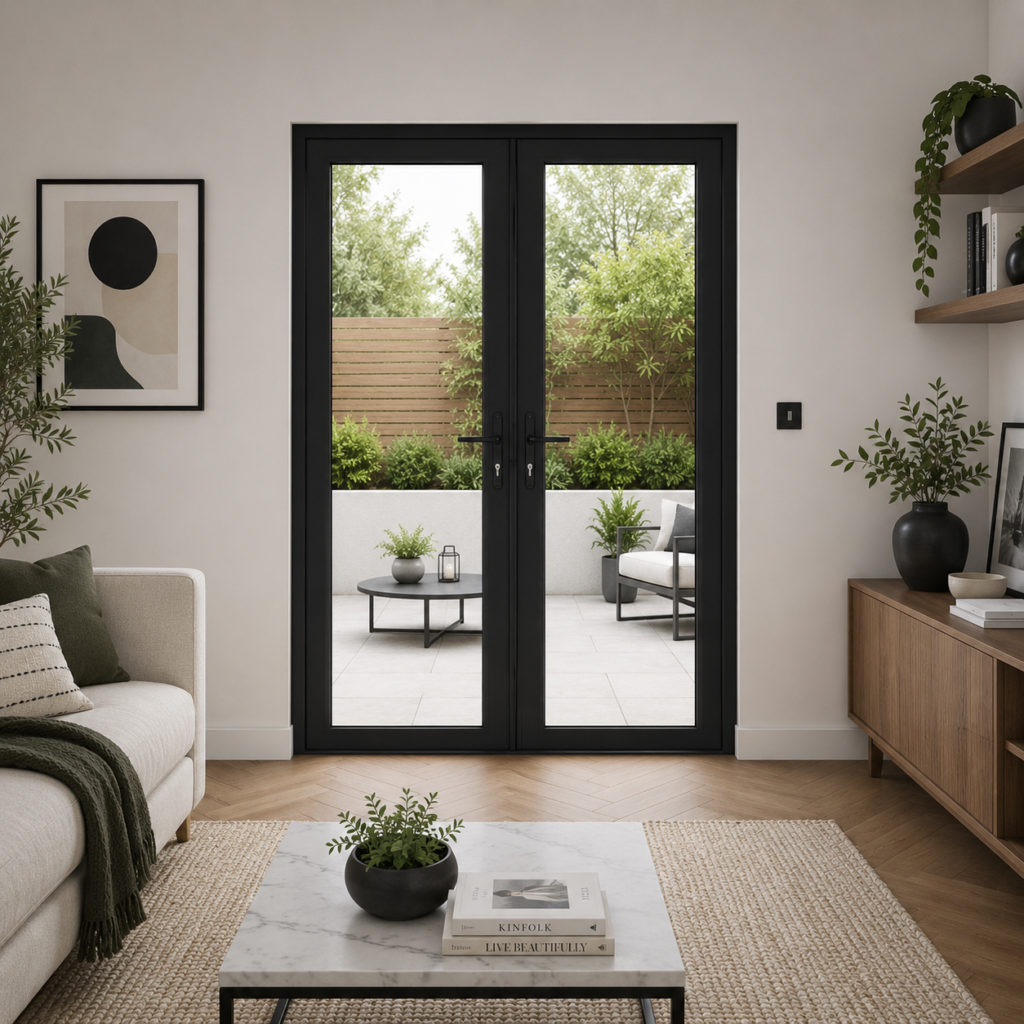
A lot of the appeal of contemporary entrance doors comes from glazing. It brings light into the hallway, breaks up solid panels and can make the entrance feel more open. But the right amount of glass depends entirely on the position of the home and how private the entrance needs to be.
For a recessed porch or a house set back from the road, larger glazed sections may work well. For homes opening straight onto a pavement or facing neighbouring properties, obscure or textured glazing is often the better option. You still gain natural light, but without making the interior feel exposed.
Side panels are also worth considering. A single glazed sidelight can transform a dark hallway and make the entrance look more substantial. On wider openings, a door with matching side glazing can create a striking, balanced façade. It is a simple change that often has a bigger effect than people expect.
Security should be built in, not added as an afterthought
A contemporary front door should feel solid, close cleanly and inspire confidence every day. The visual side matters, but security specification is what gives the product real value over time.
Look closely at the locking system, cylinder quality, hinge security and the overall construction of the door set, not just the door leaf. The frame, threshold and hardware all play a part in performance. A stylish handle and a modern finish count for little if the system behind them is not properly engineered.
For homeowners, this means fewer compromises between appearance and peace of mind. For installers and trade buyers, it means checking the technical details early so the product meets the needs of the project without causing delays later.
Thermal performance is a daily benefit
Front doors are used constantly, and poor thermal performance is quickly noticeable. Cold draughts in the hallway, uncomfortable entrance spaces and higher heat loss all affect how the home feels.
A well-specified contemporary door should help create a warmer, more stable entrance area, particularly in exposed UK weather conditions. This becomes even more important on homes with open-plan layouts, where the hallway feeds directly into the main living space.
The exact performance level you need may depend on the property. A new-build or major renovation may have stricter efficiency targets than a straightforward replacement project. Either way, asking about insulation values, weather sealing and threshold design is time well spent.
Colour and hardware shape the final result
The difference between an average modern front door and a really successful one often comes down to the finishing details. Colour is part of that, but so is hardware choice.
Anthracite grey remains a strong seller because it works across so many property types. Black can look sharper and more dramatic, especially against lighter brick or render. White gives a cleaner, softer feel, while bolder colours can bring personality without losing a modern edge if the rest of the elevation is kept simple.
Handles deserve just as much attention. Long bar handles create a stronger architectural look, while shorter lever designs can feel more understated and practical. The right choice depends on the scale of the door and the style of the home. Oversized hardware can look excellent on taller entrance doors, but may overpower smaller openings.
Buying contemporary front doors in the UK without getting lost in options
This is where many buyers stall. There are plenty of styles available, but not all are equal in specification, finish quality or customisation. The smart approach is to start with the property and your priorities, not just the most eye-catching design.
If your project is design-led, begin with the architectural style and the external colour palette. If performance matters most, narrow the choice by material, security and thermal targets first. If the entrance hall is dark, make glazing a priority. If the property is exposed to weather, focus on durability and finish.
For trade professionals, speed and clarity matter just as much as appearance. Access to technical information, reliable supply and practical support can make specification much easier, particularly across larger or repeat projects. For homeowners, the process should feel clear rather than overly technical. That is one reason suppliers with bespoke options and UK-based guidance are often the better route, especially for higher-value upgrades.
Horizon Windows and Doors reflects that approach well, combining design-led product choice with practical support for both homeowners and trade buyers who want confidence before ordering.
When a contemporary door may not be the right fit
Not every home needs the sharpest possible modern entrance. On some period properties, a softer heritage-inspired door can preserve more character while still improving performance. On others, a highly glazed design may simply be impractical because of privacy or security concerns.
That is not a failure of style. It is good specification. The best result is not always the most minimal or the most expensive option. It is the one that makes the property look better and work better every day.
If you are choosing between several designs, step back and look at the full elevation. The front door should relate to the windows, brickwork, render, porch and even the paving. When those elements feel connected, the entrance looks intentional rather than chosen in isolation.
A well-chosen front door does more than modernise the façade. It sets the tone for the whole home before anyone steps inside, and when the design and specification are right, that first impression keeps paying off long after installation day.