A new front door changes more than the view from the pavement. It affects heat loss, security, kerb appeal and how confidently your home stands up to daily use. Choosing between front door materials is therefore not simply a question of colour or price. The right choice depends on your property, priorities, budget and the level of maintenance you are happy to take on.
For a busy family home, a low-maintenance composite or uPVC door may be the sensible answer. For a contemporary extension or a design-led renovation, aluminium can create a sharper, more architectural finish. Timber remains hard to beat where period character matters. Each has a place, but they do not offer the same balance of performance, appearance and long-term care.
Front door materials at a glance
Composite, uPVC, aluminium and timber are the main materials used for residential entrance doors in the UK. All can be made secure and attractive when properly specified, but their construction is very different.
A good decision starts with the non-negotiables: the size and style of the opening, whether the property is exposed to weather, the desired level of glazing, security requirements and the overall look of the windows and exterior. Once these are clear, the material becomes much easier to narrow down.
Composite doors: the practical all-rounder
Composite doors are popular for good reason. Rather than relying on one material, they use a layered construction, commonly combining a solid or insulated core with durable outer skins and a reinforced frame. This gives them the substantial feel many homeowners want from a front door, without the routine maintenance associated with natural timber.
Their strong point is balance. A quality composite door can provide good thermal performance, reliable weather resistance, a broad choice of colours and traditional or modern panel designs. Woodgrain finishes make them suitable for many character properties, while smooth finishes and simple glazing layouts work well on newer homes.
Security should still be considered as a complete package, rather than assumed from the word ‘composite’. Check the locking system, cylinder specification, hinges, reinforced areas and glazing specification where fitted. The door is only as secure as its frame, hardware and installation.
Composite doors generally sit above standard uPVC doors in price, but can represent strong value where low maintenance, insulation and a solid appearance are all priorities. They are a particularly sensible option for homeowners replacing an ageing entrance door without changing the whole frontage.
uPVC doors: affordable, efficient and familiar
uPVC remains one of the most cost-effective front door materials. It is lightweight, weather-resistant and easy to maintain, usually requiring little more than occasional cleaning and sensible care of the moving parts. For rental properties, first-time buyers, straightforward replacements and cost-conscious renovation projects, it can be a practical choice.
Modern uPVC doors are a long way from the plain white designs people may remember. There are now coloured foils, wood-effect finishes, decorative glazing and panel options that can give a smarter, more considered result. That said, the visual range and premium feel may be more limited than a well-specified composite, aluminium or timber door.
The quality of the profile and reinforcement matters greatly. Cheaper doors can feel less rigid over time, particularly on larger or heavily used openings. If your entrance is exposed to strong sun, driving rain or frequent use, it is worth comparing the frame build, hardware and guarantee rather than choosing on headline price alone.
uPVC works best when value and everyday efficiency lead the brief. It may be less suited to a high-end contemporary scheme where slim sightlines and a refined finish are central to the design.
Aluminium doors: made for modern entrances
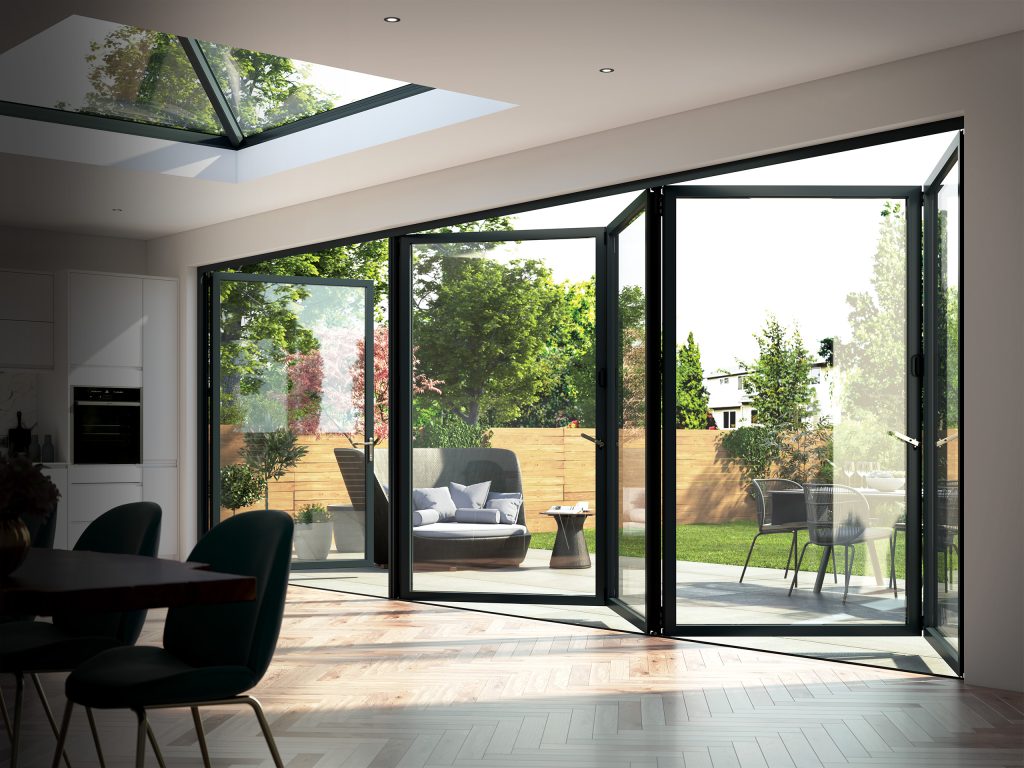
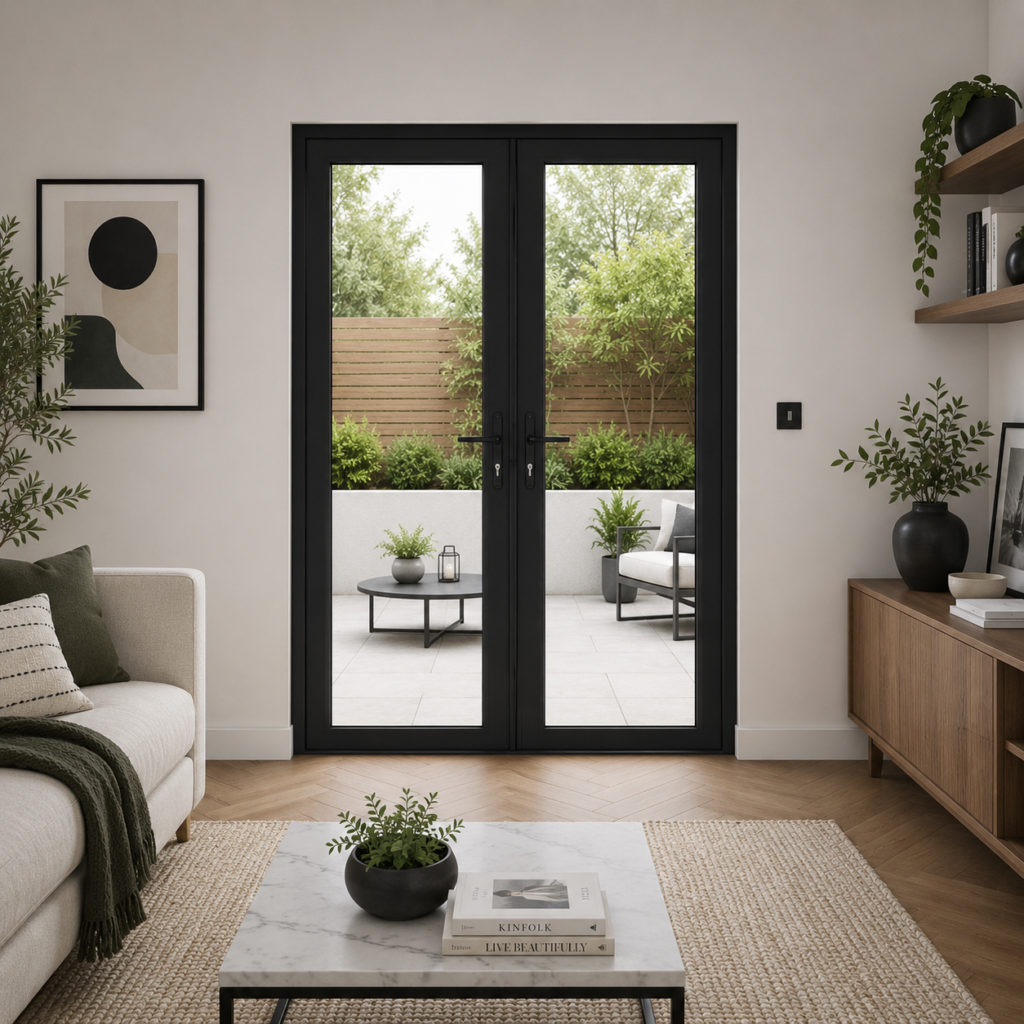
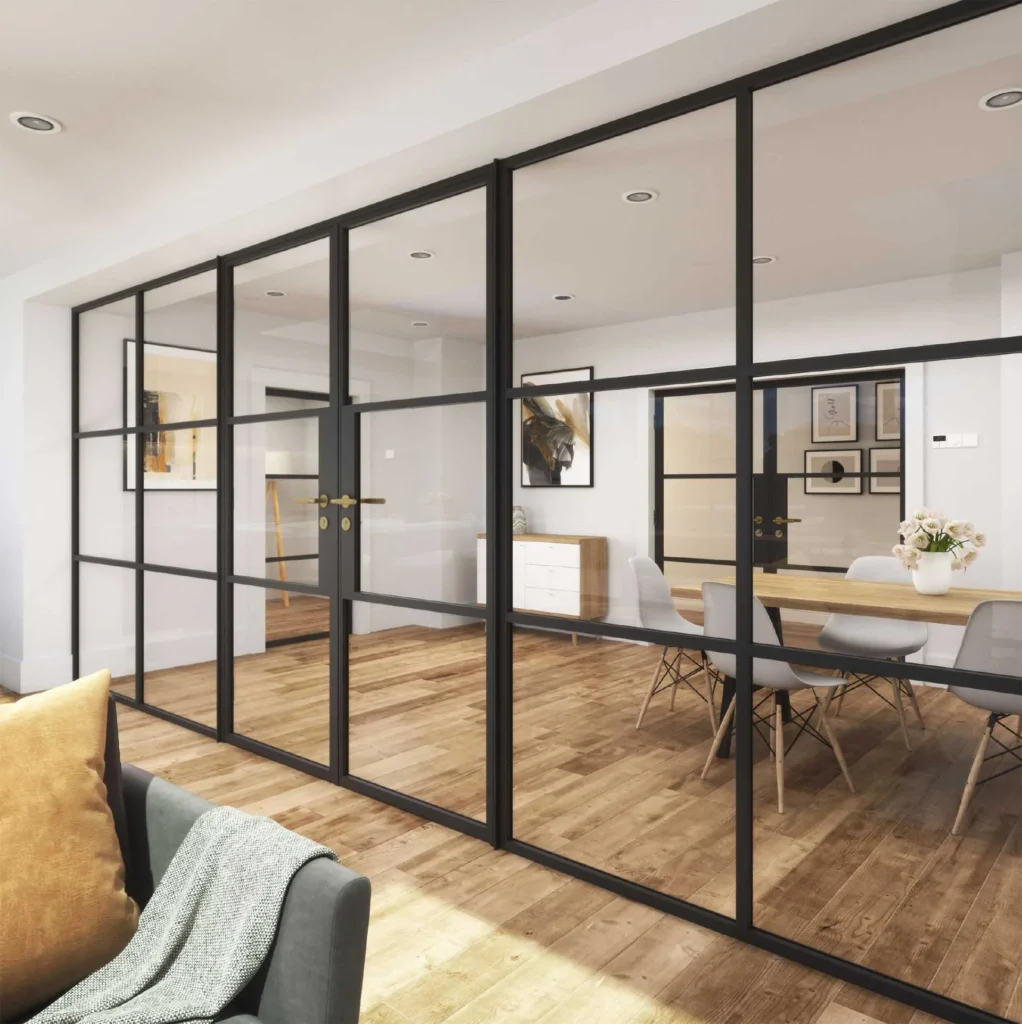
Aluminium front doors bring a crisp, premium appearance that suits modern homes, extensions and properties with aluminium windows, sliding doors or bifolds. The material is strong, allowing for slim profiles, larger door leaves and clean-lined designs that would be harder to achieve with other materials.
Powder-coated finishes are available in a wide range of colours, including popular anthracite grey, black and more distinctive architectural shades. The finish is durable and requires very little maintenance beyond cleaning, making aluminium appealing to homeowners who want a tailored look without regular repainting.
Thermal performance depends on the door’s insulated core, thermal break and overall system design. Aluminium itself conducts heat, so a thermally broken profile is essential for a comfortable, efficient entrance. When comparing quotations, look beyond the frame material and ask for the stated U-value of the complete door set.
Aluminium is usually one of the more expensive options, especially with bespoke sizes, sidelights, glazed panels or premium hardware. It is often worth the investment when the entrance is a key architectural feature or needs to coordinate with other premium glazed systems. For builders and installers, aluminium also offers a polished route to a consistent specification across a larger project.
Timber doors: character worth caring for
Nothing quite replicates the warmth and depth of real timber. A painted or stained timber front door can suit Victorian, Georgian, cottage and rural properties beautifully, while a carefully detailed contemporary timber design can feel equally at home on a modern build.
Timber is highly versatile for bespoke work. It can be shaped, glazed and finished to complement original details, making it a strong option where planning considerations or conservation-area character influence the choice. A well-made timber door also has a reassuring weight and presence.
The trade-off is maintenance. Paint and stain finishes need inspection and periodic renewal, particularly on south-facing or exposed elevations. Moisture management is also critical: quality construction, suitable coatings, correct drainage and careful installation all help reduce the risk of movement or surface deterioration.
This does not make timber an impractical choice. It simply makes it a choice for homeowners prepared to look after it. If your priority is authentic character and you are willing to maintain the finish, timber can be an excellent long-term investment. If you want a door to fit and largely forget, composite or aluminium may be a better fit.
What matters beyond the material
The material establishes the starting point, but several details determine whether a front door performs well in real life. Security hardware, glazing, thresholds, weather seals, hinges and installation quality all deserve attention.
For security, look for a tested locking arrangement and a suitable cylinder, especially where the door has letterplates, glazing or nearby access points. If you are specifying glazed panels or sidelights, choose safety glass and consider privacy as well as daylight. Obscure glass can brighten a dark hallway without putting the entrance on display.
Thermal performance is another area where the full door set matters. A well-insulated leaf can lose much of its advantage if the frame, threshold or fitting creates draughts. Ask for product data, including U-values, and ensure the door is suitable for the exposure of the site. A sheltered suburban porch has different demands from a coastal or open rural elevation.
Colour also deserves more thought than it often receives. Dark shades can look striking but show dust and fingerprints more readily. Pale colours can brighten a recessed entrance, while a bold finish can make a simple façade feel more individual. Coordinate the door with window frames, brickwork, render and external lighting for a result that feels intentional rather than added on.
How to choose the right material for your project
Start with the house, not the brochure. A traditional terrace may call for a timber-look composite or painted timber door, while a contemporary rear or side entrance may benefit from aluminium’s slimmer, cleaner styling. If you are replacing windows or adding glazing at the same time, matching frame colours and sightlines will make the whole project feel more considered.
Next, be realistic about maintenance and budget. uPVC is often the value choice; composite offers an effective middle ground; aluminium commands a premium for its appearance and strength; timber rewards ongoing care with genuine character. There is no universal winner because the right material depends on what you need it to do.
For bespoke sizes, unusual openings, sidelights or a coordinated renovation, it helps to review the technical specification before ordering. Horizon Windows and Doors can support homeowners and trade buyers with configurable options and practical UK-based guidance, helping turn a design idea into a door set that works on site.
The best front door should feel right every time you come home, but it should also work quietly in the background: keeping heat in, weather out and your entrance secure. Choose the material that supports both, and the improvement will be felt long after the first impression.