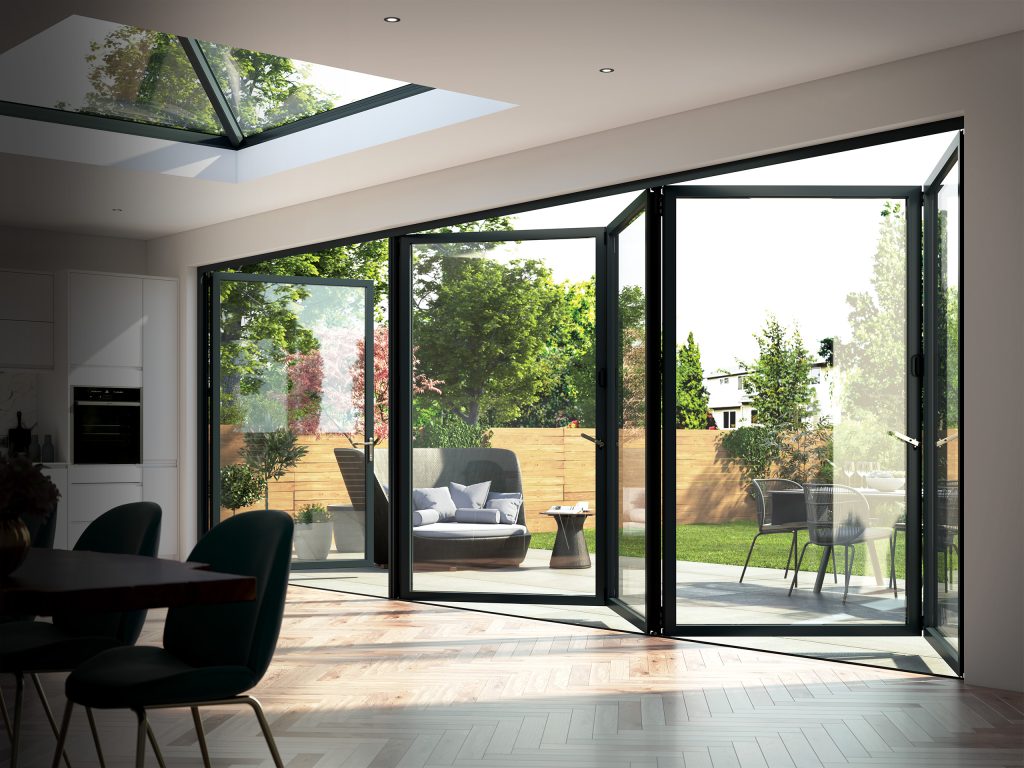


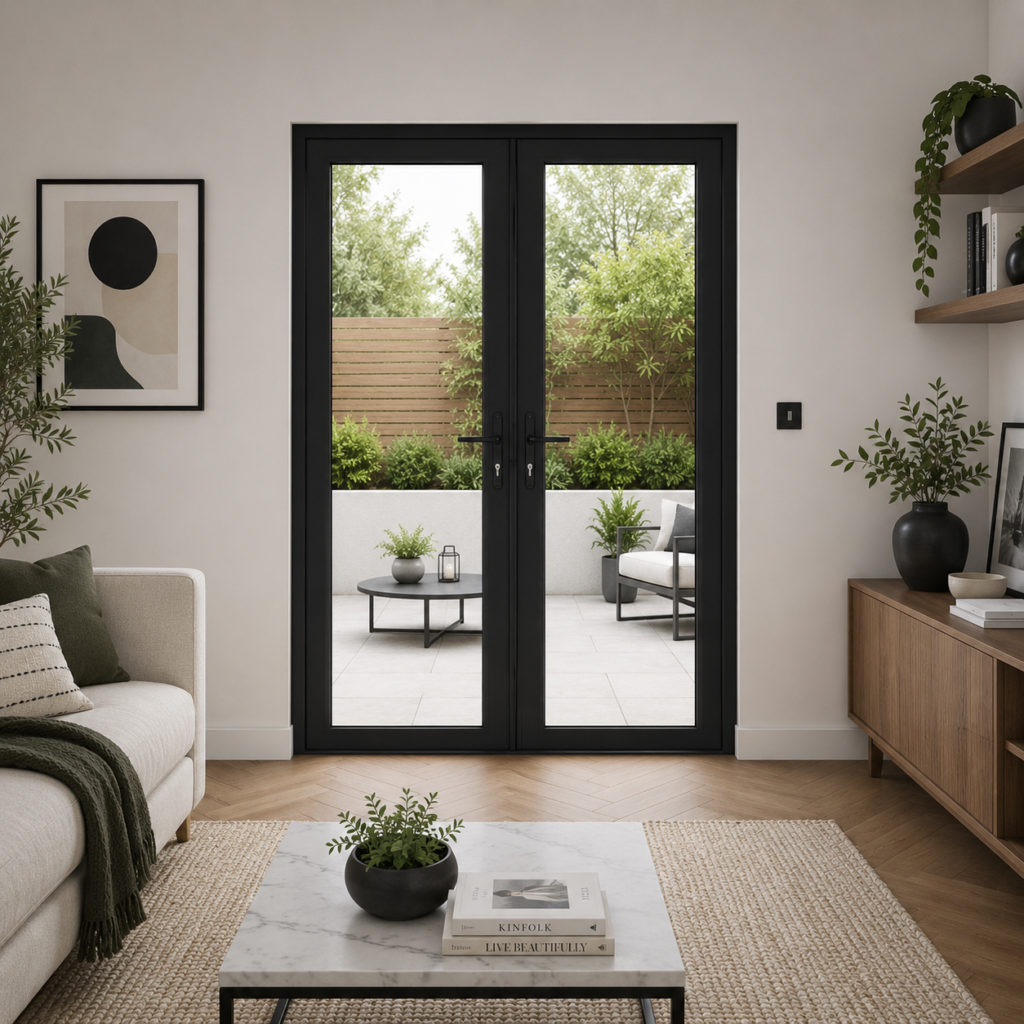
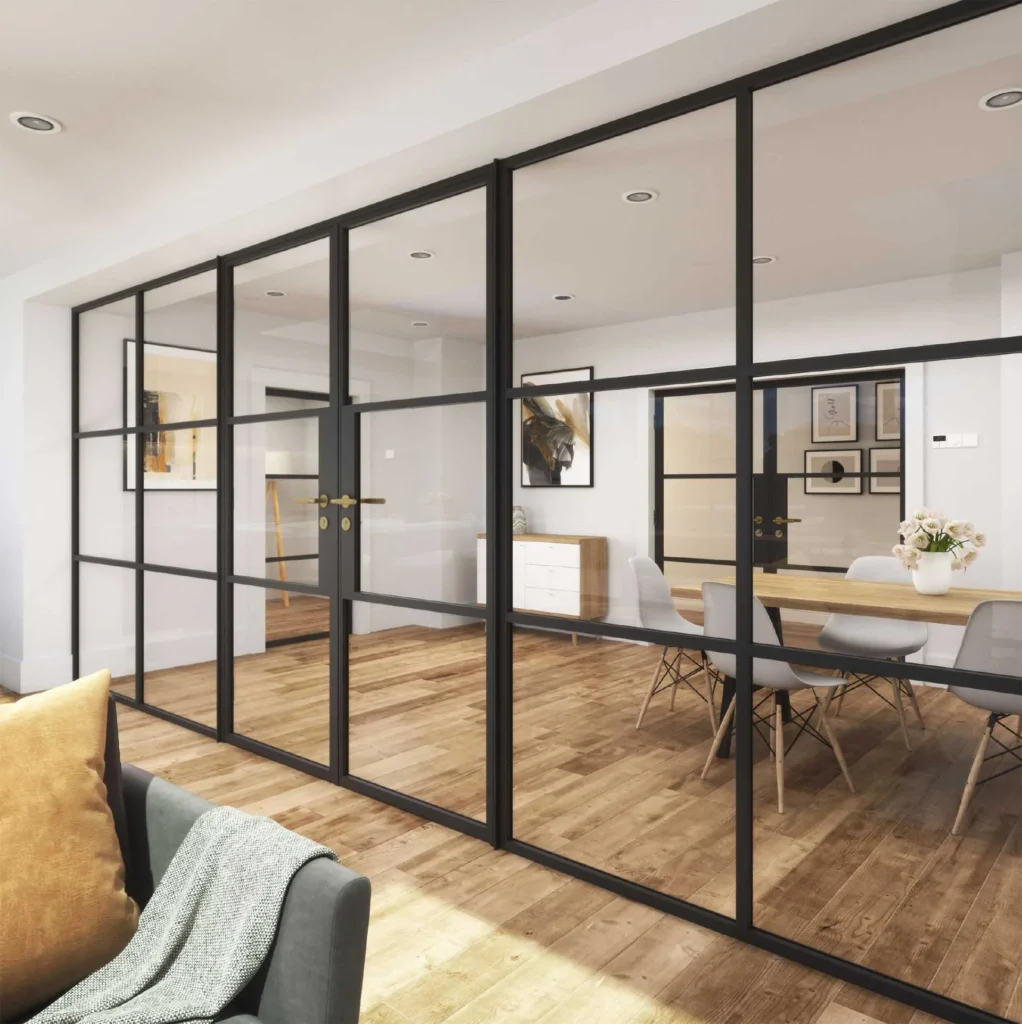
A large glazed extension can look exceptional on a bright winter morning, yet still feel chilly beside the doors if the glass is not specified well. So, what is low e glass? It is glazing with a near-invisible low-emissivity coating that helps retain heat indoors while managing the sun’s heat and ultraviolet energy. For homeowners and trade professionals, it is one of the key details behind a warmer, brighter and more comfortable glazed space.
What is low e glass and how does it work?
Low e stands for low emissivity. In simple terms, emissivity is a material’s tendency to release heat as radiant energy. Standard glass allows a significant amount of this heat transfer. Low e glass has a microscopically thin coating, usually made from metal oxides, applied to one face of the pane. The coating reflects a large proportion of long-wave heat back towards its source.
In a UK home during colder weather, that means heat from radiators, underfloor heating and occupants is reflected back into the room instead of escaping as readily through the glazing. The coating still allows visible daylight through, so the improvement does not mean sacrificing the open, light-filled feel that makes bifold doors, sliding doors and rooflights so appealing.
In double glazing, the coating is normally placed inside the sealed unit, often on the inner face of the outer pane. This protects it from weather and cleaning while allowing it to perform as intended. In triple glazing, the configuration may use more than one coated surface to improve insulation further.
It is not a tinted film
A common misconception is that low e glass is simply dark or reflective glass. While some high-performance solar-control coatings can create a subtle tint or external reflection, low e glass itself is usually very clear. It works at a level the eye barely notices, but which makes a meaningful difference to thermal performance.
The exact result depends on the type of coating selected, the number of panes, the cavity between them, the gas fill and the frame system. Glass is one part of the overall window or door specification, not a stand-alone answer.
Why low e glass matters in UK homes
Most modern replacement windows and glazed doors use low e glass as standard because it helps manufacturers achieve the thermal performance expected in new-build and renovation projects. For a homeowner, the practical benefits are felt every day rather than only on a specification sheet.
Better heat retention
The main advantage is a lower rate of heat loss through the glass. This can make rooms near large glazed areas feel more comfortable, especially in extensions, garden rooms and open-plan kitchens where expansive doors form a major part of the external wall.
Low e glass contributes to a lower U-value, which measures how quickly heat passes through a building element. Lower U-values are better. A high-performing sealed unit with low e coating, warm-edge spacer bars and an appropriate gas fill can outperform basic double glazing by a considerable margin.
This does not mean a home will instantly become cheap to heat. Insulation in walls, roofs and floors, air leakage, the size of the glazed area and the heating system all matter. However, choosing poor-performing glass for a large new opening can undermine the rest of an otherwise well-planned project.
More usable space beside the glazing
Cold internal glass surfaces can create a noticeable chill, even when the room thermostat says the temperature is comfortable. Low e glazing raises the internal pane temperature, reducing that cold-radiation effect. A dining table, sofa or workspace can therefore sit closer to the doors or windows without feeling like the least inviting part of the room.
This is particularly valuable with wide sliding doors, corner openings and roof glazing. These products maximise light and views, so it makes sense to ensure they support comfort throughout the year as well.
Reduced condensation risk
Condensation forms when warm, moisture-laden indoor air meets a cold surface. By helping the internal pane remain warmer, low e glass can reduce the chance of internal condensation forming on the glazing.
It cannot remove condensation in every situation. Drying clothes indoors, limited ventilation, high occupancy and unheated rooms can all raise humidity beyond what glazing alone can manage. Good extractor use, trickle ventilation where specified and sensible ventilation habits remain essential. If moisture appears between panes, that is different: it may indicate that the sealed unit has failed.
Daylight without unnecessary heat loss
Older glazing often presents a frustrating choice: enjoy a bright room but accept heat loss, or reduce window area and lose natural light. Low e coatings help narrow that compromise. You can retain the visual benefits of generous glazing while improving its insulating performance.
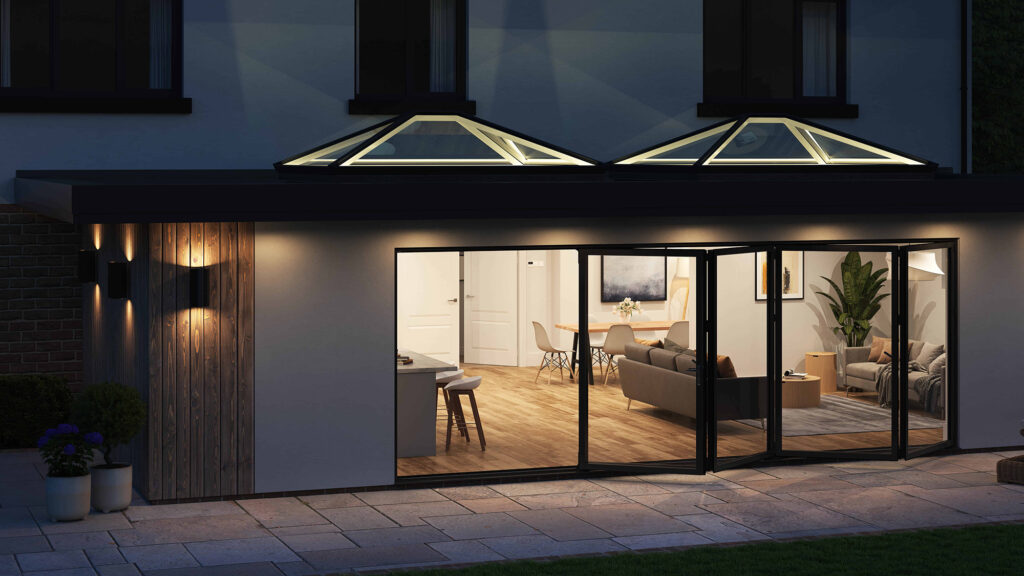
For renovation projects, this may also support more ambitious layouts. A roof lantern over a kitchen-diner, a set of aluminium bifolds to the garden or a picture window framing a view can be specified with greater confidence when the whole system is designed for thermal efficiency.
Low e glass versus solar-control glass
The terms are closely related, but they are not always interchangeable. Every solar-control glass product used in modern residential glazing may incorporate low e properties, yet not every low e unit provides strong solar control.
A standard low e coating is primarily selected to keep internal heat inside. Solar-control glass is designed to limit the amount of solar energy passing into the room, helping to reduce overheating and glare. It is often a sensible choice for south-facing or west-facing elevations, large rooflights and rooms with extensive glazing.
The trade-off is that stronger solar control can slightly reduce the amount of daylight entering the room and may alter the glass appearance. Depending on the product, it can look more neutral, subtly blue-grey or more reflective from outside. The best option depends on orientation, shading, room use and the area of glass.
Roof glazing needs extra consideration
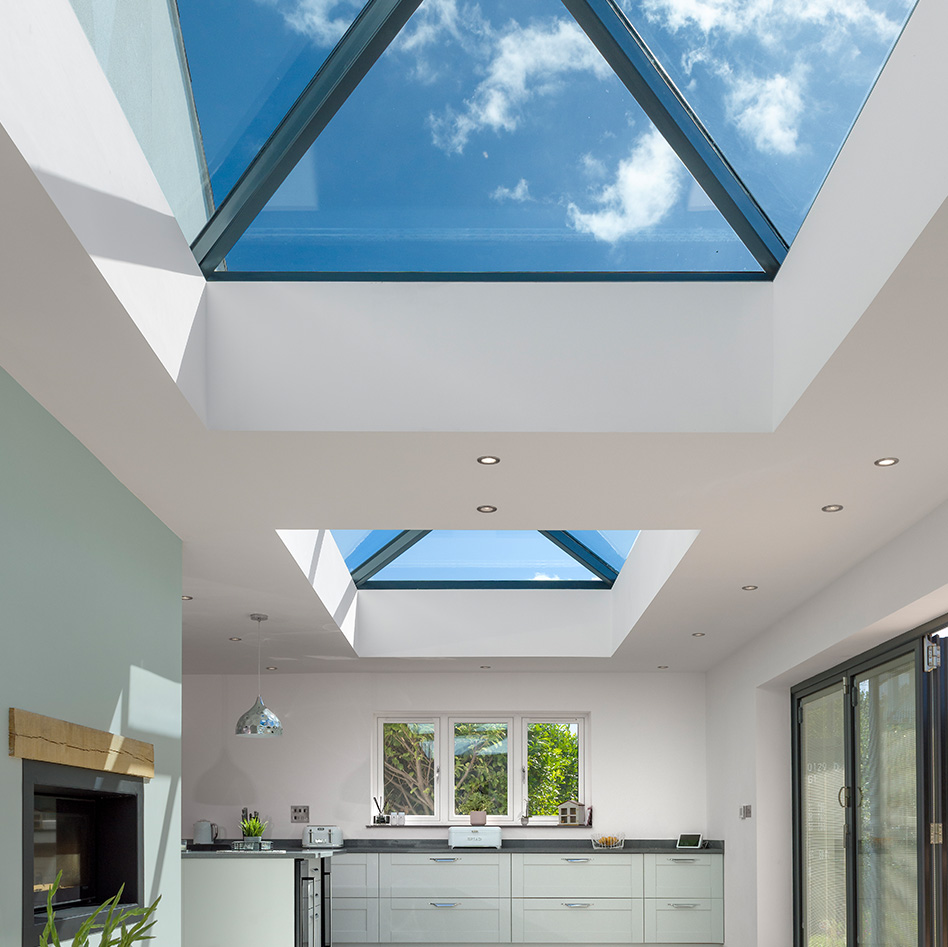
Sunlight through a rooflight arrives at a more direct angle than sunlight through a vertical window. As a result, a glazed roof can gain a lot of heat in summer, even if it is highly insulated in winter. For roof lanterns, flat rooflights and large roof windows, a solar-control low e specification is frequently worth considering.
A north-facing rooflight may prioritise maximum daylight and insulation. A large south-facing lantern above a kitchen with cooking appliances may need a more balanced solution that restricts solar gain. Blinds can assist with glare and privacy, but they do not prevent heat from entering the glass in the first place.
What to look for when comparing glazing
When comparing window, door or rooflight quotes, it is easy to focus on frame colour, opening style and headline price. Those choices matter, but ask for the glazing specification too. The phrase “double glazed” is not enough to reveal how a unit will perform.
Check the stated U-value and confirm whether it applies to the glass centre pane, the sealed unit or the complete window or door. Whole-product U-values are generally more useful because frames, spacers and installation details affect real-world performance.
Also consider the solar factor, sometimes shown as g-value. A higher g-value allows more solar heat into the room, which can be useful on a cold, shaded elevation but less desirable in a highly glazed south-facing extension. Visible light transmittance indicates how much natural light passes through. There is no universally best number – the right balance is specific to the project.
For trade customers, ensure the quoted specification aligns with drawings, Building Regulations requirements and any thermal calculations for the scheme. For homeowners, a supplier should be able to explain the figures in plain English and help avoid paying for a performance level that does not suit the room.
Is low e glass worth it?
For most modern UK glazing projects, low e glass is not an extravagant upgrade. It is a practical baseline for thermally efficient windows, doors and roof glazing. Its value becomes even clearer as the glazed area increases: the more glass a room has, the more its performance influences comfort.
That said, the coating cannot compensate for a poorly installed frame, inadequate insulation around an opening or inappropriate ventilation. It should form part of a complete specification that considers product design, glass build-up, orientation and how the space will be used.
When planning new bifolds, sliding doors, replacement windows or a rooflight, choose the glass with the same care as the frame. A well-specified low e unit helps you maximise light and space while keeping the room inviting long after the first reveal of the finished project.