| Feature | uPVC Windows | Aluminium Windows |
| Cost | More budget-friendly | Premium, 30–50% higher |
| Thermal Efficiency | Excellent with multi-chambered frames | Excellent with thermal break technology |
| Design & Aesthetics | Thicker frames, many colours & woodgrains | Slim frames, modern look, large glass area, powder-coated colours |
| Durability | 20–30 years, may yellow over time | 40–50+ years, highly robust |
| Maintenance | Very low, wipe-clean | Very low, powder-coated finish |
| Security | Excellent, multi-point locking | Excellent, very strong frames |
Cost & Overall Value of uPVC vs Aluminium Windows
uPVC Windows: Cost-effective and ideal for homeowners on a budget or large-scale projects. Manufactured efficiently, uPVC windows offer excellent performance at a lower upfront price.
Aluminium Windows: Aluminium frames are a premium product, with higher material and manufacturing costs. However, their exceptional lifespan of 40–50+ years makes them a long-term investment—you may never need replacements again.
Verdict: uPVC wins for upfront affordability; aluminium excels for long-term value.
Thermal Efficiency & Warmth: uPVC vs Aluminium Windows
Energy efficiency is crucial for modern UK homes.
uPVC: Naturally insulating, uPVC prevents heat transfer and, combined with multi-chambered frame designs, achieves A+ energy ratings. Ideal for keeping your home warm and reducing heating bills.
Aluminium: Previously less energy-efficient, modern aluminium frames now feature thermal breaks—non-conductive strips that prevent heat loss—making them comparable to uPVC in energy performance.
Verdict: Both uPVC and aluminium now offer excellent thermal efficiency.
Design & Aesthetics: uPVC vs Aluminium Windows
uPVC: Provides classic charm with wider frames. Available in a variety of colours and woodgrain finishes (e.g., Irish Oak, Anthracite Grey). Best suited to traditional homes.
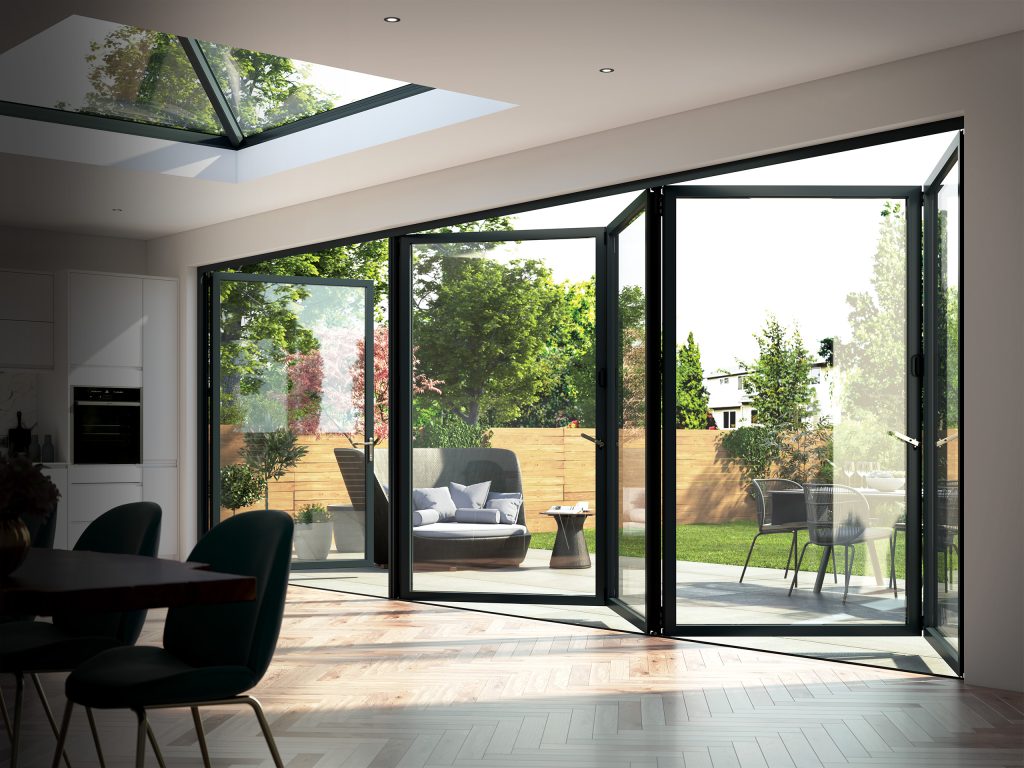
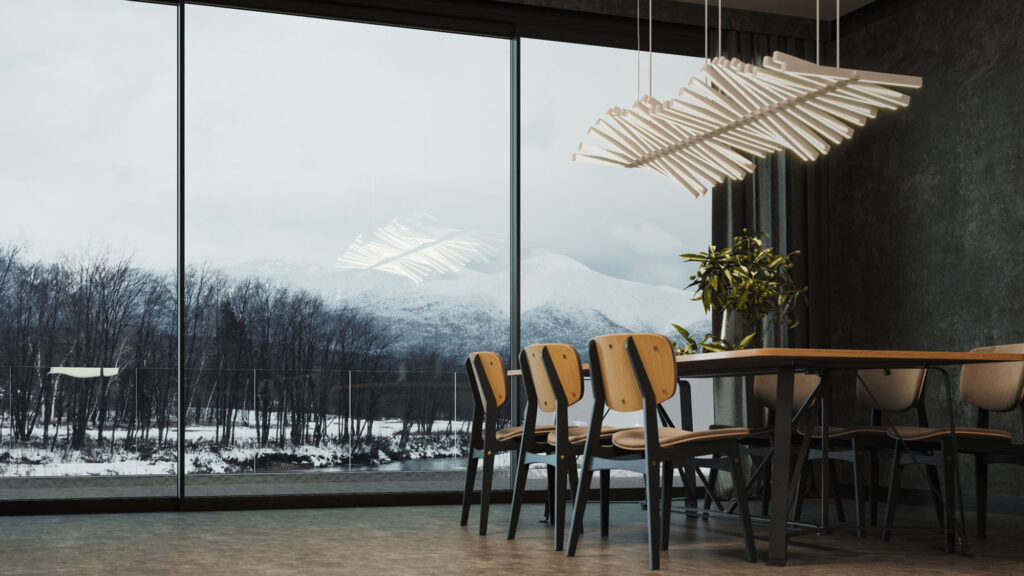
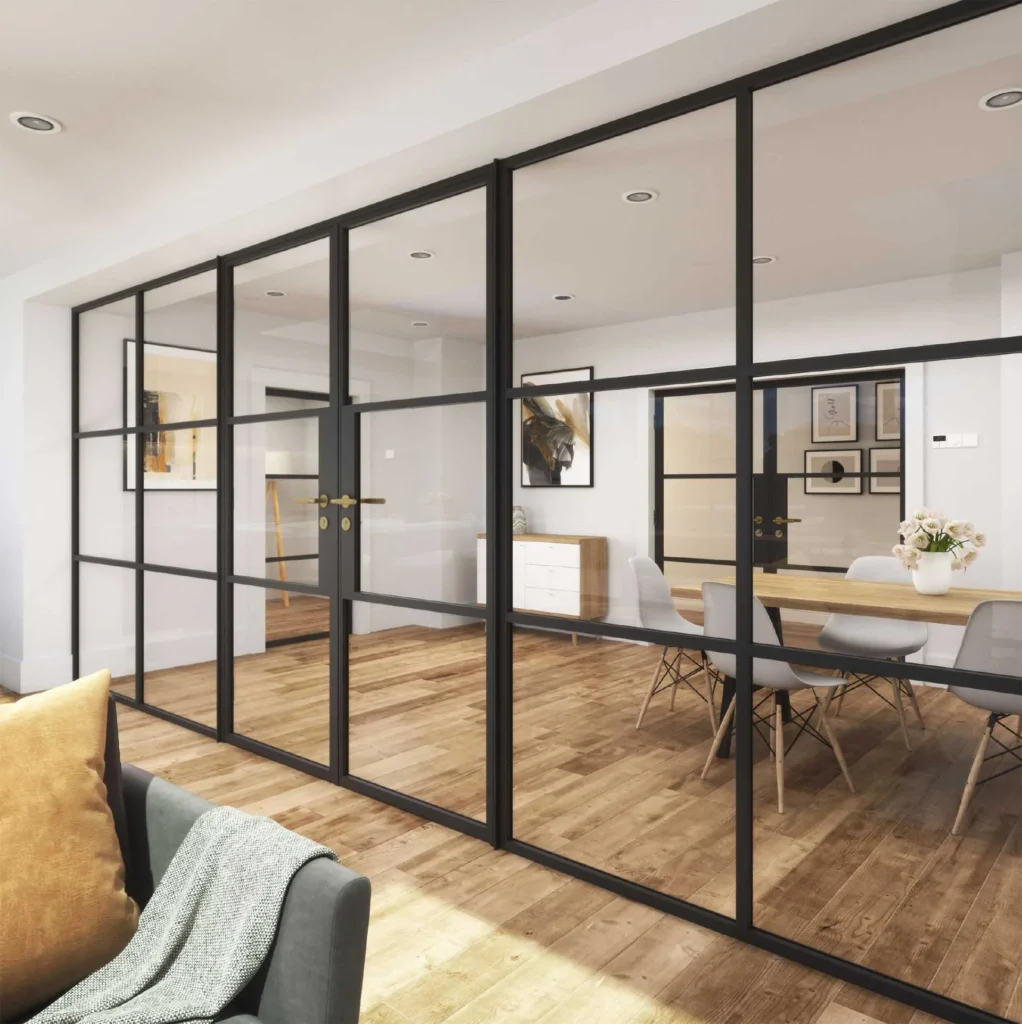
Aluminium: Slimline frames allow for larger glass areas, creating a modern, sleek aesthetic. Fully powder-coated in any RAL colour, aluminium windows are perfect for contemporary homes, extensions, and properties with premium views.
Verdict: Aluminium leads for modern design and flexibility.
Durability & Lifespan
uPVC: Lasts 20–30 years, resistant to rot and weathering. White frames may yellow slightly over decades.
Aluminium: Exceptionally robust, powder-coated aluminium can endure 40–50+ years without warping, rusting, or fading.
Verdict: Aluminium clearly wins for longevity.
Maintenance
Both uPVC and aluminium windows require minimal upkeep. A simple wipe-down keeps frames looking new for years.
Verdict: Tie. Both options are low-maintenance.
Which Window Material Is Right for You?
Choose uPVC if:
- Budget is a priority
- You want excellent thermal efficiency at a lower cost
- Your home suits a classic look (white or woodgrain)
- You want a low-maintenance, reliable window
Choose Aluminium if:
- You prefer a modern aesthetic with slim frames
- Maximum glass area and natural light is important
- You want a bespoke colour finish
- You’re investing in a “forever home” and need durability
Other Types of Windows
Choosing the Right Style for Your Home
Beyond choosing between uPVC or aluminium, the style of your window plays a huge role in functionality, aesthetics, and natural light. Here’s a guide to some popular window types in the UK and why you might choose them:
Aluminium or uPVC Casement Windows
Description: Hinged at the side, casement windows open outward like a door.
Benefits:
- Excellent ventilation – they catch breezes and direct airflow into the room.
- Easy to clean from inside.
- Compatible with both traditional and modern designs.
Best For: Homes where airflow, practicality, and classic looks are priorities.
Aluminium or uPVC Tilt and Turn Windows
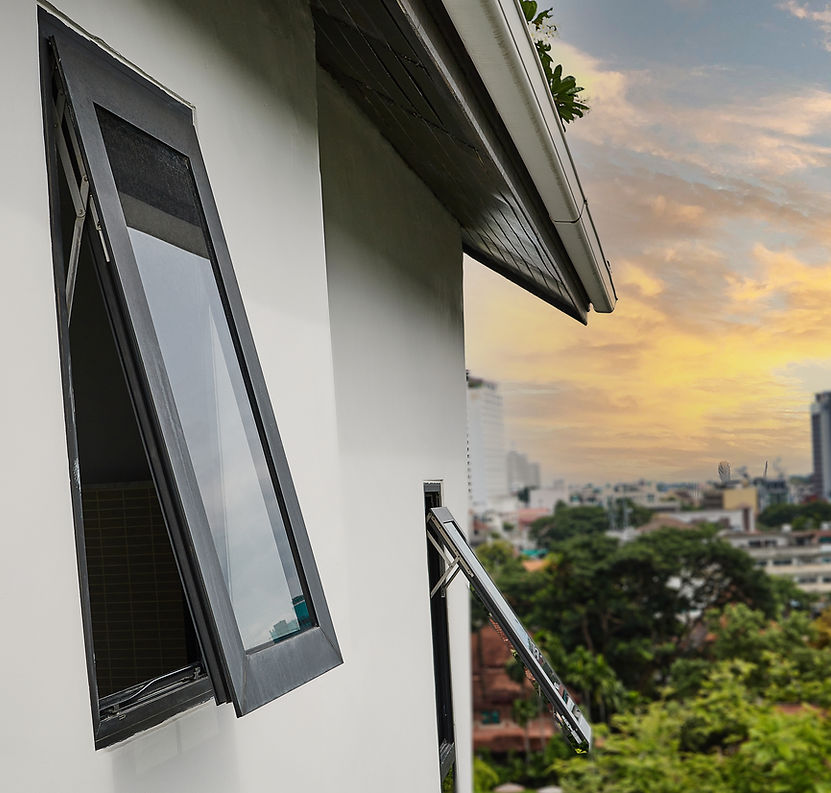
Description: Dual-function windows that tilt inwards at the top for ventilation or swing fully inwards for cleaning and emergency exit.
Benefits:
- Safe and versatile ventilation.
- Easy maintenance – perfect for high-rise or hard-to-reach windows.
- Ideal for secure, modern homes with a contemporary design.
Best For: Modern apartments, family homes, or properties where safety and flexibility matter.
Aluminium or uPVC Sliding Sash Windows
Description: Traditional vertically sliding windows, often associated with Georgian and Victorian architecture.
Benefits:
- Timeless, heritage look that suits period properties.
- Easy to operate and maintain with modern balances and mechanisms.
- Can be fitted in both uPVC and aluminium frames.
Best For: Listed buildings, conservation areas, or anyone wanting a classic style with modern efficiency.
Aluminium or uPVC Flush Windows
Description: Frames sit flush with the wall for a clean, seamless appearance, mimicking traditional timber windows.
Benefits:
- Modern, minimalist aesthetic.
- Slim sightlines for maximum glass area.
- Great for both contemporary and traditional properties when using aluminium or uPVC.
Best For: Contemporary homes, extensions, or properties where a sleek, understated look is desired.
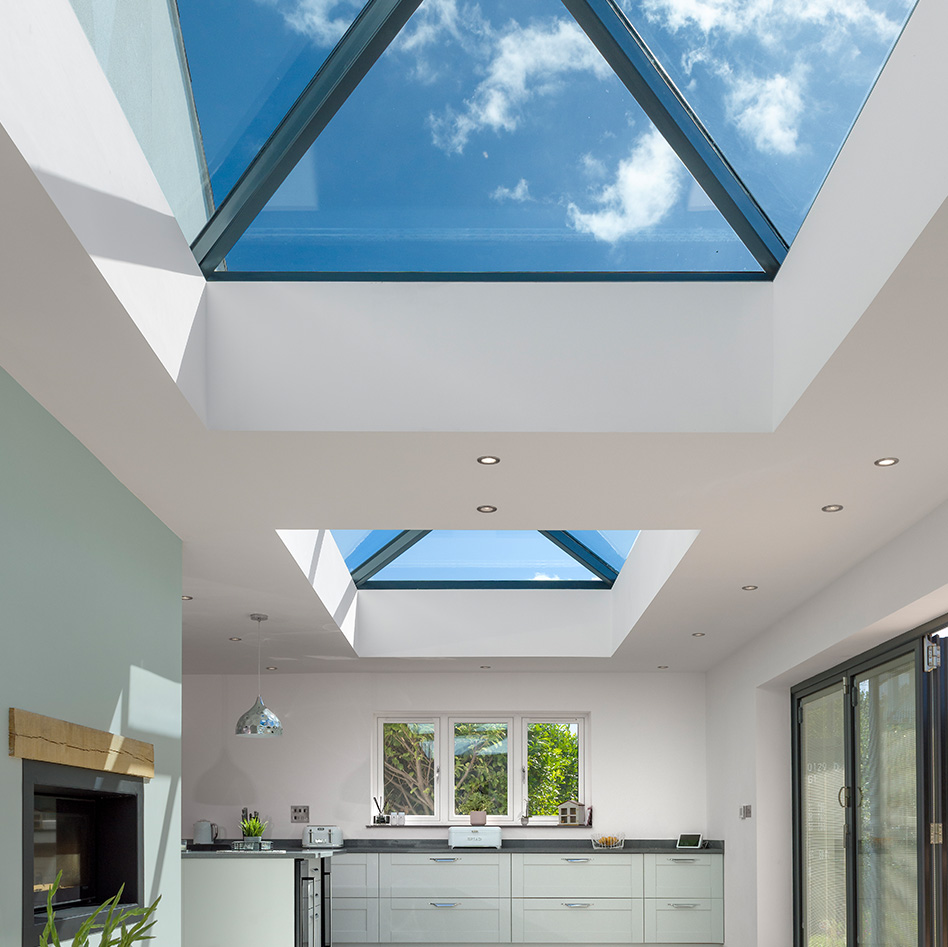
Roof Windows (Skylights)
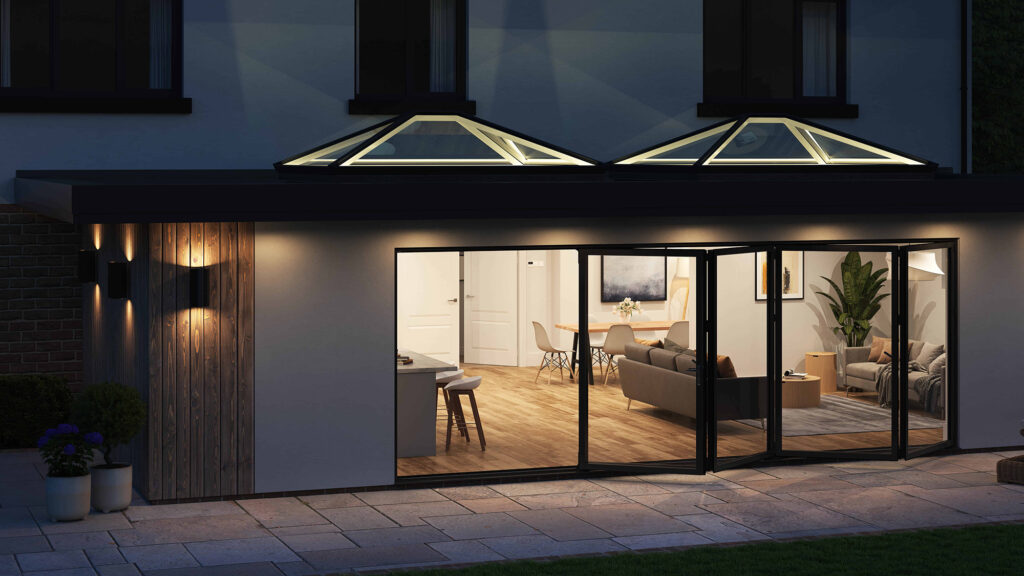
Description: Installed in sloped or flat roofs, these windows bring natural light into lofts, attics, or extensions.
Benefits:
- Floods interior spaces with daylight.
- Ideal for creating a sense of height and space in low-light rooms.
- Available in energy-efficient double or triple glazing.
Best For: Lofts, attic conversions, kitchens, or open-plan extensions where extra light is needed.
Choosing the Right Window Style:
- For maximum natural light: roof windows, flush windows, or aluminium casements.
- For period charm: sliding sash windows.
- For versatility and ventilation: tilt and turn or casement windows.
- For modern, minimalist interiors: flush or slimline aluminium frames.
Pairing the right window material (uPVC or aluminium) with the right style ensures your home not only looks great but also stays warm, secure, and low-maintenance.