 Nationwide delivery
 Bespoke Sizes
 Price Match Guarantee
 Pay Later with Klarna
Introduction: Rising Costs Hit the Heart of the Fenestration Industry
The global window and door industry—particularly the market for bifold doors, aluminium windows, aluminium sliding doors, and roof lanterns—is currently facing unprecedented cost pressure.
Aluminium, the backbone of modern glazing systems, has seen dramatic price increases driven by a combination of:
- Geopolitical instability, including the ongoing Iran conflict
- Rising energy and raw material costs
- Ongoing global supply chain disruptions
For manufacturers, fabricators, and installers of aluminium bifold doors, slimline sliding doors, and contemporary roof lantern systems, this is no longer just a pricing issue—it is a structural shift that is reshaping the way the entire industry operates.
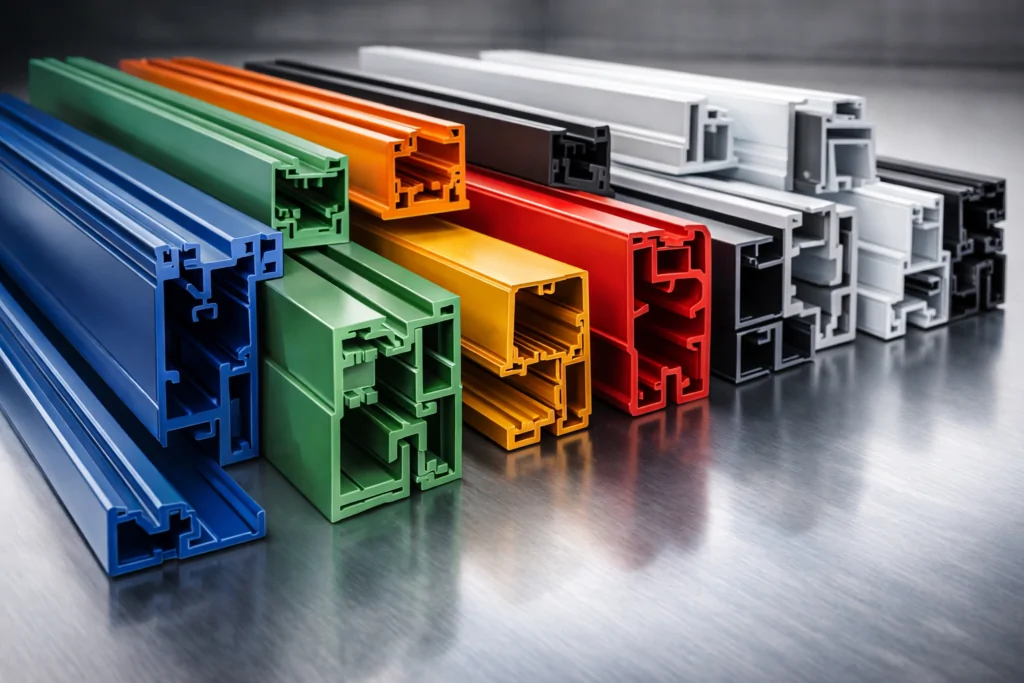
1. Why Aluminium Is Critical for Bifold Doors and Sliding Systems
Aluminium has firmly established as the dominant material in modern fenestration, particularly across:
- Aluminium bifold doors – widely used in residential extensions and open-plan living spaces
- Aluminium sliding doors – especially slimline, large-span, and panoramic systems
- Aluminium windows – including casement, tilt & turn, and flush sash designs
- Roof lanterns – essential for flat roof glazing and architectural light solutions
Key Benefits Driving Demand
The continued growth in demand for aluminium systems is driven by several key advantages:
- Exceptional strength for large glass panels (ideal for bifold and sliding doors)
- Ultra-slim sightlines for modern architectural aesthetics
- Long lifespan with minimal maintenance requirements
- Excellent thermal performance when combined with modern glazing technologies
The rise of open-plan living has further accelerated demand for:
- Large-span bifold doors connecting indoor and outdoor spaces
- Ultra-slim aluminium sliding patio doors
- Statement roof lanterns that maximise natural light
However, all these systems rely heavily on aluminium extrusion—making them highly vulnerable to price volatility.
2. Aluminium Price Trends and Their Impact on Products
Price Movement Snapshot
| Year | Aluminium Price Trend | Impact on Products |
|---|---|---|
| 2024 | Stable | Competitive pricing for bifold doors |
| 2025 | Moderate increase | Gradual rise in aluminium window costs |
| 2026 | Sharp spike | Significant price increases across all product categories |
Product-Level Impact
- Bifold doors: Frame costs have increased by approximately 15–25%
- Aluminium windows: Rising extrusion and production costs
- Sliding doors: Most impacted due to higher aluminium content per unit
- Roof lanterns: Structural aluminium components driving cost increases
Among these, aluminium sliding doors and bifold doors are particularly exposed due to their heavy reliance on structural aluminium profiles.
3. The Iran Conflict: A Major Disruptor to Aluminium Supply
The geopolitical situation involving Iran has had a direct and immediate impact on global aluminium supply chains.
Key Effects on the Industry
- Reduced aluminium exports from the Middle East
- Disruptions to shipping routes and logistics
- Increased costs for aluminium billets used in extrusion
For manufacturers of aluminium windows, bifold doors, and sliding doors, this results in:
- Extended lead times for materials
- Reduced availability of key components
- Ongoing price instability
This uncertainty is now a defining feature of the market.
4. Raw Materials: The Foundation of Aluminium Systems
Every aluminium bifold door, sliding door, or roof lantern begins with a multi-stage production process:
- Bauxite – extracted from mines
- Alumina – refined intermediate product
- Aluminium – smelted into usable metal
Current Challenges in Raw Materials
- Limited global supply of alumina
- Increasing costs of mining and refining
- Growing demand from major economies
These challenges create a ripple effect across:
- Aluminium extrusion manufacturers
- Window and door fabricators
- Installation and construction timelines
5. Energy Costs: The Hidden Multiplier
Aluminium production is one of the most energy-intensive industrial processes.
Why Energy Costs Matter
Energy prices directly affect:
- Aluminium smelting and extrusion
- Powder coating and finishing processes
- Overall production costs of bifold doors and sliding doors
With global energy prices rising:
- Manufacturing costs increase significantly
- European and UK-based producers face intense pressure
- Competitiveness is reduced compared to lower-cost regions
6. Additional Cost Pressures Across the Industry
Beyond aluminium itself, several other cost factors are impacting the sector:
1. Transport and Logistics
- Rising shipping and freight costs
- Delays in delivery of aluminium profiles and components
2. Labour Costs
- Shortage of skilled fabricators and installers
- Ongoing wage inflation
3. Glass and Hardware
- Increased costs for double and triple glazing
- Rising prices for hinges, rollers, and locking systems used in bifold and sliding doors
7. Full Cost Breakdown: Aluminium Door and Window Systems
Typical Aluminium Bifold Door Cost Structure
| Component | % Cost | Trend |
|---|---|---|
| Aluminium frame | 40% | ↑↑ |
| Glass | 20% | ↑ |
| Hardware | 15% | ↑ |
| Labour | 10% | ↑ |
| Transport | 10% | ↑↑ |
| Overheads | 5% | ↑ |
This clearly shows that aluminium remains the single largest cost driver in bifold doors and sliding door systems.
8. Impact on Key Product Categories
Aluminium Bifold Doors
- Significant price increases due to high aluminium usage
- Growing price sensitivity among homeowners
- Increasing lead times
Aluminium Sliding Doors
- Premium systems most heavily impacted
- Higher aluminium content drives costs up
- Still in strong demand due to design appeal
Aluminium Windows
- More stable but steadily increasing in price
- Continued demand for energy-efficient solutions
Roof Lanterns
- Aluminium structural components increasing costs
- Still popular in extensions but becoming more premium
9. Market Response: How the Industry Is Adapting
Manufacturers
- Increasing use of recycled aluminium
- Introducing dynamic pricing strategies
- Diversifying supplier networks
Fabricators
- Reducing quotation validity periods
- Holding more stock to mitigate supply risks
Installers
- Managing customer expectations around pricing
- Offering alternative materials where appropriate
10. Customer Trends and Buying Behaviour
Shifting Preferences
- Some homeowners switching from bifold doors to sliding doors
- Increased interest in uPVC alternatives
- More budget-conscious purchasing decisions
However, despite rising costs:
- Aluminium bifold doors and sliding doors remain highly desirable
- Aesthetic appeal and performance continue to drive demand
11. Opportunities in a Challenging Market
Even in a volatile environment, opportunities exist:
1. Premium Product Positioning
High-end aluminium sliding doors and roof lanterns continue to perform strongly.
2. Energy Efficiency Demand
Customers are prioritising:
- Thermal performance
- Long-term energy savings
3. Sustainability and Recycling
Recycled aluminium offers:
- Lower environmental impact
- Reduced production costs
- Strong marketing advantages
12. Future Outlook for Aluminium Windows and Doors
Short-Term (2026)
- Continued volatility in aluminium pricing
- Ongoing supply chain disruption
Medium-Term (2027–2028)
- Potential stabilisation if geopolitical tensions ease
- Increased reliance on recycled materials
Long-Term Outlook
- Aluminium remains the dominant material in windows and doors
- Continued innovation in bifold doors, sliding doors, and roof lantern systems
- Greater focus on sustainability and efficiency
Conclusion
The surge in aluminium prices—driven by global conflict, raw material shortages, and rising energy costs—is fundamentally reshaping the market for bifold doors, aluminium windows, aluminium sliding doors, and roof lanterns.
For businesses in the fenestration industry:
- Pricing strategies must evolve
- Supply chains must become more resilient
- Flexibility and adaptability are now essential
While the challenges are significant, the long-term outlook remains strong. Aluminium continues to offer unmatched performance, design flexibility, and durability—ensuring its place at the centre of the modern window and door industry.